


Wednesday 18/February/2026 – 11:48 PM
Indicates leg pain, cramps, or coldness Feet This leads to clogged leg arteries, not just fatigue, and health experts have warned that poor blood circulation is affecting even young people who do not exercise regularly.
Early signs, such as cold extremities, pain when walking, skin changes, and tingling or numbness, indicate peripheral arterial disease, which is a serious condition related to heart health and requires immediate medical attention. The following are warning signs of clogged leg arteries that should not be ignored, according to what was published in Times Now.
How does high cholesterol contribute to peripheral arterial disease?
High cholesterol leads to the accumulation of plaque in the arteries, which narrows them and reduces blood flow. This may cause symptoms such as pain in the legs and cold feet, which are symptoms that indicate peripheral arterial disease, so controlling cholesterol levels through diet and exercise is crucial to preventing this disease and its complications.
Coldness in one leg
According to health experts, if you constantly feel that one of your feet or legs is colder than the other, this may indicate poor blood circulation. It is one of the early warning signs of poor blood circulation. This especially happens when exposed to low temperatures. Your feet become cold, and may even become white. Blood transports warmth to all parts of the body, and when it does not reach the feet enough, the temperature drops, and then the feet become cold.
Feeling constant pain in the legs
If leg pain only appears when walking and disappears when you stop, it may be because the muscles need more oxygen while walking. Pain, cramps, and even a feeling of heaviness in the legs while moving, especially when climbing stairs, are among the early and most common symptoms of peripheral arterial disease. Clogged arteries prevent warm, oxygen-rich blood from reaching the tissues properly.
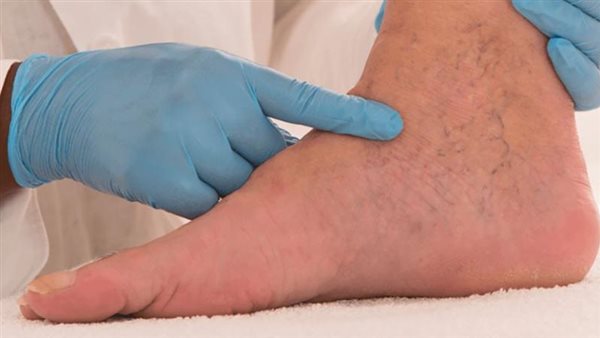
Skin changes and inflammation appear
Blocked arteries can also appear as visible changes in your legs or feet, with blue or shiny skin, decreased hair growth on your legs, and changes in your toenails, all of which reflect what is happening inside your blood vessels.