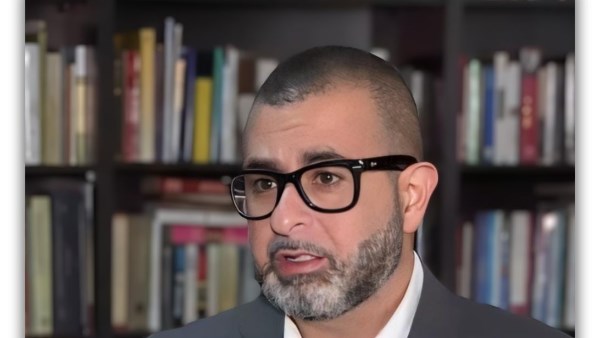
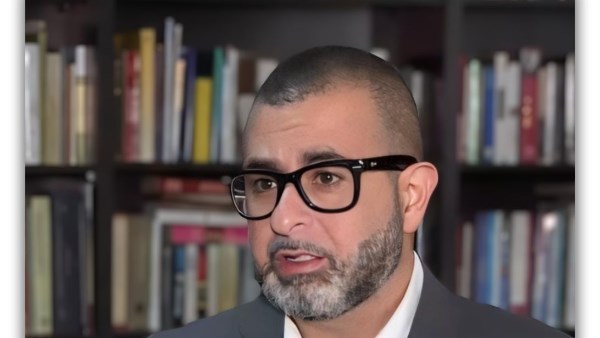
Dimitri Diliani, a member of the Revolutionary Council of the Fatah movement and spokesman for the Democratic Reform Movement, confirmed that the economic structure in the occupied West Bank is subject to forced restructuring due to the policies of the Israeli genocidal state on the joints of trade, movement and revenues, which makes the official local and international statistics direct evidence of the nature of the Israeli colonial hegemony imposed on our national economy.
The Fathawi leader stated that the monthly data issued by the Palestinian Central Bureau of Statistics for the month of February of last year recorded a trade deficit of $471.2 million, as exports amounted to $138.1 million compared to $609.3 million in imports, an increase of 31 percent compared to the same period of the previous year. He explained that this imbalance reflects complete Israeli control over the crossings, clearing revenues, and supply chains, which entrenches a permanent structural imbalance in the Palestinian trade balance.
Diliani pointed out that preventing more than 150,000 Palestinian workers from the occupied West Bank from reaching their workplaces within the Green Line since the start of the Israeli war of genocide on Gaza in October 2023 led to an increase in unemployment rates in the following year to about 35 percent, according to central census data, while UNCTAD reports issued during the past year documented a decline in the per capita share of gross domestic product to levels close to what it was at the beginning of the third millennium, in a direct reflection of the economic contraction. Accelerated.
Diliani pointed out that the United Nations Office for the Coordination of Humanitarian Affairs documented in its periodic reports issued in early 2026 the presence of 849 obstacles to movement in the West Bank, including 94 permanent military checkpoints, 153 partial checkpoints, 205 iron gates, 101 complete or partial street closures, 180 dirt berms, and 116 cement block barriers, which deepens the disruption of movement. Palestinian territories, disrupting agriculture and industry, and restricting the movement of workers and goods.
The spokesman for the Democratic Reform Movement in the Fatah movement stressed that addressing this reality requires reconsidering the restrictions imposed under the Paris Economic Protocol and presenting this politically as a national priority, liberation from Israeli control over movement, restoring clearing revenues, and activating international legal and economic paths to confront the policies of closure and restriction, given that economic liberation constitutes a fundamental pillar of the national liberation project and building independent and sustainable Palestinian development.