


With long hours of fasting and lack of fluid intake, the risk of dehydration during Ramadan becomes real, especially on hot days or when exerting great physical effort. Although Feeling thirsty It is normal during fasting, but there are signs of dehydration in Ramadan that must be paid close attention to so that it does not develop into a serious health problem.
Signs of dehydration in Ramadan
Dr. Abdul Rahman Shams, a nutrition expert, revealed, through special statements to Sada El Balad, the symptoms of dehydration, the difference between simple and serious dehydration, and when to worry and seek medical help.
What is dehydration and why does it occur in Ramadan?
Dehydration occurs when the body loses more fluid than it takes in. During Ramadan, the fasting person abstains from drinking water for long hours, and if fluids are not adequately replaced between iftar and suhoor, the body begins to show signs of water deficiency.
Eating salty foods or drinks containing caffeine also increases fluid loss, which increases the risk of dehydration.
Signs of mild dehydration in Ramadan
These symptoms are common and can be easily dealt with if noticed early
- Extreme thirst and dry mouth
- Mild or moderate headache
- Feeling tired and lethargic
- Slight dizziness when standing
- Less urination or urine color changing to dark yellow
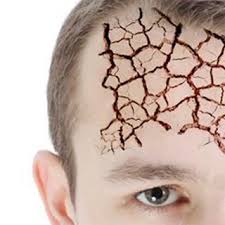
Dryness of lips and skin
When these signs appear, the cause is often only fluid deficiency, and it can be avoided by drinking a sufficient amount of water after breakfast and regulating nutrition.
Signs of severe dehydration and when to worry
In some cases, dehydration may develop into a more serious stage, and here you should be concerned and take quick action
- Severe dizziness or fainting
- Accelerated heartbeat
- Blurred vision
- A very strong, unbearable headache
- Confusion or difficulty concentrating
- Not urinating for a very long time
- Low blood pressure
If these symptoms appear, especially among the elderly or those with diabetes or high blood pressure, the fast should be broken immediately and drink fluids. If the symptoms persist, a doctor should be consulted.
Groups most vulnerable to dehydration during Ramadan
Some people are more susceptible to signs of dehydration in Ramadan, such as:
- the elderly
- Diabetics
- Blood pressure patients
- Pregnant and breastfeeding women
- Those who work in hot places or under the sun
They should be more careful to monitor their bodies and consult a doctor before fasting if they have chronic health conditions.
How do you protect yourself from dehydration during Ramadan?
To prevent dehydration, follow these simple tips
- Drink water regularly from iftar until suhoor and do not wait to feel thirsty
- Distribute the amount of water over several periods instead of drinking it all at once
- Eat vegetables and fruits rich in water, such as cucumber and watermelon
- Limit pickles and salty foods
- Reduce coffee and soft drinks
- Make sure your suhoor contains fiber and protein to reduce fluid loss
Does every thirst mean dehydration?

Not necessarily. Thirst is a normal feeling during fasting, but dehydration may be accompanied by other symptoms such as severe dizziness, discolored urine, or unusual fatigue. The primary difference is the severity of symptoms and their impact on the ability to perform daily activities






