


Monday 13 April 2026 – 06:27 PM
The Chamber of Textile Industries, headed by Mohamed Al-Kateb, praised the decision Minister of Industry, Engineer Khaled Hashemregarding reorganizing licenses for establishing and operating industrial activities outside industrial zones, stressing that it represents a practical and necessary solution to the conditions of many existing factories, especially within residential blocks.
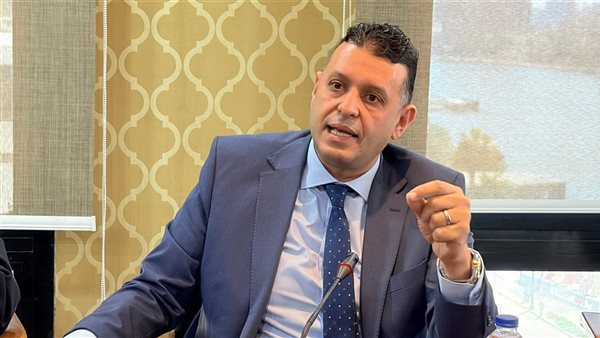
Mohamed El-Kateb, head of the Chamber of Textile Industries, said in a press statement today that the Chamber appreciates the decision, especially since it reflects an accurate understanding of the nature of the industrial sector in Egypt, especially the textile industry, which has historically spread within overlapping residential and industrial areas, such as Mahalla al-Kubra, Idko, Shubra al-Kheima, Ain Shams, and Gesr al-Suez.
Reorganizing licenses to establish and operate industrial activities
He added: This decision came at a very important time. Because it balances imposing discipline on industrial activity, and preserving existing productive capacities that cannot be sacrificed.
The head of the Chamber explained that the most prominent feature of the decision is the increase in the number of activities permitted within urban estates from 17 to 65 activities, which opens the door to legalizing the conditions of a large number of factories, especially small and medium-sized ones, that have been operating for years within residential blocks.
He pointed out that continuing to operate with existing licenses and allowing expansion within the same facility represents an important safety element for investors, and gives them the ability to develop production lines and raise efficiency without going through the burdens of transfer or re-establishment at the present time.
He stressed that the decision must be supplemented by a parallel plan to offer attached industrial lands, allowing a gradual and orderly transfer of capable factories, explaining that: The solution is not in closure or forced transfer, but in providing real alternatives that help voluntary transfer according to the capabilities of each factory.
He revealed that the Chamber of Textile Industries was one of the parties most demanding a reconsideration of this file, as it submitted many memorandums and held multiple meetings with officials from the Ministry of Industry and the government, stressing that the decision reflects a clear response to the demands of the sector.
He added that the decision directly contributes to maintaining production continuity and protecting workers associated with these factories, especially in areas that depend economically on these activities.
At the end of his speech, the writer said: We are facing a balanced decision that supports the industry without disrupting the regulation, and most importantly, it preserves the existing factories and ensures the preservation of the workers in them as well.