
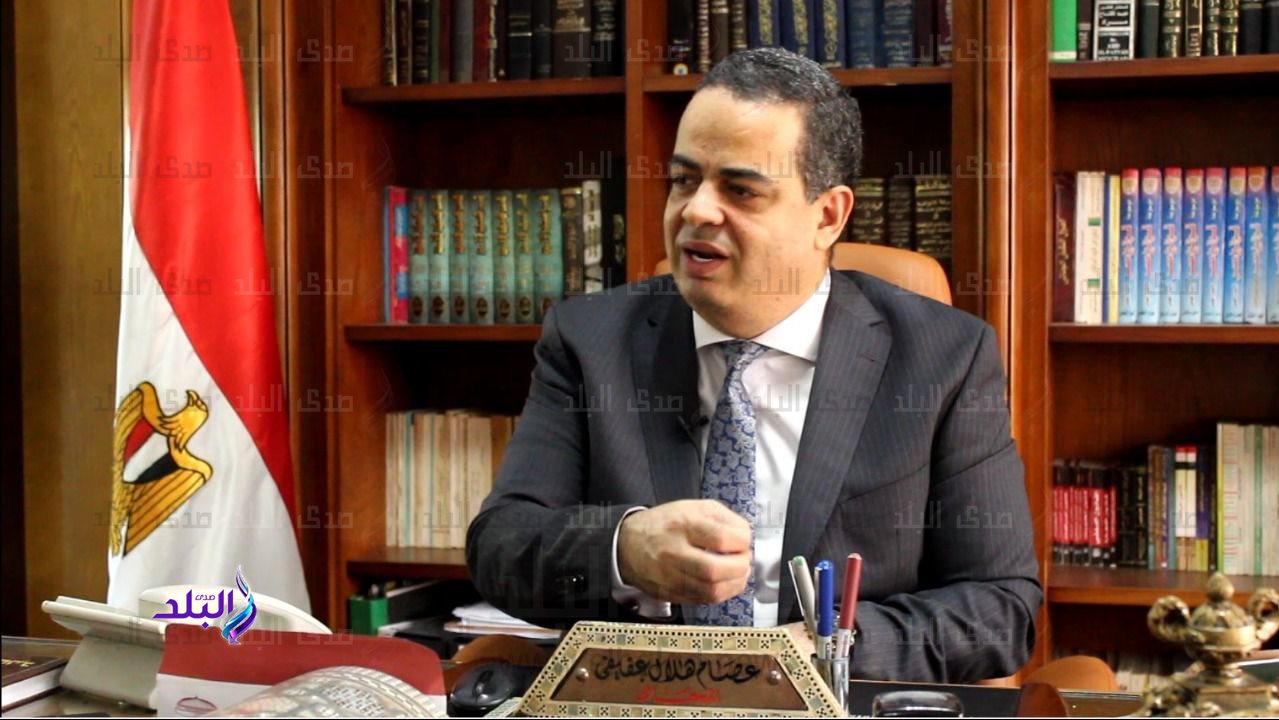
Issam Afifi to Sada El Balad:
- We need to hold local elections as soon as possible, as a constitutional entitlement was absent from 2011
- The issue of local administration cannot be reduced to popular council elections
- The future of our nation is ready for the local elections, and we are the only party whose formations are widespread throughout the republic
- The concept of opposition and loyalty differed between the political forces and the future of a nation that opposed the government in favor of the citizen
- The region is going through a restructuring phase, and Egypt is maintaining a delicate balance without being drawn into military confrontations
- The government is at a new beginning after the cabinet reshuffle, and we are confident in its performance in the next stage
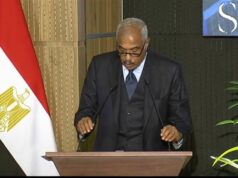
Representative Issam Hilal Afifi, a member of the Senate and Assistant Secretary of the Mostaqbal Watan Party, confirmed that the current stage requires focusing on strengthening the role of local councils in political and administrative life, noting that the last local elections took place in 2008 before they were dissolved in 2011, and since then no local popular elections have been held.
He added in his interview with Sada El Balad website that local councils are not just elections, but rather an essential part of the local administration law that regulates various administrative and executive aspects in Egypt, including local jobs, the formation of geographical units, and the nature of the relationship between the executive branch and the popular councils, stressing that the importance of these councils extends to political, economic and social life.
He pointed out the readiness of the Mostaqbal Watan Party to run in the local elections, stressing that the party has party cadres spread throughout the republic, capable of actually participating in community work within the local popular councils, and not just running for elections.
He explained that the party relies in its political position on the interest of the state and the citizen, explaining that their concept of opposition and loyalty revolves around supporting any project that serves the public good and objecting to what conflicts with it. He also touched on the regional situation and the current economic challenges, stressing that Egypt seeks to maintain its balance and the stability of its institutions in light of the region’s crises and complications.
And the text of the dialogue:
How do you see the necessity of holding local elections at the present time?
We have gone beyond talking about the importance of local councils because the last local elections were in 2008 and were dissolved in 2011, and since then there have been no local popular councils.
The popular councils are not just elections. They are part of the large local administration law, which contains 3 or 4 articles directly for the councils, but it includes more than 300 articles that regulate the administrative process in Egypt, whether in terms of centralization or decentralization, defining local jobs, electing or appointing the governor, the powers of executive officials, the formation of geographic units, and the nature of the relationship between the executive branch and the local popular councils.
Therefore, the law should not be reduced to talking about elections only, as its importance extends to the political, economic, social and executive life of local councils.
Is the Mostaqbal Watan Party ready to run in the local elections?
Of course, we are ready. We have party cadres on the ground and we are the only party that has formations in all villages and regions of the Republic, with more than 7,000 party units and formations in 367 departments and centers.
I am not only preparing these cadres for the elections, but they are also capable of performing their role as members of local popular councils and actually contributing to community work.
How does the party view the concept of opposition and loyalty? When will we see the future of a nation that opposes the government?
The concept of opposition and loyalty varies between political forces, but the basic criterion for us is the interest of the state and the Egyptian citizen. If we look at the Parliament’s minutes, we will find that the Mostaqbal Watan Party rejected some draft laws, and relied only on projects that are compatible with the citizen’s interest.
I believe that this approach exists in all political entities. The reason for this is due to the text governing the formation of the government, which is that the President of the Republic is the one who names the Prime Minister and chooses the government and presents it to Parliament and approves it or not.
According to the constitutional controls on forming the government, the government does not belong to a specific party, so we have no sensitivity regarding support or opposition.
Therefore, the concept of opposition and loyalty before all parties depends on one basis, which is the interest of the state and the citizen.
We are a party that is considered supportive, but we object to anything that conflicts with the interests of the state and the citizen.
How do you evaluate the current regional situation and its impact on Egypt?
The region is currently going through a clear restructuring phase, with open conflicts, border tensions, economic crises and great pressures, along with accelerating shifts in the map of regional alliances.
The scene from Sudan to Libya and from Gaza to the Red Sea files reflects a complex and intertwined picture, as each file carries direct or indirect effects on the surrounding countries. Egypt, by virtue of its geographical location and political weight, always remains at the heart of developments, but it is keen to maintain a delicate balance, not being drawn into direct confrontations and not allowing a security vacuum on its borders.
This approach appears in the management of vital files such as the Libyan crisis, developments in Gaza, and the security of navigation in the Red Sea, as the state moves cautiously and responsibly at the same time.
What is your assessment of the current economic challenges?
Economic challenges are present and pressing, and cannot be denied, but preserving the state and its institutions represents a top priority, especially with the collapse of institutions witnessed by some neighboring countries and the resulting high cost of rebuilding.
How do you evaluate the performance of Parliament?
Parliament has a pivotal role in the next stage, especially in supporting investment and stimulating the private sector, expanding the umbrella of social protection for the most needy groups, developing the local administration system, and completing the course of economic and legislative reforms in a way that achieves a balance between sustainable development and protecting the rights of citizens, and enhances the stability of the Egyptian state and its democratic path.
What is the basic message from Mostaqbal Watan to citizens at this stage?
I tell them that evaluating any political experience is linked to each citizen’s vision of his priorities. There are those who place security and stability at the forefront, while others see the need to give economic and political reform more space.
It is certain that the region is going through a very sensitive phase, and any country that maintains its balance and is able to stand steadfastly amidst these challenges will achieve a great achievement, and preserving state institutions and preventing a slide into chaos represents an important achievement in this turbulent regional climate.