

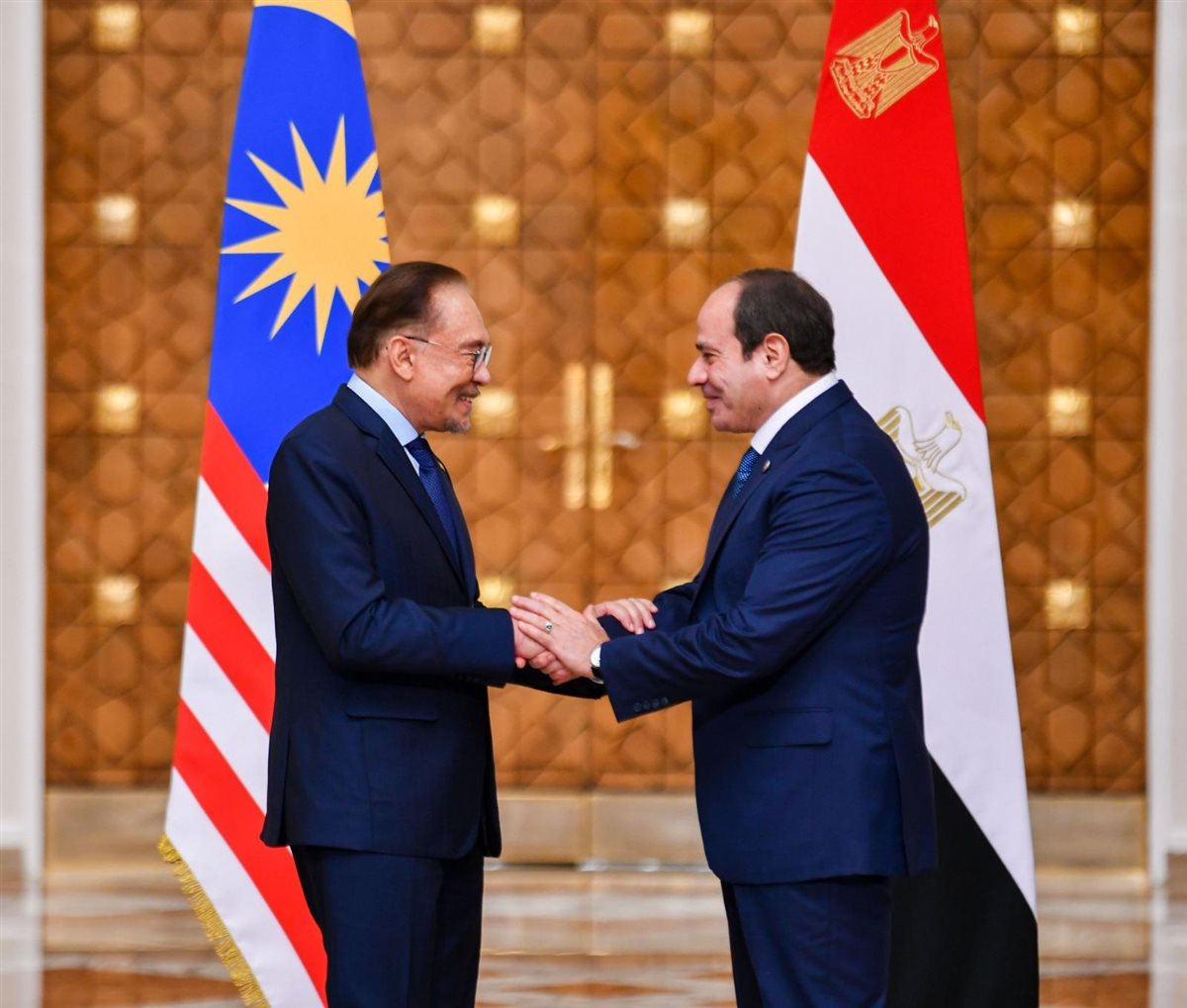
A window of opportunity for partnership and twinning looms on the horizon, especially after recent developments to raise the level of Egyptian-Malaysian cooperation, specifically the visit of Malaysian Prime Minister Anwar Imam to Cairo in the highest-profile visit by a Malaysian official to Egypt in more than 20 years. Celebrating 65 years of relations between the two countries.
Egyptian-Malaysian relations began in the 1930s with the arrival of Malaysian students to receive education at Al-Azhar Al-Sharif, and until now Al-Azhar has a high status in the hearts of students and the Malaysian people because it is one of the most important Islamic institutions in the world.
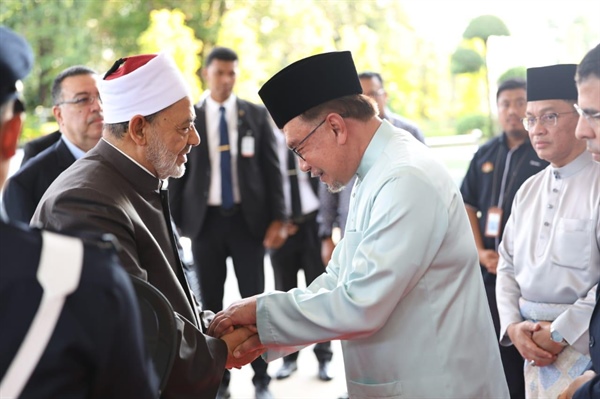
It is an expected growth in relations, given that they are ancient, especially if we know that the highest scarf in the Federation of Malaysia was presented to the late President Gamal Abdel Nasser nearly half a century ago in January 1964.
The Malaysian government also chose the Egyptian embassy in Malaysia to sponsor Indonesia’s interests in the Federation of Malaysia during the severing of relations between the two countries due to Indonesia’s opposition to the establishment of the Federation of Malaysia.
Malaysia also played a pivotal and decisive role in the problem of freezing Egypt’s membership in the Organization of the Islamic Conference. In a press conference held by the Deputy Prime Minister of Malaysia during his visit to Egypt in 1982, he announced that his country was interested in Egypt’s return to membership in the Organization of Islamic Cooperation based on the fact that Egypt is a founding state of the Organization of the Islamic Conference (now the Organization of Islamic Cooperation).
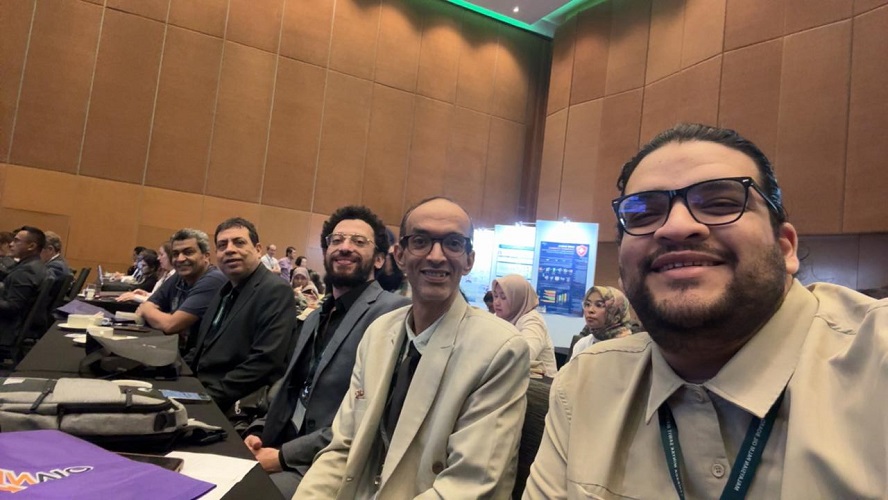
There is an Egyptian community in Malaysia whose number is very limited, not exceeding 500 people. They are university professors and envoys sent by Al-Azhar to Malaysia.
Malaysia and the future of MSPO Sustainable Use Certification for Malaysian Palm Oil
MSPO is a Malaysian national certification and standard that aims to ensure that palm oil is produced in an environmentally and socially sustainable manner. This certification complements other standards such as RSPO, an internationally accredited system that focuses on the sustainability of production on plantations and factories.
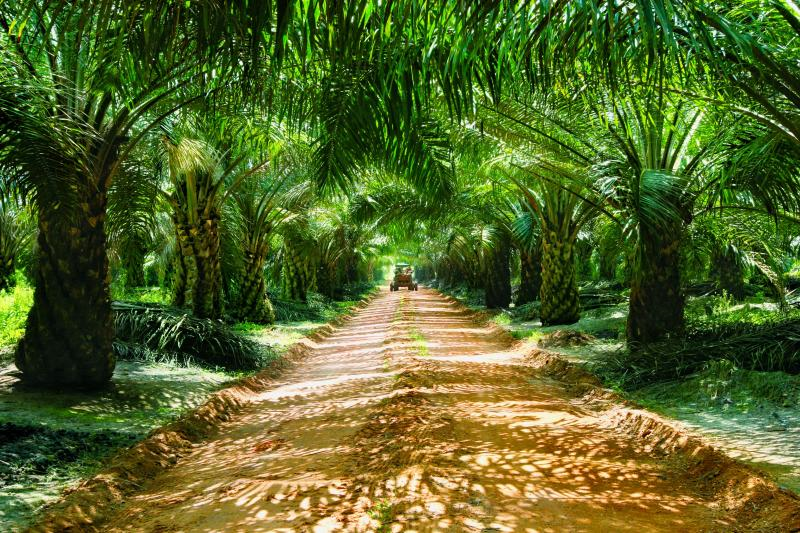
Malaysia is the second largest producer of palm oil in the world, with a production of about 19 million tons annually. The area of palm oil farms is about 14 million acres, which is a huge number. The area of the farms has decreased in recent years due to Malaysia’s efforts to preserve the environment, which affected the volume of production.
Malaysia occupies second place globally in palm oil production. The palm oil sector contributes about 3.7% of Malaysia’s gross domestic product. Malaysia is also the second largest exporter of palm oil in the world, exporting about a third of global production, while India, China and the European Union are among the largest importing markets for Malaysian palm oil.
Malaysia is moving towards developing advanced milling and refining processes to raise the quality of the oil produced. Malaysia is also encouraging sustainable agricultural practices in the palm oil sector through Malaysian Sustainable Palm Oil (MSPO) certifications.
Prospects for developing the level of Egyptian-Malaysian cooperation within the framework of growing bilateral relations
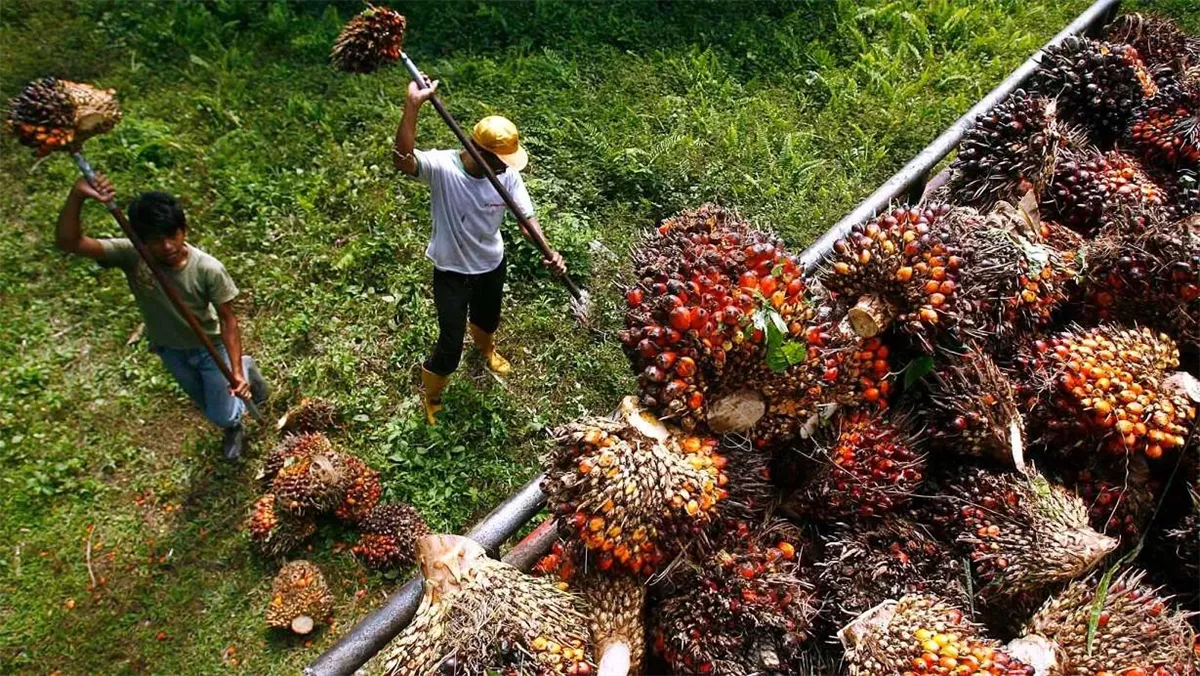
In light of the recent visit conducted by the Cairo 24 Foundation, as one of the most important and reliable news organizations in the Middle East and Africa, we reveal the importance of exploiting the current opportunity available between the Egyptian and Malaysian sides, given the real desire between the two sides to establish a strong partnership, as Egypt has in recent years adopted a successful policy of expanding to cultivate millions of acres in the regions (Toshka – the Kharga and Bahariya Oases – Siwa and Upper Egypt), where Malaysia’s progress in artificial pollination of palm trees and related manufacturing industries can be relied upon. Related to feed and cosmetics.
It is also possible to expand the establishment of factories to convert palm waste into medium-density wood panels (MDF) to meet the needs of the local market and raise production for export regionally to enhance bringing in dollar resources and developing exports.
The strategy of recycling palm components into handicrafts can also be localized, which contributes to the local economy and achieves environmental benefits that enhance the Egyptian role in the field of preserving the environment and achieving goals.
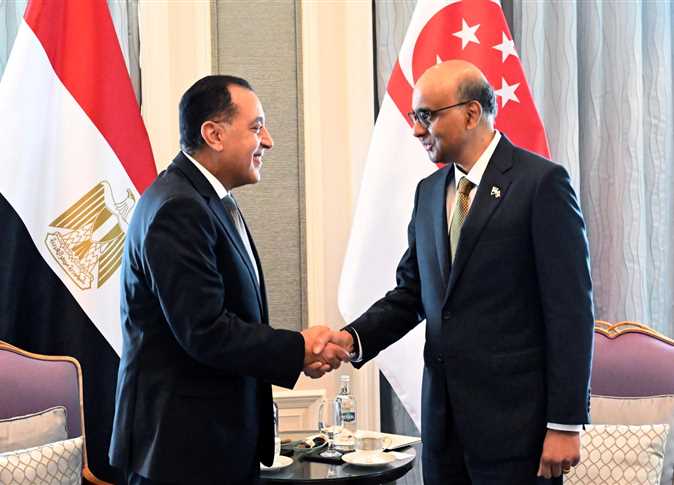
In recent years, and specifically the last two years, Egypt has gained steady international momentum in light of well-established international relations, which included external visits by the President of the Republic and foreign officials, and the solutions of kings and presidents to discuss regional issues. Egypt had a clear position. It recently emerged in developing solutions that stopped a war the size of the Gaza war and set frameworks for the future management of the Strip after a dispute between the parties to the conflict, which restored Egypt’s pivotal role regionally and globally, and made it enjoy its usual weight. It also enjoyed a boom and growth in its relationship with Singapore. A high-level Singaporean delegation recently visited Cairo.
All of the above can be relied upon to heal any disagreement and bring viewpoints and visions closer between Malaysia and Singapore. To find common ground between the two neighbors on issues of aviation and airspace and exchange agreed-upon air routes, resume negotiations related to airspace and sponsor joint Malaysian-Singapore talks, and also play a positive role and exchange efforts and joint relations in order to develop solutions to the flow and prices of water, whether in the Egyptian-Ethiopian dispute over the Renaissance Dam or the water price agreements between Singapore and Malaysia and the 1962 water agreement to achieve the maximum benefit for the three countries from this partnership.
Last but not least, reaching a complete consensus on the island of Pedra Branca, which is described as one of the main disputes between the two countries.
Investing in the Egyptian role in Africa in order to open areas for studying nutritional problems for children and studying the experience of the Felda Foundation and its arm, the FGV company.
FGV Holdings Berhad, a Malaysian global agri-food conglomerate and one of the largest palm oil producers, is a subsidiary of Felda, a publicly traded company.
The partnership with it can be strengthened through the Egyptian Ministry of Agriculture in reclaiming land and raising its production, and in the field of joint studies and research in settling tropical crops through hybridization and genetic modification.
An Egyptian-Malaysian international axis to benefit from the implementation of the outcomes of COP30 and COP27
The 27th COP was held in Egypt 3 years ago, which reflected a real Egyptian will to implement realistic solutions to the financing crisis of developing and middle-income countries in order to combat climate change. The COP30 conference also seeks to achieve an ambitious goal, which is to pump $1.3 trillion to developing and vulnerable countries, in an unprecedented step aimed at strengthening their ability to adapt to climate change and confront its devastating effects, as this funding represented a ray of hope for these countries, which suffer directly from the repercussions of the climate crisis despite being the least responsible for it.
The COP30 conference comes to restore confidence and renew hope in the possibility of achieving tangible progress, as the conference aims to establish a new framework for climate financing that exceeds the $100 billion barrier and reaches $1.3 trillion, a number that reflects the scale of the challenges facing developing countries.
This huge financing aims to achieve multiple goals, the most important of which are:
Enabling developing countries to switch to clean energy sources, such as solar and wind energy, and reduce dependence on fossil fuels.
Building resilient infrastructure capable of withstanding natural disasters, such as floods and drought.
Providing the necessary resources to protect local communities from the negative effects of climate change, such as loss of agricultural land and water shortages.
Transferring green technology from developed countries to developing countries, which contributes to accelerating the pace of climate change.
Egypt is participating in the COP30 conference with a high-level delegation to monitor and shed light on its important achievement in COP27, which is the establishment of the Loss and Damage Fund.
Egypt’s participation in COP30 also constitutes a valuable opportunity to shed light on its pioneering experience in the field of renewable energy, and to implement giant projects such as the Benban solar power station, which is one of the largest stations in the world.
Egypt will certainly benefit greatly and strive to enhance the experience of manufacturing biodiesel from palm oil, which is a fuel derived from vegetable oils or animal fats. Biodiesel is generally characterized by being biodegradable, and when burned, it emits fewer emissions than traditional petroleum fuels.