
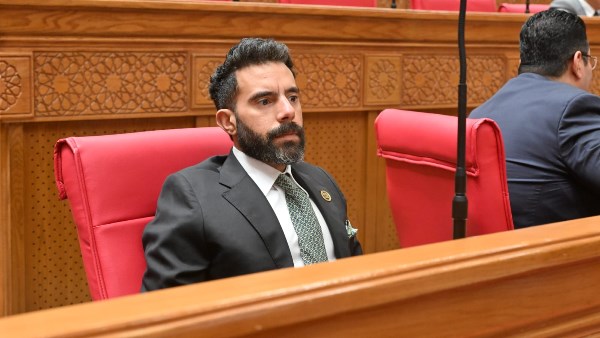
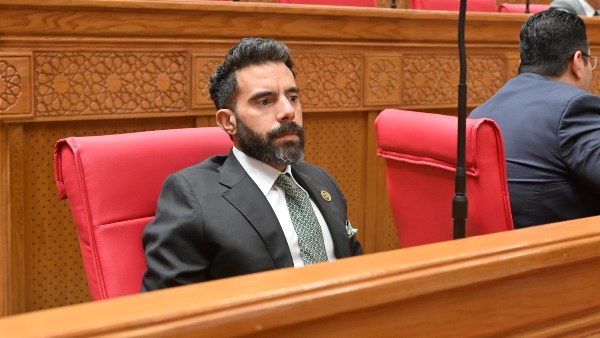
Representative Islam Qortam, a member of the House of Representatives, confirmed that taxes are a legitimate right of the state, and they are an essential source of its income, and no one opposes that, but on the other hand, there must be a real balance between the state’s right to collect and the citizen’s right to protection and justice.
In his rejection of the amendments to the real estate tax law, Qortam pointed out that there is a big difference between a property that generates income and investment, and a house in which a citizen and his family live, explaining: “A house is not a commercial asset… A house is a basic right. For the Egyptian citizen, a house is security and stability.”
Qortam said: “How do we hold a citizen accountable for increasing the price of his house in the market when his income has not increased? The value may rise due to inflation or market turmoil, but he has not made an actual gain. This is his house that he lives in and spends on.”
The representative added that there is no accurate and integrated real estate database, and according to Article 14 we will have to rely on data from residential complexes, utility companies, and administrative bodies, asking: “If this data is inaccurate, who bears responsibility? And with the circulation of a name, national number, and ownership data, where is the explicit link to the Personal Data Protection Law?”
He pointed out that revaluation every five years, in light of clear inflation and high prices, means that the value will increase, and therefore the tax will increase even if its rate is fixed, and this is a continuing and increasing burden on families, especially the middle class.
He continued: “The idea of ‘pay now and appeal later’ allows the citizen to bear the first burden, and then start looking for his rights.” This is not the balance on which any tax law is supposed to be based.