

Tuesday 06/January/2026 – 10:01 AM
Prices for receiving scrap iron in Egyptian factories recorded a new decline in early January 2026, as the “Egyptian Steel” factories in Beni Suef and Sokhna announced a reduction in supply prices by 500 pounds per ton, according to traders in the market who spoke to Cairo 24.
The receiving prices of the “Distinctive” variety stabilized at 22,500 pounds, while the “Racketeer” variety recorded 20,000 pounds per ton. The “Bianco 3” factory also joined the wave of decline, announcing a similar decline in scrap prices starting from this week’s transactions, which gives initial indications about the features of market pricing in the first quarter of this year.
Prices for receiving scrap iron in Egyptian factories
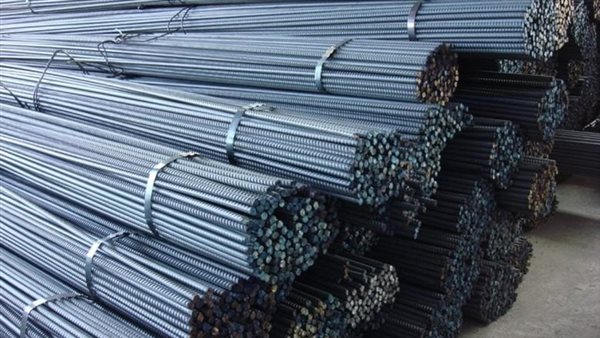
Despite this decline in the prices of local raw materials, expectations indicate that rebar prices in large factories (integrated and semi-integrated) will remain stable during the month of January, as Ezz Steel prices stabilized in a range between 34,000 and 34,500 pounds per ton. This stability in major factories comes as a result of the balance between the decline in scrap prices on the one hand, and the stability of other operating costs on the other hand, which provides a state of relative calm in the construction markets at the beginning of the new year.
Dumping duties and imported pallet pressures
On the other hand, “investment iron” is facing extreme difficulties in catching the wave of decline, as its prices currently range between 31,500 and 32,000 pounds per ton. This difficulty is mainly due to the continued rise in imported pallet prices, especially with the continued imposition of dumping duties that increase the cost of production for factories that rely on foreign raw materials, which makes price maneuvering margins very narrow for small producers despite the decline in local scrap prices.
Market experts believe that the scene in January 2026 is characterized by a “conflict of factors”, as while the abundance of scrap is pushing prices down, importing pallet costs remains the strongest driver of final prices. Contractors and real estate investors are awaiting any new updates in customs policies or energy prices, which may be the deciding factor in determining the path of steel investment in the coming months, amid hopes of reducing burdens to stimulate national and private construction movement.