
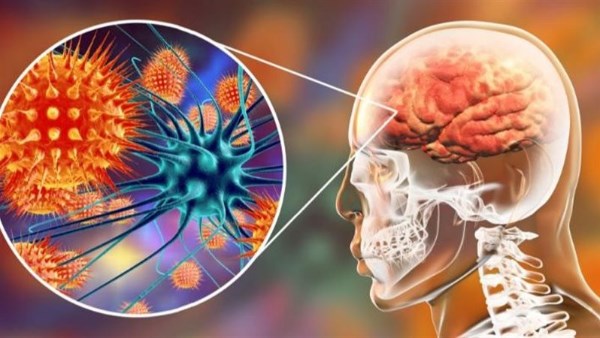
Meningitis It is an inflammation of the three membranes that surround the brain and spinal cord. This condition is serious and may be life-threatening if it is not diagnosed and treated quickly.
It can happen because:
-Infection: such as viruses, bacteria, or parasites.
-Non-infectious causes: such as cancer or head injuries.
Symptoms may vary depending on age, and include:
-Fever.
-Neck stiffness.
-Sensitivity to light.
-Headache.
-Nausea or vomiting.
-Confusion or changed mental state.
– Extreme lethargy or difficulty waking up.
-Anorexia
Symptoms specific to infants:
-Swelling of the soft area on the head (fontanelle)
– Poor breastfeeding.
-Irritability.
-Drowsiness or difficulty waking up.
-Lack of activity or slow response.
If any of these symptoms appear, you should immediately go to a healthcare provider to diagnose the condition, determine the cause, and begin appropriate treatment.
The methods of infection vary depending on the cause, including:
-Bacterial or viral infection that is transmitted from one person to another.
– Eating contaminated food.
-Inhaling fungi from the environment.
-As complications of non-infectious conditions such as cancer or lupus.
-After a head injury or brain surgery.
-As a side effect of some medications.
Treatment depends on the cause and includes:
-Antibiotics for bacterial conditions.
-Antifungals for fungal conditions
– Antivirals in some cases such as herpes or influenza.
-Corticosteroids to reduce inflammation.
-Intravenous fluids to prevent dehydration.