
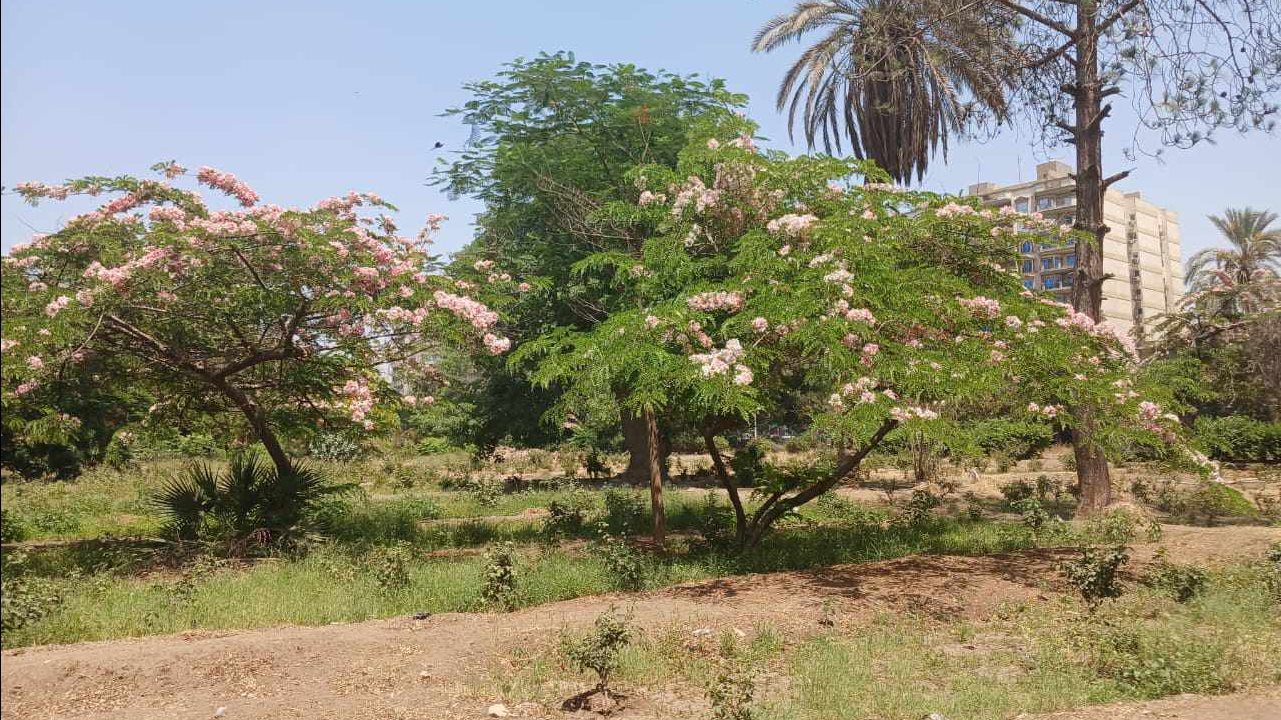
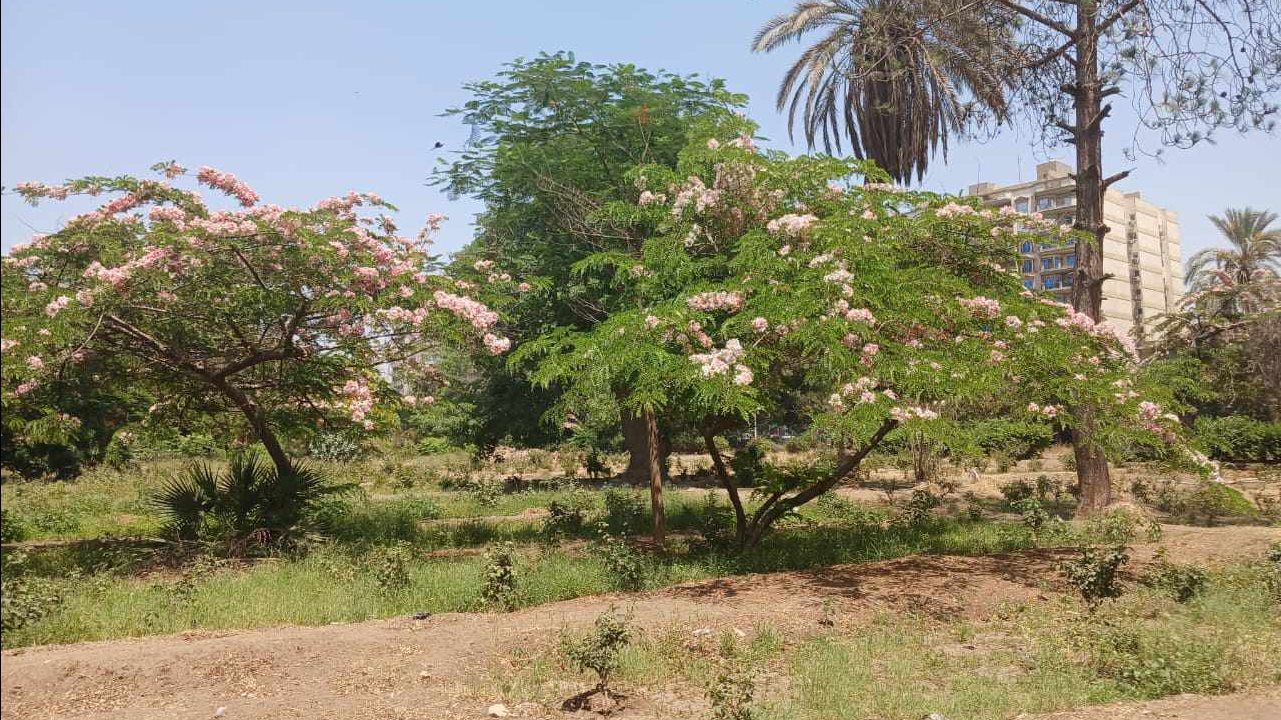
Egypt is one of the most prominent countries that embraces a unique environmental wealth within its natural reserves, where rare types of perennial trees are widespread, which represent great scientific and environmental value. These trees play an important role in maintaining environmental balance, despite being exposed to the risk of extinction.
Natural reserves, especially in Egypt and Southwest Asia, include rare species of perennial and rare trees
Such as the dragon tree (Dracena) in Mount Elba, which was used in mummification, and the mangrove (Shura) trees in Ras Muhammad.
In addition to the Samar trees, Acacia trees, and the glass bottle in Aswan
Which represent environmental treasures that are threatened with extinction and need protection
These trees vary between different desert, coastal and mountainous environments, which reflects the great biological diversity within the natural reserves.
It stresses the importance of preserving it for future generations.
The dragon tree is known as the “cloud tree.” It grows on mountaintops and is one of the rarest trees that helps attract moisture. The ancient Egyptians also used it in mummification operations. It represents an essential pillar of the ecosystem in mountainous areas. As for mangrove trees, they live in salt water in a unique way, and are distinguished by their ability to purify water and get rid of salts.
It provides a suitable environment for the reproduction of fish and marine organisms, making it of great environmental and economic importance.
The glass bottle tree is one of the oldest perennial trees, as it is more than 100 years old and stores water inside its trunk, while acacia trees act as natural wind barriers and help stabilize sand dunes in desert areas.
Samar and Sidr trees also provide natural pastures for creatures.
The terebinth tree produces wax materials that are traditionally used, while the Colvillea tree is a very rare species and has therapeutic properties, including lowering blood sugar levels.