


Saturday 21/March/2026 – 11:06 PM
With the advent of Eid al-Fitr every year, the features of the celebration change in many homes, and there is no longer a smell Kahk and biscuits Houses are filled as they were before, and have even been replaced by bags of ready-made orders and express delivery services. This transformation raises an important question: Has Eid lost its rituals or is it keeping pace with the new lifestyle?
From Kahk to Delivery… Has Eid lost its rituals?
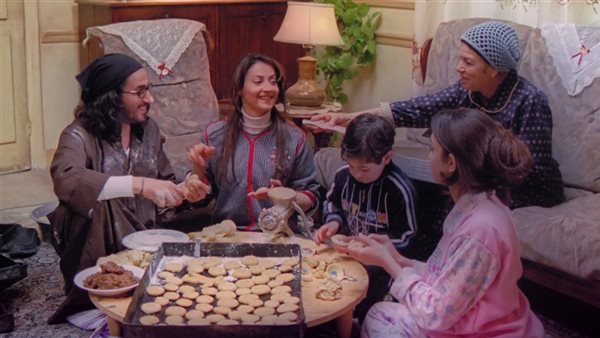
In the past, preparing Eid cakes and biscuits was an essential and indispensable ritual. Families, especially in Egypt, would gather days before Eid, with mothers and grandmothers sharing in preparing the dough, decorating it, and baking it in an atmosphere full of joy and laughter. It was not just cooking, but rather a social occasion that strengthened family bonding and passed on customs from one generation to another.
Today, with the progress we are witnessing now, the scene has changed significantly. Many families are now relying on purchasing kahk and biscuits from stores or ordering them through delivery applications.
Speed and convenience have become the most important factors, especially with the lack of time and the large number of daily commitments, which made the idea of preparing kahk at home seem exhausting to some.
One of the women in the countryside in Sharkia Governorate said during Cairo 24’s question about Egyptian families’ reliance on ready-made purchases instead of family gatherings and the smells of the good old days. The answer is that the cost of time and effort no longer suits the current rhythm of life, especially with the high costs of equipment, raw materials and gas prices, in addition to the pressures and preoccupations of daily life for many. While others see that ready-made products have become of high quality and meet needs easily, and on the other hand, many yearn for the family gathering around the cake pan, considering that this Rituals are priceless and cannot be replaced by a ready-made request.
Despite this change, some families still maintain traditions, albeit partially, as they prefer to prepare part of the cakes at home and buy the rest. This compromise reflects an attempt to reconcile modernity and adherence to the roots.
In the end, the question remains open: Is the holiday in its details or in its feelings? Eid may not have lost its rituals, but rather reshaped them to suit the times, but what is certain is that the smell of homemade cakes will remain for many an unforgettable symbol of Eid al-Fitr’s memories.