

Monday 02/February/2026 – 06:15 AM
The month of Shaban occupies a special place among the Bedouins of Matrouh Governorate, as it embodies the features of spiritual and social preparation to welcome the holy month of Ramadan, and during which inherited customs and traditions emerge that reflect the depth of Bedouin identity and the cohesion of society.
The Bedouin people of Matrouh are keen to perform many acts of worship during the month of Shaban, such as fasting and reading the Qur’an, in imitation of the Sunnah of the Prophet, as the elderly are known to encourage young people to take advantage of this month in psychological and spiritual preparation for Ramadan.
Socially, the month of Shaban witnesses remarkable activity in family ties, as family visits and tribal meetings increase, and old disputes are resolved in an atmosphere of tolerance, out of belief in the importance of entering the month of Ramadan with pure hearts. Simple customary sessions are also held to end disputes, in what is known locally as “shaking hands before fasting.”
This month, women begin preparing Ramadan supplies, such as storing flour, ghee, and dates, and preparing some of the traditional foods that Matrouh is famous for, while men are concerned with preparing prayer places, especially small prayer rooms in Bedouin gatherings.
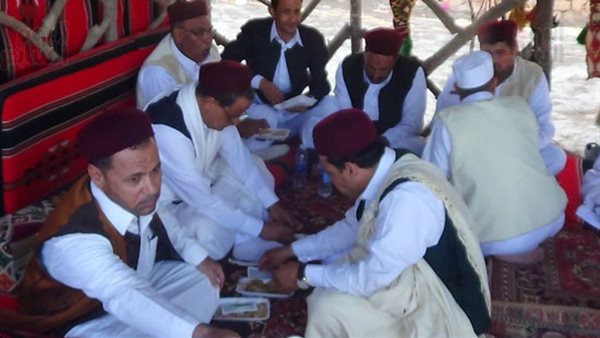
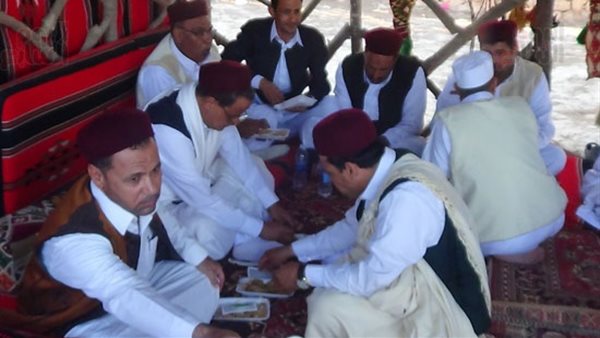
Another notable custom is holding limited group banquets, especially in the second half of Sha’ban, as a form of social courtship and solidarity, while paying attention to feeding the needy and the wayfarers, which is an authentic value in Bedouin culture.
Tribal sheikhs confirm that these customs, despite being influenced by aspects of modern life, are still strongly present in the conscience of the people of Matrouh, and represent a link between the past and the present, and embody the spirit of cooperation and faith that characterizes Bedouin society, especially during religious seasons.