

Friday 20/March/2026 – 11:57 AM
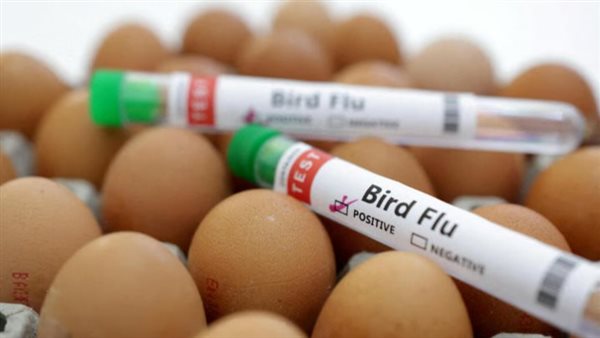
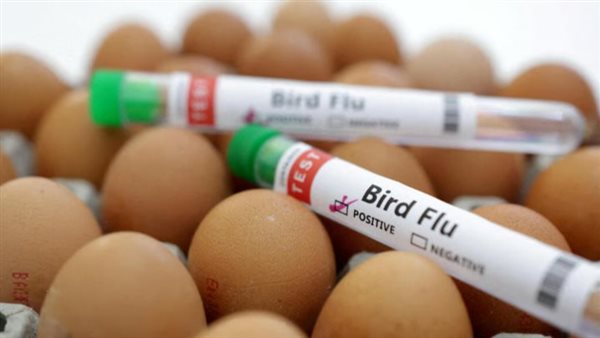
New surveillance data from the European Food Safety Authority, the European Center for Disease Prevention and Control, and the European Union reference laboratory show that detections of highly pathogenic avian influenza are beginning to decline across Europe, according to Poultry world.
Decrease in bird flu cases
The decline follows an exceptionally severe fall and winter season, the worst in five years for waterfowl turnover.
Despite this recent decline, overall infection numbers this season remain higher than in previous years over the same period, and according to the European Food Safety Authority and the European Center for Disease Prevention and Control, the risk of infection to the general public remains low.
Avian influenza in Europe
Wild bird detections were three times higher than last year, and almost five times higher than the previous two years, which is directly attributable to the unusually strong seasonal peak.
Since December, detection cases have begun to decline, consistent with usual spring patterns, and on poultry farms, most infections have arisen from indirect contact with wild birds, while cross-farm transmission remains rare.
The results underscore the need for strict biosecurity measures, in particular the following:
Prevent contact between poultry and wild birds.
Strengthen hygiene and controls at farm level.
Watch for early signs of infection.
Detection in mammals.
Although cases of infection among birds have decreased, cases of infection among mammals have increased slightly for the first time in the European Union. Serological tests conducted on a herd of apparently healthy dairy cows indicated previous exposure to highly pathogenic avian influenza, suggesting possible transmission from wild birds. Investigations are ongoing.