

Sunday 29/March/2026 – 07:38 PM
Dr. Muhammad Ali Fahim, head of the Climate Change Information Center at the Agricultural Research Center, wrote a post on his official page on the social networking site Facebook, in which he warned of unstable weather conditions that are expected to affect a number of governorates during the period from the evening of Tuesday, March 31, until Thursday, April 2, with its effects extending in some areas until Friday morning.
The Climate Center warns: A violent weather wave will hit Egypt for 72 hours, starting Tuesday
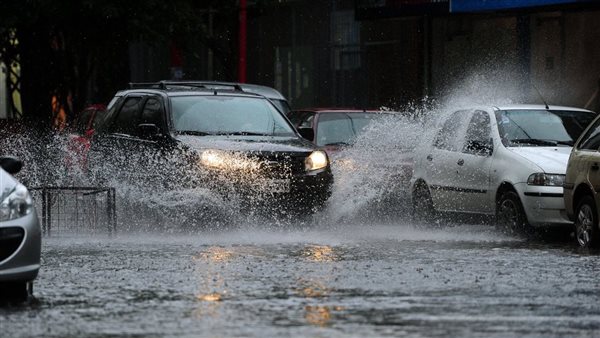
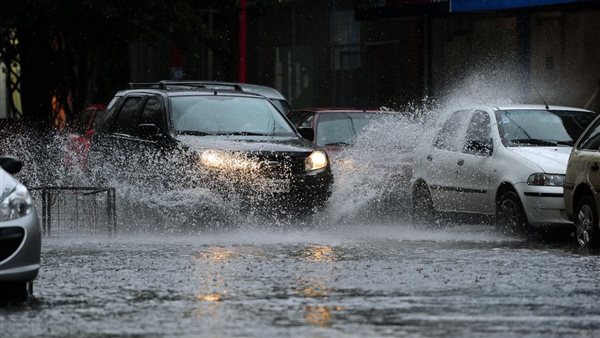
Fahim explained in his post that the country is witnessing a severe weather condition that includes thunderstorms of varying intensity, which may reach heavy in some areas, in addition to noticeable wind activity and a drop in temperatures during the night hours, with the possibility of torrential rains in mountainous and desert areas.
Dr. Muhammad Ali Fahim indicated that the situation begins gradually on Tuesday, as rain clouds form over areas of the west of the Republic, such as Siwa and Matrouh, and then extend during the evening and night hours to include areas of Lower Egypt, the canal cities, northern Upper Egypt, and Sinai, with expectations of thunderstorms of varying intensity.
Fahim added that Wednesday is the peak of the weather condition, as the chances of heavy rain and thunderstorms increase over a wide range of the Republic, including the Delta regions, the northern coasts, and Sinai, in addition to extending to areas of Upper Egypt, with warnings of the possibility of torrential rains in some areas such as the New Valley, the oases, and southern Upper Egypt, coinciding with strong activity of winds stirring up sand and dust.
Dr. Muhammad Ali Fahim confirmed that Thursday will witness a continuation of rain, but at a relatively lower rate, with chances of impact remaining on areas of Lower Egypt, Sinai, and northern Upper Egypt, with the situation gradually beginning to recede at dawn and Friday morning.
The head of the Climate Change Information Center stressed the need to take precautionary measures, especially in areas exposed to floods, and avoid being in low places or under trees and billboards, while being careful while driving due to low visibility.
He also made urgent recommendations to the agricultural sector on the need to stop irrigation and spraying operations during the period of weather fluctuations, open agricultural drains to drain water, stabilize agricultural greenhouses and support sensitive crops, stressing the importance of follow-up after the end of the situation to monitor any fungal effects on crops.
He concluded his post by emphasizing that good preparedness and early response to the weather situation contribute significantly to reducing losses, calling for immediate follow-up of updates from official authorities.