

Friday 27/March/2026 – 06:47 AM
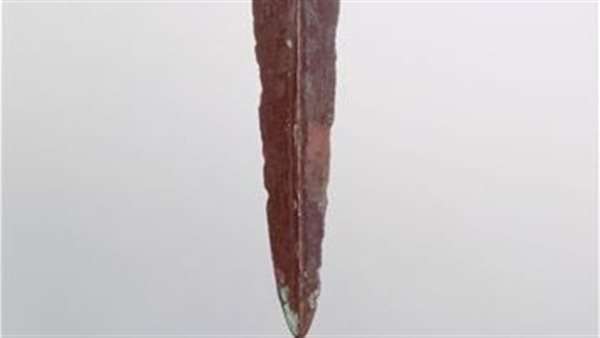
The Royal Museum of Antiquities displays a unique artifact of its kind, an antique dagger bearing registration number AB 138, which is a distinctive model that combines practical function with high aesthetic value.
A dagger of gold and bronze that tells the secrets of power and prestige in ancient Egypt
The history of this dagger dates back to a period extending from the Eighteenth Dynasty to the Twenty-Sixth Dynasty, which reflects the continuity of the use of this type of weapon and its development across different eras of ancient Egyptian history. Although the exact location of its discovery is not known, its artistic and technical characteristics confirm its connection to the advanced craftsmanship environment in ancient Egypt.

The dagger is made of bronze, gold, and ivory, materials that combine solidity and luxury, indicating that it was not just a combat tool, but may also have been used as a symbolic or ceremonial piece. It was executed using advanced techniques such as hammering and inlay (inlay), techniques that reflect the skill of ancient Egyptian craftsmen and their ability to combine metals and organic materials into an integrated work of art.
This piece highlights an important aspect of the development of weaponry in ancient Egypt, where daggers were not just tools of war, but also carried social connotations and symbolic status, especially when gold and ivory were used in their decoration, which was often associated with the elite or the ruling classes.
The display of this dagger comes as part of the efforts of international museums to highlight the ancient Egyptian heritage and provide the public with the opportunity to learn about the precision of metal industries and decorative arts that have flourished for thousands of years, confirming the leadership of Egyptian civilization in various fields of human creativity.