

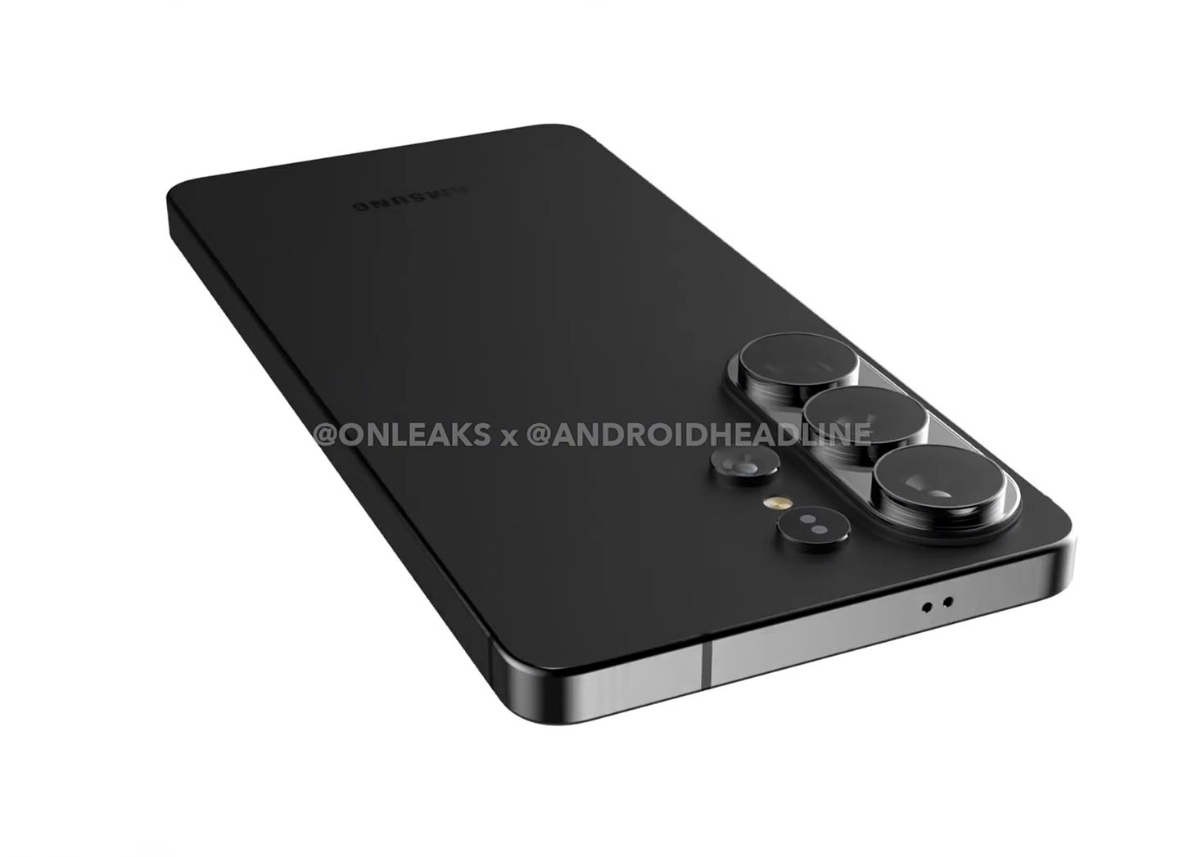
Samsung is witnessing an internal struggle between the hugely profitable DS chipset division and the consumer electronics divisions responsible for developing Galaxy phones, which may affect the specifications and prices of the Galaxy S26 series.
Analysts expect the chipset division to generate profits of up to $69 billion in 2026, driven by huge demand for high-performance memory chips used in artificial intelligence.
Because of this demand, Samsung is dramatically raising the prices of its chips, putting pressure on device makers, from phones to computers and tablets.

When the MX division responsible for developing the Galaxy S26 tried to sign a long-term contract to obtain LPDDR memories at a fixed price, the DS division refused, and contented itself with granting it a short-term contract. As memory prices more than double, its cost share within Galaxy S26 components will rise to about 20%, which is roughly equal to the cost of the processor.
In the face of this new reality, it seems that Samsung will move to stabilize the price of the Galaxy S26 Ultra instead of raising it, but it will keep the specifications almost the same without major upgrades in the screen, camera, or memory. Reports indicate that the most notable features the phone will bring is an improved design and an exclusive Snapdragon 8 Elite Gen 5 processor.
Although this strategy may maintain a starting price of $1,299, the gap between it and the Galaxy S25 Ultra, which currently sells for less than $900, may make the upgrade decision questionable.