
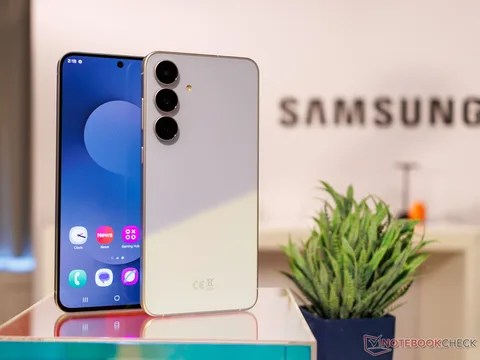
Samsung is moving towards using economical OLED screens in its upcoming phones, as it decided to abandon the production of its internal screen division in favor of panels manufactured by the Chinese company CSOT, which is classified within the second category of manufacturers. This strategic shift reflects Samsung’s desire to give top priority to controlling manufacturing costs and reducing expenses in its mid-range phone lineup, ignoring the intense internal opposition to this surprising move.
The new screens coming from CSOT are distinguished by their low cost, which is 20% lower compared to the screens produced internally by Samsung for its mid-range phones in the Galaxy A series or the famous Fan Edition series. This austerity measure aims primarily to compensate for the insane and continuous rise in the costs of memory chips and operating processors, the prices of which have doubled significantly within a short period of time not exceeding a few months, forming a heavy burden on the production budget.
To illustrate the scale of the crisis, a 64 GB DDR5 random access memory package from Crucial is currently being offered at a reduced price of $580, even though this price represents double its original value since last November. This rise, driven by the huge demand for AI data centers, has led to random memory and storage becoming the most expensive components in any smartphone, pulling the rug from under the system chips and screens that previously topped the list.
At a time when some of the largest smartphone manufacturers in the world, such as Oppo, Vivo, and OnePlus, were quick to announce official increases in the prices of their phones within the Chinese market to confront this crisis, Samsung chose a completely different path. The company realizes that the segment of middle-class phone users is very sensitive to any changes in prices, which prompted it to prefer the option of reducing manufacturing costs instead of placing additional financial burdens on the consumer that may negatively affect the volume of its sales in the markets.
It was reported that Samsung’s screen division pushed fiercely before senior management to avoid this decision, warning that its revenues would decline sharply if it lost orders for the basic Galaxy A series, especially after it lost orders from other companies due to the memory price crisis, but to no avail. Industry sources confirm that the company has already ordered at least 15 million OLED panels from CSOT to assemble the upcoming Galaxy A57 and Galaxy S26 Fan Edition phones, given their competitive prices and acceptable quality for this category.