

Friday 30/January/2026 – 07:00 AM
Dr. Saeed Helmy, General Coordinator of the Committee, confirmed Recovery of state landsThe national platform for legalizing state lands has witnessed great demand since its launch, as about 23,000 legalization requests were received during the first week alone, which reflects the success of the platform and its ease of use.
The State Land Recovery Committee reveals legalization numbers via the national platform
Helmy explained that the platform allowed citizens to submit legalization requests without any paper procedures or direct dealings with employees, noting that the citizen can submit the application from his home via mobile phone or computer, or through information technology centers in the governorates, with the possibility of following all stages of legalization electronically within a framework of complete transparency.
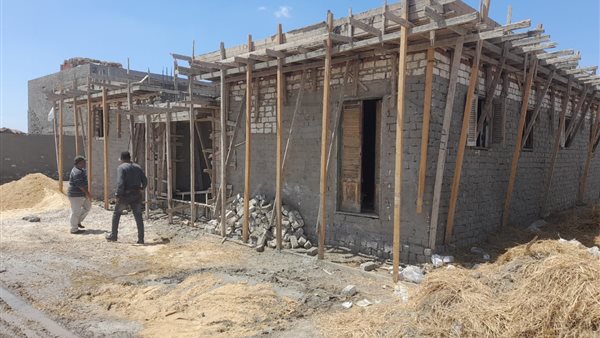
He added that the state has a comprehensive inventory of all private state property and existing encroachments in all governorates and regions of the state, pointing out that a large number of squatters who were previously listed are currently being urged to apply to the national platform in accordance with the provisions of Law 168.
The General Coordinator of the State Lands Recovery Committee indicated that the government aims to submit between 400 to 500 thousand legalization applications during the coming period, stressing that the scheduled six-month period is a period for receiving applications only, and ends on July 18, 2026, while the relevant legalization committees continue to complete the procedures and examination according to the approved legal stages.
Regarding awareness-raising efforts, Helmy explained that the governorates are implementing extensive media campaigns under the guidance of the Minister of Local Development, in cooperation with the State Land Recovery Committee, which include publishing explanatory videos on official pages, in addition to field movements by property managers and relevant committees to educate citizens and urge them to speed up progress.
Regarding what comes after legalization, Helmy stressed that the contracts concluded between the citizen and the state obligate him to the specific activity on the basis of which the legalization was made, stressing that there are periodic follow-up committees from the state and governorate authorities to ensure compliance with the terms of the contract, while not allowing the activity to be changed in the future except in accordance with the approved legal frameworks.