

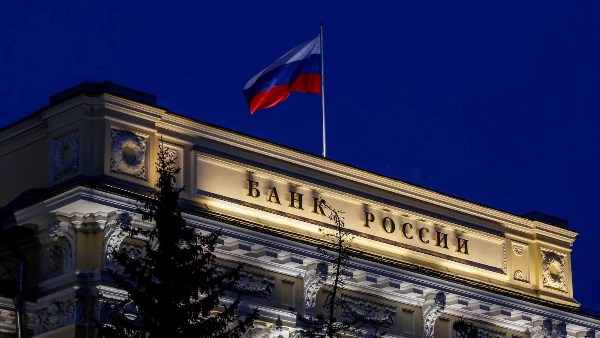
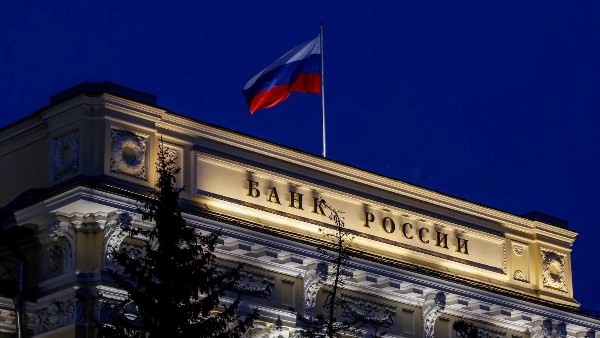
The Central Bank of Russia filed a lawsuit against the European Union, over the indefinite freeze of frozen assets against the backdrop of the Russian war in Ukraine, arguing that it is deprived of legal protection, in the first challenge of its kind since the outbreak of the war.
According to a statement issued by the Russian Central Bank published today, Tuesday, and reported by Bloomberg, the lawsuit filed before the General Court of the European Union in Luxembourg challenges a European Council regulation issued on December 12, 2025.
According to the statement, the European regulation violates “the fundamental and inalienable rights to resort to justice, the sanctity of property, and the principle of sovereign immunity of states and their central banks,” which are rights guaranteed under international law.
The European Union countries agreed in December to extend the freeze on about 210 billion euros in Russian sovereign assets held within the bloc since Putin ordered the comprehensive invasion of Ukraine in February 2022.
The Union intends to keep these assets frozen until the war ends and Russia pays compensation to Ukraine.
Most of these funds are held by Euroclear (an international financial services company based in Brussels, Belgium), while the Belgian government has shown resistance to European Union efforts to use those assets to guarantee a loan to support Ukraine.
The regulations prohibit any transfer of these assets for an indefinite period, and also prevent the Central Bank of Russia from resorting to the courts to defend its rights, including implementing any judicial rulings or arbitration decisions related to these assets.
The bank also argues that the European Council committed serious procedural violations when adopting the regulations by a majority vote instead of unanimously.
Shortly after the publication of the list, the Russian Central Bank issued a warning to the European Union, threatening to seek compensation through local courts from European financial institutions if the Union continued to use the frozen assets to support Ukraine.
The bank also filed a lawsuit in Moscow in December, demanding 18.2 trillion rubles from Euroclear.
In light of the mutual legal escalation, this lawsuit highlights unprecedented complexities in the international financial and legal scenes, as considerations of sovereignty and immunity intersect with the goals of sanctions and financial support for Ukraine.
The course of the case before the European judiciary is likely to constitute an important test of the limits of the use of frozen sovereign assets, its repercussions on the global financial system and the principle of central bank immunity.