


Friday 06/March/2026 – 10:41 AM
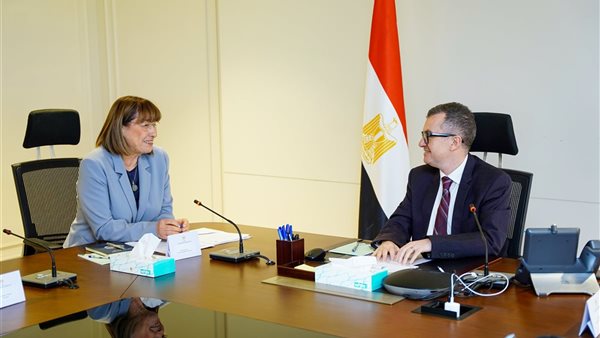
Dr. Ahmed Rostom, Minister of Planning and Economic Development, received Elena Panova, the United Nations Resident Coordinator in Egypt, in a meeting aimed at developing joint cooperation mechanisms and linking them to urgent national priorities, within the framework of the extended strategic partnership between Egypt and the United Nations system.
United Nations system
The meeting dealt with a comprehensive assessment of existing cooperation paths, with Dr. Ahmed Rustom indicating that the Ministry is adopting a proactive approach based on early action and enhancing the efficiency of resource allocation. He explained that the current trend aims to transform joint programs into tangible results that support the growth path, with a focus on investing in advanced technology as a main driver for monitoring the efficient performance of public investments, and developing innovative financing mechanisms to improve the return on investments and enhance the potential for sustainable growth of the Egyptian economy.
The Minister stressed that the economic and social development plan for the new fiscal year takes into account maximizing the development return from international partnerships, pointing out the importance of aligning United Nations programs with major national initiatives, most notably the presidential initiative “A Decent Life,” to ensure that the fruits of development reach the communities most in need. He also called for adopting a “feedback” system and accurate data as a basic tool to evaluate the performance of implemented programs and ensure the sustainability of their results.
For her part, Elena Panova renewed the commitment of the United Nations system to support Egypt’s development vision, praising the mutual trust that characterizes this partnership. “Panova” reviewed the pillars of the “Strategic Partnership Framework 2023-2027”, which mainly focus on:
• Support investment in human capital and economic empowerment.
• Promoting green growth and confronting the challenges of climate change.
• Consolidating the principles of governance and transparency in institutional performance.
At the conclusion of the meeting, the two sides agreed to intensify technical coordination during the coming weeks to hold joint workshops aimed at reviewing the performance indicators of the current framework of cooperation, and laying the executive foundations for the new phase of the partnership with the United Nations system, ensuring the transformation of strategic aspirations into projects with a wide-ranging social and economic impact.