
Tuesday 07 April 2026 – 04:50 PM
The Egyptian Museum in Tahrir organized the activities of the second Scientific Day, to celebrate the anniversary of the laying of the foundation stone for the museum on April 1, 1897, one of the most ancient cultural and heritage edifices in the world.


The Egyptian Museum in Tahrir organizes the second scientific day to promote heritage education
The organization of this event came within the framework of complementing the efforts of the Ministry of Tourism and Antiquities to enhance the role of museums as educational and awareness centers, and as an extension of the “Antiquities and Heritage…Egypt’s Soft Power” conference, which was held in January 2026 at the National Museum of Egyptian Civilization.
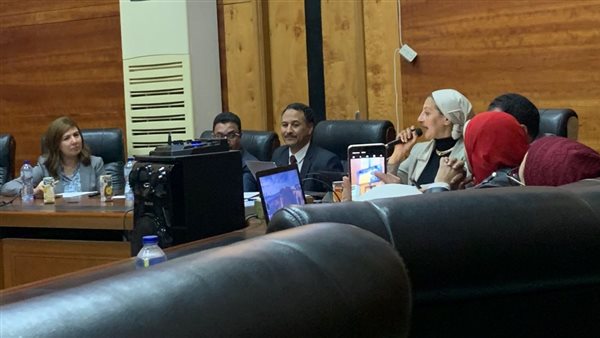
The events were held in Hall No. (39) on the ground floor, under the title: “The Egyptian Museum in Tahrir and Pioneering Heritage Education for Future Generations,” with the participation of an elite group of leaders, experts, and specialists in the fields of antiquities and museum education.
The activities began with opening speeches delivered by a number of officials, including:
Dr. Ali Abdel Halim – Director General of the Egyptian Museum in Tahrir
– Dr. Soha Bahjat – Advisor to the Minister of Tourism and Antiquities for Training Affairs
Dr. Hisham Al-Laithi – Secretary General of the Supreme Council of Antiquities
Dr. Ahmed Mohamed Hamida – Head of the Museums Sector
The scientific day also witnessed an opening lecture by Dr. Rasha Sami Mutawa, Director of the UNESCO Chair for Heritage Education at Helwan University, during which she addressed the role of heritage education in building awareness of new generations.
The activities included a number of specialized scientific lectures, including a lecture by Dr. Noura Hisham in the field of heritage and museum studies, in addition to a session on museum education policies in the museum sector of the Supreme Council of Antiquities.
The participants also discussed the latest educational methods within museums, most notably play-based learning, as one of the modern tools to attract children and youth and enhance their connection to cultural heritage.