


Friday 06/March/2026 – 02:27 AM
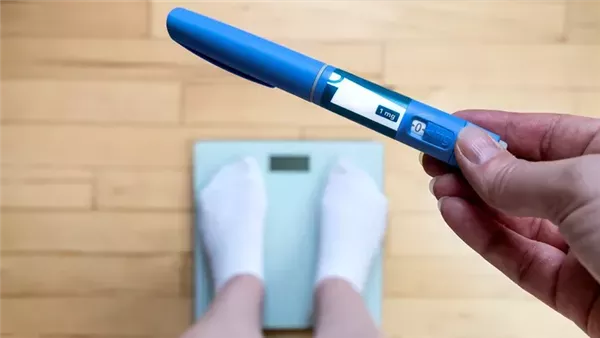
A recent scientific study revealed that some weight loss medications and treatment… DiabetesEspecially medications containing semaglutide may help reduce serious complications that may occur after heart attacks.
Medicines similar to Ozempic may reduce complications of heart attacks
According to the study, published in the journal Nature Communications and led by researchers from the University of Bristol in collaboration with University College London, drugs belonging to the GLP-1 class may play an important role in protecting the heart muscle after heart attacks.
These drugs rely on mimicking a natural hormone in the body known as GLP-1, which is a hormone that contributes to regulating blood sugar levels and appetite, but the new study indicates that its effect may go beyond that to include heart protection.
The researchers explained that the hormone sends signals between the intestines, the brain, and the heart, which ultimately leads to the activation of special channels within the cells surrounding the small blood vessels in the heart muscle.
When these channels open, the cells surrounding the vessels relax, allowing small capillaries to dilate and improving blood flow to the heart tissue.
The study indicates that nearly half of patients who experience a heart attack experience a problem known medically as “no flow,” in which tiny blood vessels within the heart muscle remain narrow even after the blockage is removed from a main artery during emergency treatment.
This results in poor blood supply to some parts of the heart, which increases the risk of heart failure or death within a year of the infection.
Researchers believe that GLP-1 drugs may help prevent this problem by improving blood flow within the microvessels.
The results suggest that these drugs – currently used to treat Type 2 Diabetes and obesity – could potentially be repurposed as emergency treatment during or immediately after a heart attack, with the aim of reducing damage to heart tissue.
But the researchers stressed that the results are still preliminary, because the study relied mainly on animal models and cellular imaging techniques, which means that clinical trials in humans are needed to confirm the effectiveness of this effect.
They also pointed out that the study focused on the immediate effect of the drug during a heart attack, and does not yet provide conclusive evidence that its long-term use provides advance protection from heart attacks.