
Sunday 22/March/2026 – 02:35 AM
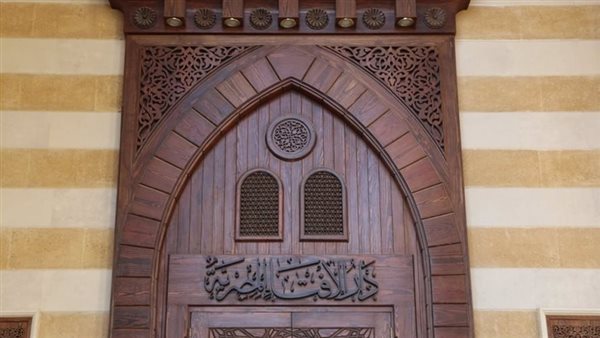
The Egyptian Fatwa House received a question that read: What is the ruling on delaying the payment of Zakat al-Fitr for the Eid prayer or its day?
Zakat al-Fitr
The house said on its official website: Zakat al-Fitr is the zakat due to breaking the fast during Ramadan. It was imposed in the second year of the Hijra, and it is the zakat of bodies, not zakat of money.
She continued: Zakat al-Fitr is an obligatory obligation. When Ibn Omar, may God be pleased with them, narrated that the Messenger of God, may God’s prayers and peace be upon him and his family, imposed Zakat al-Fitr of Ramadan on the people: a saa’ of dates or a saa’ of barley on every Muslim free man and slave, male and female. It was narrated by Muslim. It is also obligatory on every Muslim, slave or free, male or female, young or old, and a person pays it on behalf of himself and those he supports, and the wife pays it on behalf of herself or her husband pays it on her behalf.
She added: Zakat al-Fitr has been described as purifying the fasting person from idle talk and obscenity and as food for the poor. Abu Dawud narrated on the authority of Ibn Abbas, may God be pleased with them both, that he said: “The Messenger of God, may God’s prayers and peace be upon him and his family, imposed Zakat al-Fitr as a purification for the fasting person from idle talk and obscenity and as food for the poor. Whoever pays it before prayer, it is an acceptable zakat, and whoever pays it after prayer, it is charity.”
Fatwa announces the time of Zakat al-Fitr
She continued: As for when it is obligatory; The Shafi’is and Hanbalis – which is one of the two famous opinions of the Malikis – held that Zakat al-Fitr is due at sunset on the last day of Ramadan, and the other opinion of the Malikis is that it is obligatory at dawn on the day of Eid. See: Kifayat al-Talib al-Rabbani with Hashiyat al-Adawi 1/452, Mughni al-Muhtaj 1/401, and Kashshaf al-Qinaa’ 2/251.
The fatwa concluded: The majority are of the opinion that it is permissible to give it until sunset on the day of Eid, and it is Sunnah according to them not to delay the Eid prayer, and it is forbidden according to all of them to delay it beyond the day of Eid – which ends with sunset – without an excuse, and it is not waived by this delay, but rather it must be made up for it.