

Thursday 05 March 2026 – 03:21 AM
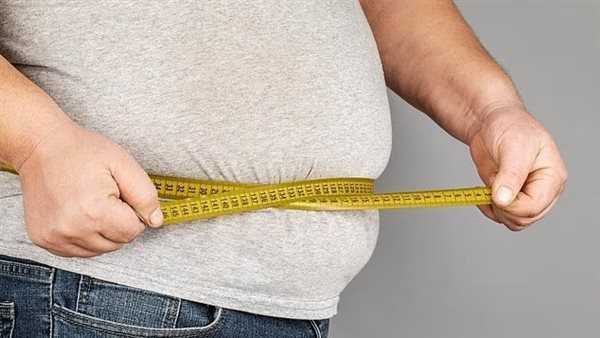
Experts warn that excessive salt intake may indirectly contribute to obesity by altering metabolism. High levels of sodium can lead to increased fructose production in the liver, which stimulates insulin and leptin resistance, thus increasing feelings of hunger and fat storage. In addition to eating processed foods and following a sedentary lifestyle, this metabolic shift may significantly increase the risk of weight gain.
The effects of excessive salt consumption on metabolism
According to what was published in Times Now, the relationship between obesity and salt intake may be more complex. When excess salt enters the body, it pulls some fluid with it, and there is an excess of fluid in the extracellular space as well as within the vascular space, which leads to weight gain. Excessive salt intake puts strain on the kidneys to filter sodium, and over time this increased effort may impair kidney function, which may cause diseases such as kidney disease. The kidneys also have difficulty maintaining fluid balance, which may lead to fluid retention and swelling. Kidneys, so maintaining a balanced salt intake is crucial for kidney health.
Health experts have indicated that consuming large amounts of salt leads to an increase in the concentration of salts in the body, which affects some enzyme systems in the liver. These enzymes work to enhance the conversion of glucose into fructose, which is a metabolic change that may affect how the body processes energy and stores fat. This indirect path indicates that excessive salt consumption may contribute to metabolic changes associated with weight gain.
According to doctors, when fructose levels rise and glucose levels decrease, the body’s cells may begin to feel as if they are not getting enough energy, and this may trigger a series of reactions that gradually lead to insulin resistance and leptin resistance. Leptin is the hormone responsible for feeling full and reducing hunger. When a person suffers from leptin resistance, he tends to eat more food, and his feeling of fullness decreases. Consequently, the patient tends to eat more food, and the amount of food he eats may increase.
At the same time, the liver and other tissues may begin to store more fat and produce more fat. Over time, these metabolic changes may contribute to the accumulation of more fat and an increased risk of obesity. Excessive salt intake may indirectly contribute to these processes by affecting fructose production and worsening insulin and leptin resistance.