

Thursday 26/March/2026 – 02:12 PM
Prices fell gold In the local markets and the global stock market during Thursday’s trading, with renewed fears of the continuation of the war in the Middle East, following Iran’s rejection of US President Donald Trump’s proposal for a month-long ceasefire and settlement plan, according to a report issued by the iSagha platform.
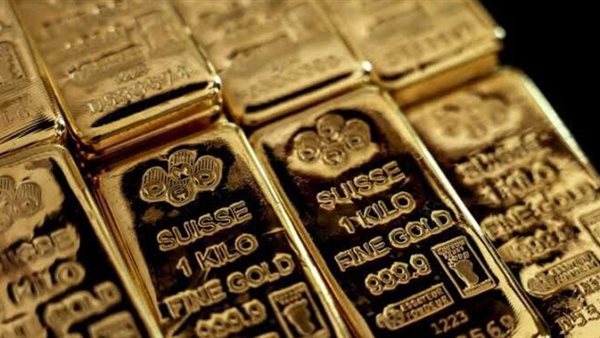
Saeed Embabi, Executive Director of the iSagha platform, said that gold prices fell by about 65 pounds, as the price of a gram of 21 karat gold recorded 6,785 pounds, and an ounce also fell by about 84 dollars to record 4,424 dollars.
He added that the price of a gram of 24 karat gold was about 7,754 pounds, the price of a gram of 18 karat gold was about 5,816 pounds, while the price of a gold pound reached about 54,280 pounds.
The ceasefire proposal and the American settlement plan
Gold prices fell on Thursday after two consecutive sessions of gains, as investors awaited clearer signs of progress in de-escalation efforts in the Middle East, the results of which may affect the global financial and monetary scene.
The precious metal was under pressure after a strong recovery during the past three days, with renewed fears of the continuation of the war in the Middle East, following Iran’s rejection of the ceasefire proposal and the American settlement plan.
US President Donald Trump said that Iran is seeking to reach an agreement to end about four weeks of fighting, which contradicts the statements of the Iranian Foreign Minister, who confirmed that his country is reviewing the American proposal but does not intend to hold negotiations to end the conflict.
It is likely that major movements will occur in the markets at the beginning of next week, with anticipation of whether the United States will move toward a ground military escalation against Iran over the weekend.
Brent crude prices
At the same time, Brent crude prices rose to exceed $100 per barrel, amid fears that continued fighting in the Middle East would disrupt global energy supplies, especially after the closure of the Strait of Hormuz, through which about a fifth of the world’s oil and liquefied natural gas trade passes.
High oil prices usually lead to increased inflation rates due to higher transportation and manufacturing costs. Although high inflation supports gold as a hedging tool, high interest rates in return negatively affect demand for gold as a non-yielding asset.
According to the Chicago Stock Exchange’s interest rate tracker, markets currently do not expect a rate cut by the Federal Reserve this year, while expectations before the conflict were for at least two rate cuts.
Increasing inflation expectations
In theory, geopolitical tensions support safe-haven gold demand, but rising oil prices and rising inflation expectations may prompt central banks to keep interest rates high for longer, limiting gold’s rise.
According to statements by Iranian officials, the American proposal to end the war included several provisions, including restricting the Iranian nuclear program and preventing uranium enrichment inside Iran.
In return, Iran offered counterconditions for ending the war, including: closing US bases in the Gulf, compensation for damage to Iranian infrastructure, lifting economic sanctions, and allowing Iran to maintain its missile program.
These developments indicate the continued state of geopolitical uncertainty, which makes the gold, oil and currency markets candidates for strong waves of volatility during the coming period.