

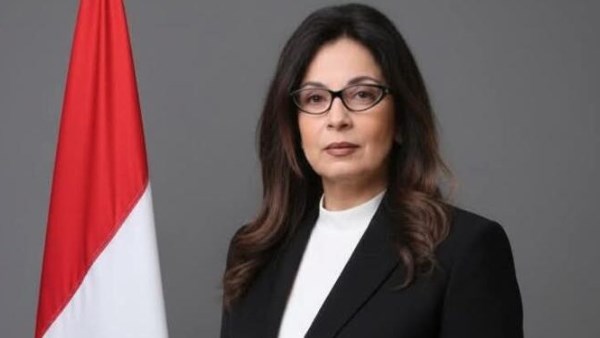
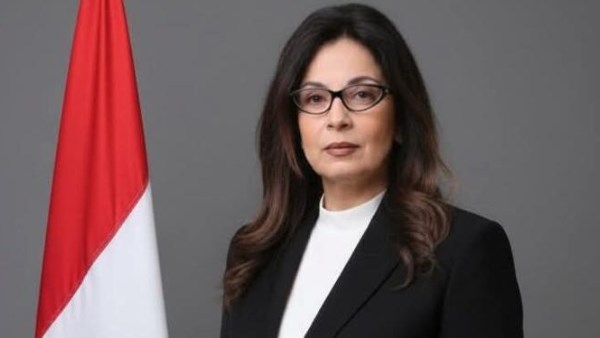
At a moment when the official cultural discourse seemed to need serious review, the speech of Dr. Jihan Zaki, Minister of Culture, during the meeting of the Culture and Information Committee of the House of Representatives, headed by Soraya Al-Badawi, yesterday, revealed a remarkable degree of awareness of the role of culture, not as a recreational or seasonal activity, but rather as a central tool in shaping collective awareness and building humanity.
The talk was not just a presentation of achievements or traditional plans, but rather seemed closer to an attempt to redefine the function of culture within the state, and link it directly to the concepts of identity, belonging, and societal cohesion.
This realization is clearly evident in the shift of the discourse from focusing on “activities” to focusing on “impact,” which is a qualitative shift that reflects a deep understanding of the crisis of cultural work in Egypt, where for many years activities remained confined to formal frameworks, without touching the true reality of the citizen. Hence, the minister’s emphasis on field follow-up can be read as an implicit acknowledgment of the existence of a gap between planning and implementation, and an attempt to bridge this gap by redirecting the compass toward the street.
The decisive tone that characterized the speech, especially in rejecting the “culture of paper reports,” reflects a new administrative trend that seeks to break the bureaucratic stagnation within cultural institutions, most notably the cultural deficiency. However, this proposal, despite its importance, puts the ministry before a real challenge related to the extent of its ability to transform this awareness into effective implementation tools, especially in light of the complexities of the administrative apparatus and the accumulation of its problems.
In a related context, the proposal of “cultural justice” stands out as a pivotal concept in the minister’s vision. It is a concept that goes beyond slogans to an attempt to build a data-based system, by creating an accurate information base for the beneficiary groups and locations of activities. This approach, if implemented seriously, may contribute to the redistribution of cultural resources in a more equitable manner, and ensure that the service reaches the areas most in need, instead of concentrating it in limited areas.
But the deepest challenge remains in how to measure “cultural impact,” which is a concept that is inherently complex and not directly measurable. When the minister talks about “building people” and “changing behavior,” she is putting forward long-term strategic goals that require innovative assessment tools that go beyond traditional numbers towards more accurate qualitative indicators.
On the other hand, the reference to reviewing some artistic works reveals the continuing state of tension between freedom of creativity and the requirements of censorship, which is a historical problem in the Egyptian cultural scene, and despite the attempt to present the matter within the framework of balance, it opens the door again to questions about the limits of state intervention in the artistic field.
As for the international dimension of the speech, it reflects an awareness of the importance of soft power, through seeking to re-present Egyptian culture globally, not only through participation in events, but through building an integrated mental image that reflects the depth and diversity of the Egyptian cultural product.
In general, the Minister of Culture’s speech reveals a shift in institutional awareness of the role of culture, and a move from the logic of “management of activities” to “management of influence.” However, this shift, despite the clarity of its features, remains dependent on the extent of the ability to translate it into realistic policies that touch people’s lives and restore culture to its true role as an effective force in shaping society.