
Sunday 22/March/2026 – 04:42 AM
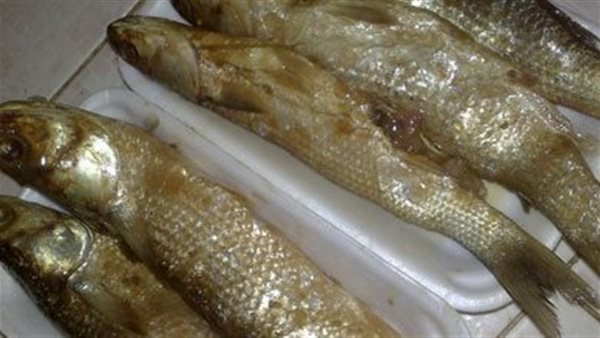
Dr. Hind Abbas Issa, a researcher in the Department of Nutrition and Food Sciences at the Food and Nutrition Industries Research Institute affiliated with the National Research Center, warned against excessive consumption of fesikh and herring during Eid al-Fitr celebrations, stressing that these foods, despite their connection to Egyptian traditions, represent a health risk when consumed in large quantities, because they contain high levels of salts and sodium.
The National Research Center warns: Feseekh is a silent danger threatening heart and blood pressure patients
She explained that feseekh may lead to fluid retention in the body, high blood pressure, and increased burden on the heart and kidneys, especially in patients with high blood pressure, heart and kidney disease, in addition to the possibility of causing digestive system disorders such as bloating and indigestion, noting that excessive consumption of these foods may lead to a feeling of extreme thirst as a result of the high salt content.
She advised the need to eat fesikh in moderation, reducing the quantities as much as possible, and following some healthy ways to reduce the sodium content, such as soaking it for a short time in water with lemon or vinegar added, and eating it with fresh vegetables such as onions, arugula, cucumbers and tomatoes. She also stressed the importance of drinking sufficient amounts of water, not less than 2 liters per day, to help reduce the effect of salts on the body.
She stressed that nutritional awareness and moderation in eating habits during Eid are the basic way to enjoy the occasion without exposing health to risks that can be easily avoided.