


Monday 16/February/2026 – 11:15 PM
Health experts have revealed a new and unconventional weapon to combat Parkinson’s disease Parkinson’s Parkinson’s disease, which is dancing that has transformed from just a means of entertainment into an effective medicine that slows the progression of the disease and improves the psychological and physical condition of patients.
Study: Dancing is a magical treatment for Parkinson’s disease patients
Doctors and researchers confirmed that dancing is not just random movements, but rather a complex activity that forces the brain to work harder to coordinate movement with music, which makes it superior to traditional exercises, such as walking or running, in improving mental abilities and balance.
According to the Canadian CBC, Dr. Alfonso Fasano, a neurologist at the University of Toronto, says that if exercise were a drug, it would be the drug most prescribed to patients, noting that dancing stimulates patients to move and raises the heart rate, which helps compensate for the lack of dopamine in the brain, which is the main cause of the symptoms of the disease, such as tremors and muscle stiffness.
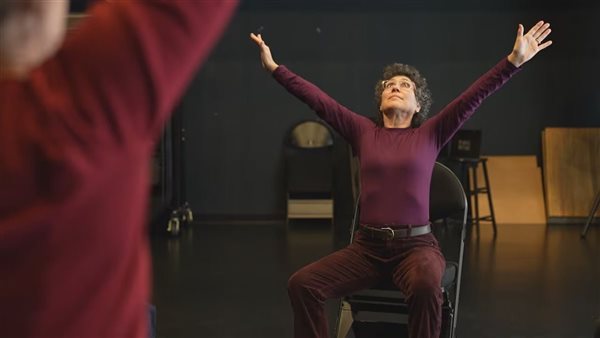
Barbara Salsberg Matthews, 67 years old, who was diagnosed with the disease in 2020, said that dancing made her feel like she was back to normal again, stressing that when she merges with music, she feels more free, and her lost movement flexibility returns as if the disease did not exist.
According to a study titled Dancing through time: Cognitive changes over six years of community dance in Parkinson’s disease by Dr. Joseph DeSouza, patients who regularly attended dance classes once a week over a period of 6 years showed significant improvements in cognition and maintained stability while walking compared to those who did not dance.
The benefits of dancing are not limited to the body only, but rather its impact extends to mental health, as social interaction in dance classes helps fight depression and isolation that affect Parkinson’s patients, and gives them a sense of belonging and participation in life instead of simply watching it pass by them, which is what made experts launch initiatives to link the arts to health and consider human communication an essential part of treatment.