
Monday 19/January/2026 – 02:13 AM
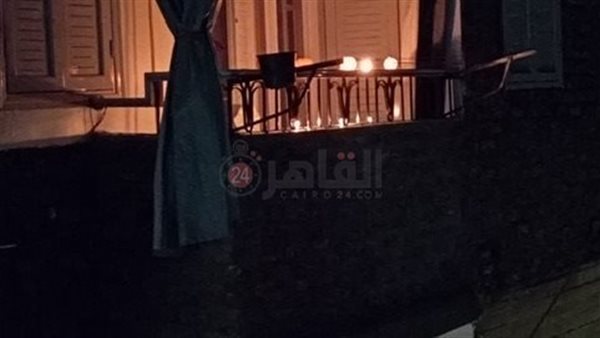
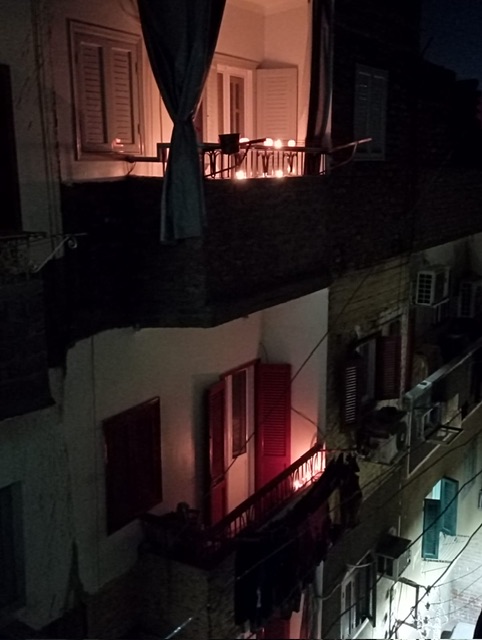
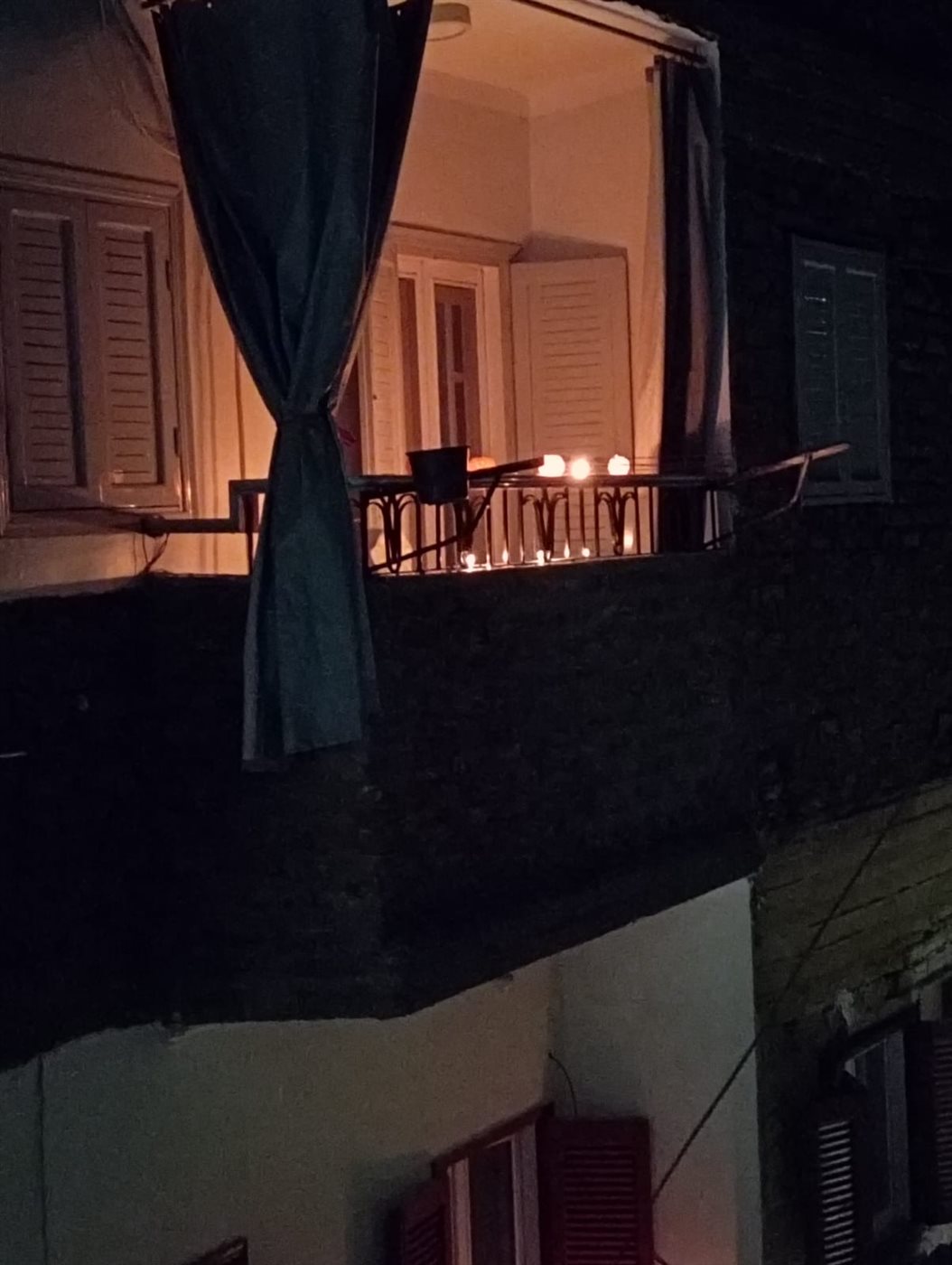
A state of joy and joy prevailed among the Copts of the governorate LuxorCoinciding with the celebration of the glorious Epiphany, church bells rang, announcing the start of prayers and masses, while the balconies of homes and city streets turned into a illuminated tableau with candles.
Reviving the heritage of “Balabisa”
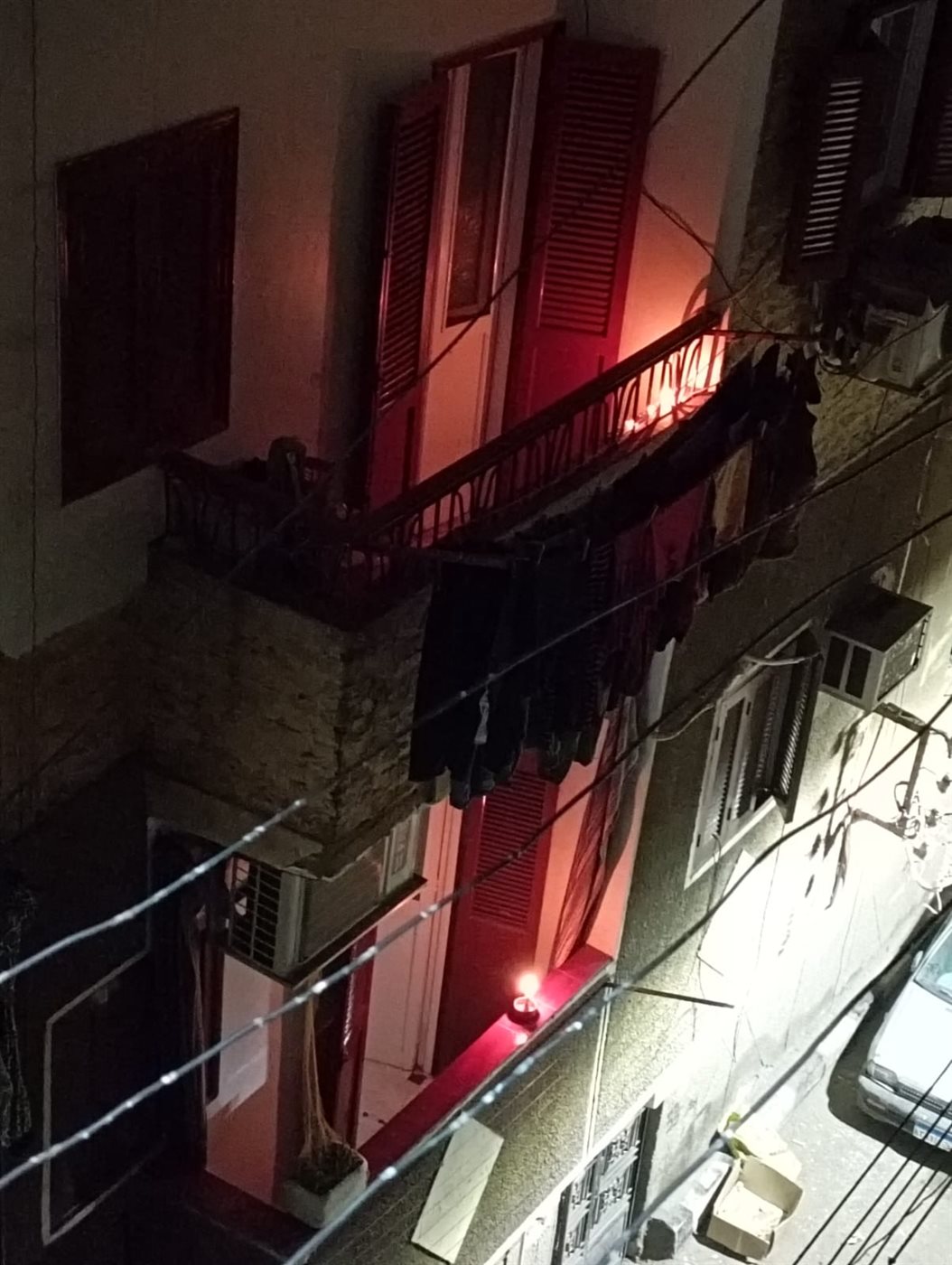
The people, in a scene that reflects adherence to their roots, were keen to revive the ritual of “balabaisa,” a word whose origins go back to the ancient Egyptian language and meaning “lit candles” or “bare candles.”
This tradition was evident in families making the “orange lantern,” which is a hollowed-out orange with a candle placed inside it, and crosses and Coptic decorations engraved on it. It is a tradition inherited from the ancestors that the people of Upper Egypt, especially in Luxor, are keen on.
Foods that have spiritual connotations
Luxor’s tables on this night were not devoid of foods folklorically and spiritually linked to the Epiphany, the most prominent of which were taro and cane.
Eating these foods is linked to religious symbols, as taro, which is buried in the ground and then brought out to become food, symbolizes baptism, as well as cane, which is distinguished by its white heart and sweetness, as a symbol of spiritual purity.
Popular songs light up the night in Luxor
The balconies of homes in various districts of Luxor were decorated with lighted candles, which the people were keen to light to celebrate the holiday.
Children and adults chanted the famous folkloric song that was associated with the people of Luxor on this occasion: “Your night, Balabisa… Your night is sweet and happy,” in a spontaneous expression of happiness at this holiday, which combines the religious ritual and the authentic Egyptian folk heritage.