


After long hours of fasting, the body is ready to receive energy, and it is… Blood sugar level Relatively low.
However, some wrong habits during breakfast may lead to a sudden and rapid rise in blood sugar, which causes feelings of lethargy, headaches, and possibly heart rhythm disturbances in some people, especially diabetics or those suffering from insulin resistance.
Breakfast mistakes that suddenly raise blood sugar
Dr. Hana Jameel, internal medicine and endocrinology consultant, revealed, through exclusive statements to Sada El Balad, the most prominent breakfast mistakes that suddenly raise blood sugar, and how they can be avoided in a simple way.
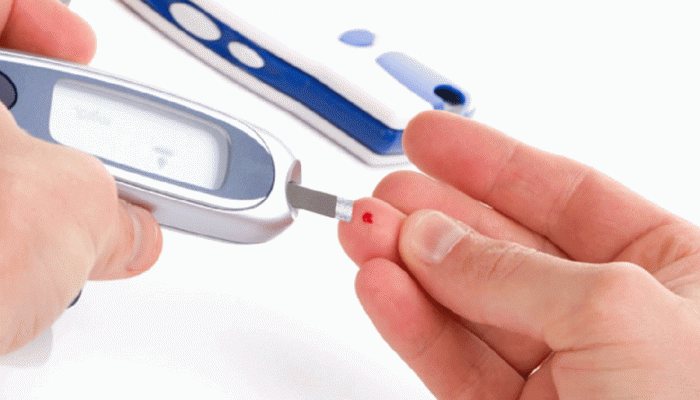
1. Breakfast includes a large amount of sweets
The most common mistake is to start breakfast with a large piece of kunafa, qatayef, or basbousa. Ramadan sweets contain high levels of sugar and fat, which leads to a rapid rise in blood glucose levels, followed by a sudden drop due to excessive insulin secretion.
The result? Feeling tired and wanting to sleep immediately after breakfast.
2. Drink sweetened juices instead of water
Some people believe that natural juices are a healthy option, but adding sugar to them or consuming them in large quantities causes a rapid rise in blood sugar. Even natural juices without sugar, when consumed by a large glass on an empty stomach, may raise glucose quickly because they lack fiber, which slows absorption.
It is best to start with water, then eat the whole fruit instead of juicing it.
3. Excessive consumption of dates
Dates are a prophetic tradition and an excellent source of energy, but they are rich in natural sugar. Eating 3 dates is appropriate, but some people eat 6 or 7 at once, which raises the sugar level quickly, especially for diabetics.
Moderation is the solution, and one to three dates is enough to break the fast.
4. Skip the soup and start with the main course

Going straight into a plate full of rice, pasta, or white bread causes a spike in sugar, because these carbohydrates are quickly absorbed. Light soup helps prepare the stomach and slow down the pace of eating, which contributes to stabilizing glucose levels.
5. Eat large quantities at once
After hours of hunger, some people tend to eat quickly and in large quantities. This method does not give the body the opportunity to gradually regulate insulin secretion, so blood sugar rises suddenly. Dividing breakfast into two phases helps reduce this effect.
6. Relying on white starches
White rice, white bread, and pasta made from refined flour are all quickly absorbed carbohydrates. Eating it in large quantities without protein or vegetables leads to a rapid rise in blood sugar.
It is preferable to combine starches with a protein such as chicken or meat, and add a salad dish rich in fiber to reduce the speed of absorption.
7. Neglecting protein
The absence of protein in breakfast makes the absorption of carbohydrates faster, and thus blood sugar rises quickly. Protein slows down the digestion process and makes you feel full longer.
What happens after a sudden spike?
A rapid rise in blood sugar is often followed by a sudden drop, causing:
- headache
- Lethargy
- sweating
- A strong desire to eat more sweets
This creates a vicious cycle of fluctuations in glucose levels.
How to break your fast in a balanced way?
- Start with one or two dates and water
- Eat light soup
- Choose a balanced dish that contains protein and vegetables
- Reduce sweets and have them an hour after breakfast
- Eat slowly