

Monday 09 March 2026 – 03:55 PM
A message was leaked Email It was said that it belonged to a cancer patient in the city of Adelaide, and there was widespread controversy in South Australia, after it was later revealed that the message belonged to another person with the same name, which prompted Health Minister Chris Picton to offer an unconditional apology for the incident.
Australian Health apologizes after accidentally leaking cancer patient data
According to what was published by Abc News, the details of the case go back to statements made by Bronwyn Patterson, a mother from Adelaide, during which she spoke about the last hours in the life of her late partner Stephen James King, who died in 2025 after suffering from cancer in its late stages, confirming that he spent part of his last hours waiting for an ambulance before being taken to the hospital.
After the story circulated, the Office of the Minister of Health issued an email to the media that included praise for the health system in the state, and the government indicated at the time that the letter was written by Patterson’s late partner, before later acknowledging that an error had occurred, explaining that the email belonged to another person with the same name.
Circumstances of the message leak
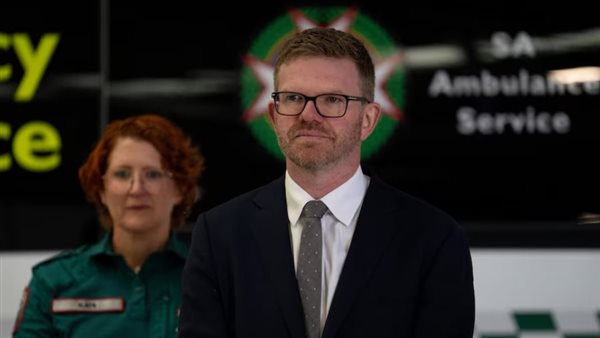
Minister Chris Picton said that what happened was the result of a very wrong assumption, explaining that the message was not from Patterson’s partner as he initially thought, stressing that he bears full responsibility for publishing it, and offering an apology to Ms. Patterson and to everyone who felt offended by the incident.
For his part, State Prime Minister Peter Malinauskas insisted that the Minister of Health remain in his position, stressing that he did not see the need for his resignation, despite his acknowledgment that not verifying the existence of two people with the same name before publishing the letter was not good enough.
On the other hand, the opposition in the state described the incident as extremely horrific, considering that publishing emails belonging to patients without obtaining their permission is unacceptable, demanding the opening of an expanded investigation to find out the circumstances of the leak of the message and how the error occurred.