
Egypt is doing a great deal with Sudan, but will the automated slaughterhouses and tanneries that will be operating in Sudan be operated under joint management or will each country be on its own? And how will it be ensured that the added value goes into Sudan and does not just export raw materials in a different way? Is there a clear timetable for establishing veterinary medicine and fertilizer factories, or is the topic still open? Will this cooperation affect the prices of meat and hides in the Egyptian market in a positive way?
The train of successes continues and does not intend to stop, and Egypt is confirming day after day that its regional role is not just talk, but work on the ground and real agreements that serve the peoples of the entire region. The last important step in this direction is Egypt’s strong moves to enhance industrial and commercial cooperation with Sudan, through the establishment of modern automated slaughterhouses and advanced tanneries, as well as veterinary medicine and fertilizer factories inside Sudanese lands.
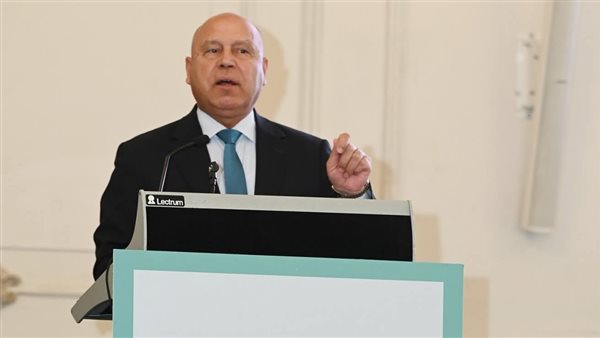
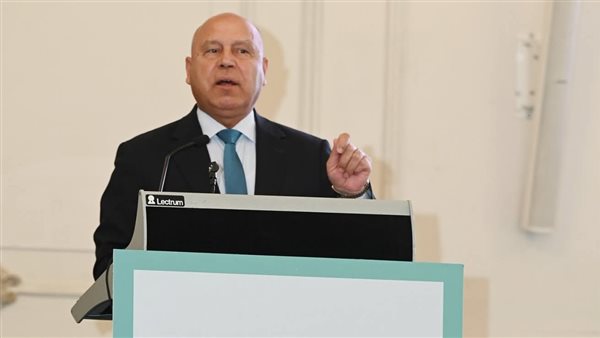
This came in an important meeting that brought together the team, Engineer Kamel Al-Wazir, Minister of Industry and Transport, with the Sudanese Minister of Industry and Trade, Mahasen Ali Yaqoub, in the presence of the Sudanese Ambassador in Cairo and a number of leaders of the Ministry of Industry.
This meeting was not a courtesy or a protocol visit, but it was a real working session aimed at how the two countries can achieve joint gains from their resources and capabilities.
The message was clear: Egypt is opening its hands to its brothers in Sudan, and considers cooperation with them a priority, especially in the fields of industry and trade, because what links the two countries is not just geography, but a common history and destiny. The basic idea that was discussed was industrial integration, meaning every country takes advantage of the advantage it has.
Sudan has a huge abundance of raw materials, especially livestock and hides, and also has available labor force, while Egypt has great industrial experience and successful experiences in establishing and operating projects.
From here came the proposal to establish modern mechanized slaughterhouses and tanneries in Sudan, instead of raw materials coming out without added value, that is, instead of exporting raw livestock or hides, they are slaughtered, manufactured and processed there, with a higher value, a greater return, more job opportunities for the Sudanese, and a joint economic benefit for the two countries. This is a model that Egypt has successfully applied before in countries such as Chad and Tanzania.
Not only that, the meeting also discussed cooperation in the field of pharmaceutical industries, specifically the establishment of factories to produce veterinary medicines inside Sudan, in coordination with the Chamber of Pharmaceutical Industry in Egypt. This step is very important to support the livestock sector, reduce dependence on imports and provide medicines at reasonable prices… There was also a proposal to establish fertilizer factories in Sudan, after preparing joint feasibility studies, with the aim of supporting agriculture, increasing production and achieving real integration in production chains between the two countries.
One of the important aspects that was raised was the readiness of the Egyptian Ministry of Industry to provide technical and training support, through training centers, technological centers, and quality and specifications bodies, so that the transfer of experience is complete, not just investment and salvation, and also to integrate Sudanese products into the Egyptian exhibition system, and allocate permanent exhibition spaces for them, so that they will find real marketing opportunities.
I mean, in the end, what is happening is a real partnership, not on paper, and a smart step in which Egypt and Sudan win together, and transform resources into opportunities, and cooperation into development, and ensure that the Egyptian success train is complementary and profitable not only for Egypt, but for all its brothers.