
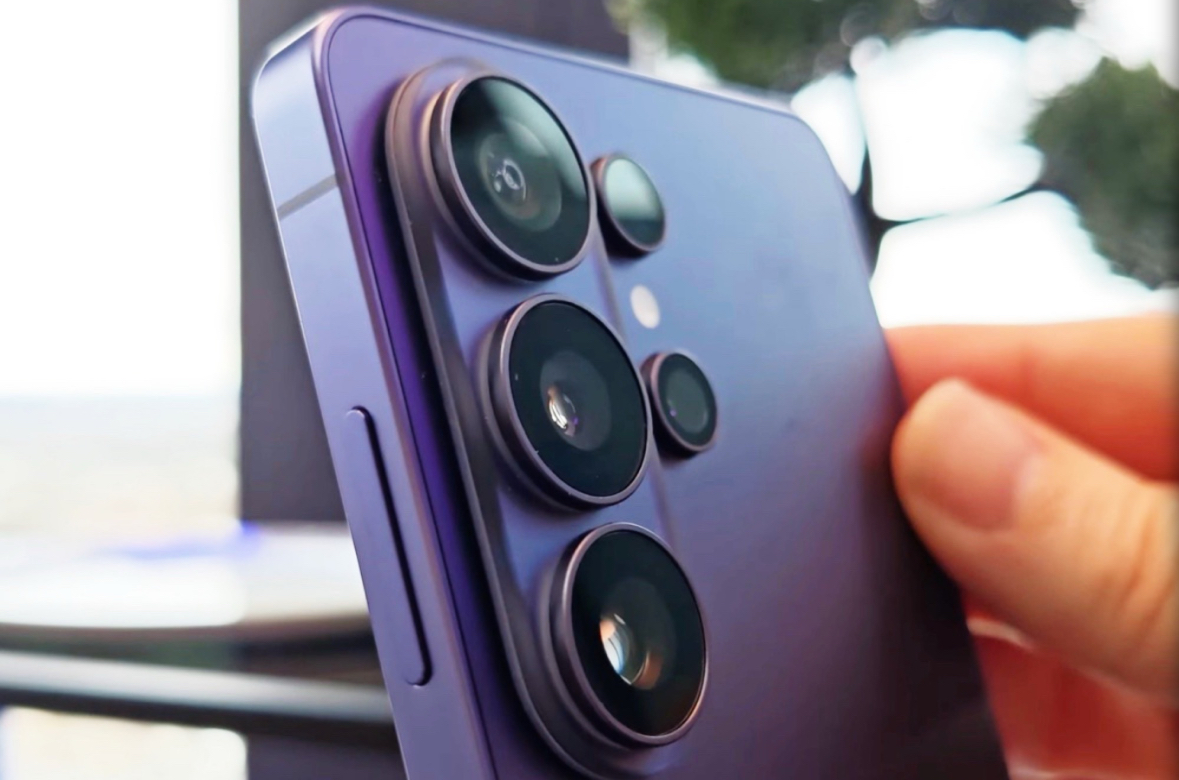
The Samsung Galaxy S26 Ultra phone received some improvements in the camera system compared to the previous generation, while maintaining the same number of rear cameras of four cameras, as was the case in the Galaxy S25 Ultra.
The 50-megapixel wide camera with f/1.9 lens aperture and 1/2.5-inch sensor continues without significant changes. Samsung also retained the 10-megapixel telephoto camera with 3x optical zoom, f/2.4 lens aperture, and the small 1/3.94-inch sensor.
In contrast, the 200-megapixel main camera with a 1/1.3-inch sensor gets an important improvement in the form of a faster lens with an f/1.4 aperture.
According to Samsung, this lens allows up to 47% more light to pass through than the previous generation, which helps improve image quality, especially in low-light conditions.
The company also developed a 50-megapixel Periscope telephoto camera with a 1/2.52-inch sensor and an f/2.9 aperture lens.

This camera uses a more compact ALoP unit, which helps produce a more natural bokeh effect, where backlights appear circular instead of square. However, the minimum focusing distance has increased to 52cm.
According to DxOMark tests, the most significant improvements appear in two main areas. First, the main camera is now able to capture more detailed images with reduced noise in low light, which reflects the effectiveness of the faster lens. Secondly, skin color accuracy has noticeably improved in low-light conditions compared to the previous generation.
Despite these improvements, the report indicates that the main camera in the iPhone 17 Pro still provides a higher level of detail with less noise in images.
The test also pointed out some observations on the Galaxy S26 Ultra camera, such as the autofocus being sometimes inaccurate when photographing faces, in addition to the fact that the bokeh effect simulation does not always work perfectly, which may lead to the appearance of some visual defects in the images.