
The date for disbursing salaries for April 2026.. The government is preparing to start disbursing salaries for the month of April 2026, in light of widespread anticipation for the announcement of new increases in wages and the minimum, as part of a social package aimed at improving the standard of living and supporting the most needy groups.
The date for disbursing salaries is April 2026
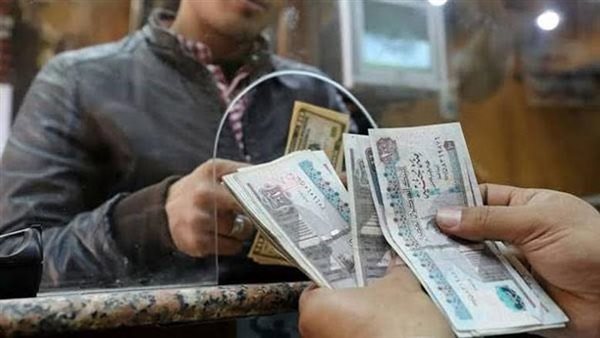
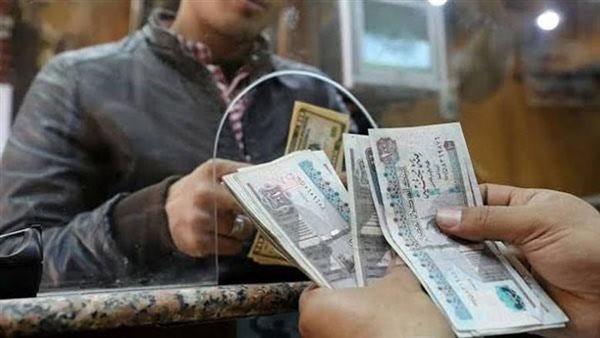
Government sources confirmed that Disbursement of salaries It will start on April 23, 2026, through ATMs, with salaries available through various means to reduce overcrowding, including:
ATM machines
Post offices
Fawry machines
E-wallets and “Meeza” cards
Expected increases in the minimum wage
Dr. Mostafa Madbouly announced that the details of the minimum wage increase will be revealed in conjunction with the presentation of the draft general budget on March 31, 2026, with the increases being implemented with the new fiscal year in July, with a focus on supporting teachers and workers in the health sector.
Features of the new social package
The cost of the social package exceeds 40 billion pounds, and includes:
Direct cash support to about 15 million families in two batches
3 billion pounds for treatment at state expense
3 billion to end waiting lists
More than 3 billion to implement comprehensive health insurance in Minya Governorate
4 billion to support farmers
15 billion pounds to accelerate “Decent Life” projects
Current minimum wage
Premium class: 13,800 pounds
High class: 11,800 pounds
General Manager: 10,300 pounds
First class: 9,800 pounds
Second class: 8,500 pounds
Third class: 8,000 pounds
Fourth class: 7,300 pounds
Fifth class: 7,100 pounds
Sixth class: 7,000 pounds
It is expected that these values will be adjusted after the approval of the 2026/2027 budget.
Presidential support and moves to confront challenges
These measures come in implementation of President Abdel Fattah El-Sisi’s directives to enhance social protection and improve workers’ incomes, in parallel with maintaining financial stability.
The government is also focusing on supporting teachers and developing education, in addition to implementing an economic plan to confront global challenges, which includes rationalizing energy, improving resource management, maintaining market stability, and ensuring the continued production of subsidized bread at rates of up to 270 million loaves per day.