
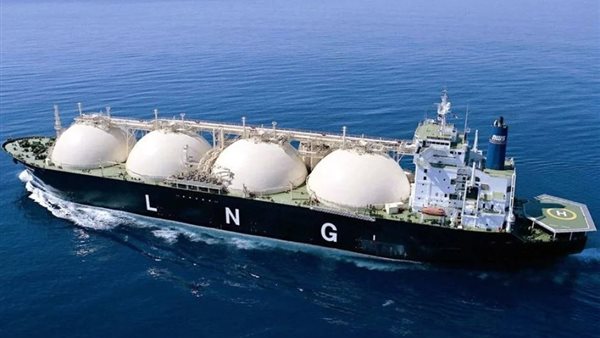
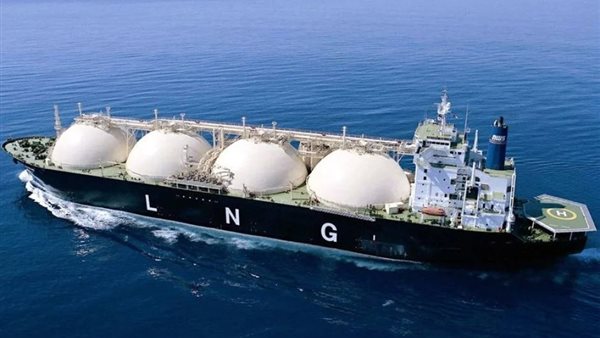
Despite the outbreak of war in Iran and the turmoil it imposes on global energy markets, the Moroccan Minister of Economy and Finance, Nadia Fattah Al-Alawi, confirmed that Morocco stands in a position of preparedness, armed with preventive mechanisms to protect its economy and the most affected groups.
Oil prices are putting pressure on Morocco
Speaking to the French channel BFM, the minister explained that Morocco, as part of global supply chains and a full importer of fuels, is aware of the scale of the challenges, but is prepared for any potential impacts.
Despite the geographical distance from the epicenter of the conflict, the rise in oil prices is imposing itself on the Moroccan economy, which spent about 11.5 billion dollars last year to secure its needs for refined petroleum products.
Al-Alawi stressed that the Kingdom enjoys a flexible economy, important reserves of hard currency, in addition to an energy mix that is gradually moving towards enhancing the share of renewable energies. Data from the Bank of Morocco indicate that international reserves are approximately $48 billion, which is enough to cover imports of basic goods and services for about five months.
The government is betting on reserves and stability
But the reality check began quickly. In the current year’s budget, the government approved a price for a barrel of oil at $65, while it is currently trading above $80. The minister acknowledged that the country is already facing this rise, stressing that the impact of gas, which is mainly consumed by families, can be contained thanks to the strength of public finances, expressing her hope that the crisis will be short-lived.
The markets did not wait long. During the first two days of the week, the Moroccan Stock Exchange witnessed a sharp decline of about 10% due to a wide wave of selling, before it reduced its losses with a slight increase in the Wednesday session. The developments were also reflected in gas stations, where the prices of diesel – the most widely consumed – rose to close to $1.27 per liter, in a proactive step by fuel distributors in anticipation of upcoming shipments amid weak local stocks.
The experience of 2022 is still fresh in mind, when oil prices jumped due to the Ukraine war, pushing inflation in Morocco to record levels and affecting the purchasing power of families and corporate profit margins. Today, everyone is waiting to see whether a new wave of rising energy will restore inflationary pressures.
Despite all this, the Minister confirms that Morocco’s attractiveness to foreign investors has not been affected, based on the macroeconomic stability and industrial dynamism that the country is witnessing. Between caution and confidence, Morocco proceeds with a careful balance between external shocks and internal solidity.