
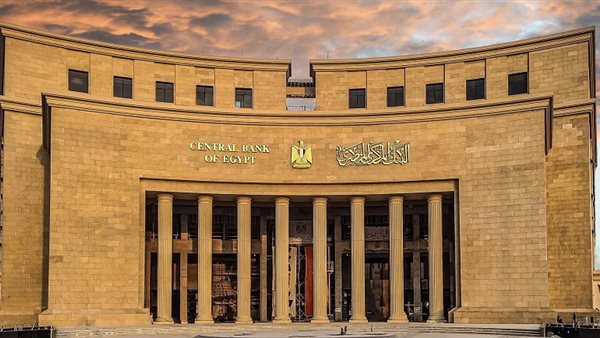
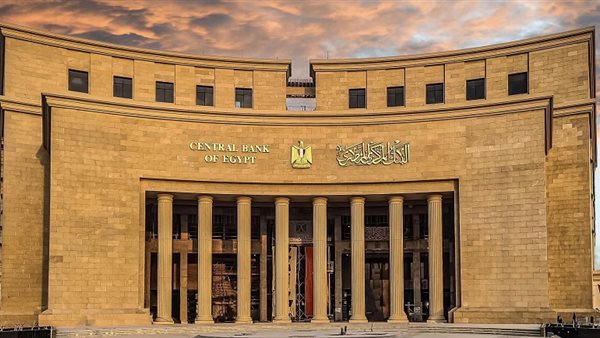
Attention is turning to the upcoming meeting of the Central Bank of Egypt, amid widespread expectations for stabilizing interest rates, in light of the escalation of geopolitical tensions in the region, and the inflationary pressures and uncertainty they impose on the economy.
A poll conducted by CNBC Arabia, which included 11 analysts and economic experts from local and international institutions, revealed that the majority of participants agreed that the central bank will tend to keep interest rates unchanged during its next meeting, in its second meeting in 2026.
Monetary caution in the face of inflation
Analysts believe that the stabilization decision reflects a cautious approach on the part of the Central Bank, to monitor the repercussions of the current war on prices, especially after the inflation rate rose to 13.4% last February.
The Central Bank had reduced interest rates by 1% in its previous meeting, to 19% for deposits and 20% for lending, but recent developments have pushed expectations towards a temporary halt to the monetary easing cycle.
War puts pressure on prices
It is estimated that the war in the region represents an “external shock” to the Egyptian economy, as it contributed to the rise in fuel prices, which in turn was reflected in the cost of basic goods and services, which will enhance inflationary pressures during the coming period.
The rise in global energy prices also increases the import bill, which represents an additional burden on the economy, at a time when the country seeks to control price levels.
Trend for installation until the end of the year?
A number of experts expected the stabilization policy to continue for a longer period, which may extend until the end of 2026, if geopolitical tensions continue, with the aim of maintaining market stability and the attractiveness of indirect foreign investments, known as “hot money.”
They also indicated that any return to rate cuts will remain dependent on the decline of inflationary pressures and the stability of regional conditions.
Alternative scenario: rate hike
Despite the likelihood of stabilization, some analysts did not rule out the central bank resorting to raising interest rates later, if inflation accelerates to levels exceeding 20%, or if the pound is exposed to further pressure.
Challenges to inflation targets
Experts believe that achieving the Central Bank’s target of reducing inflation to a range of 5% – 9% by the end of the year has become more difficult, in light of the continuing war, which led to a partial exit of foreign investments from debt instruments, in addition to the rise in the cost of importing energy.