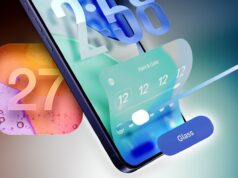

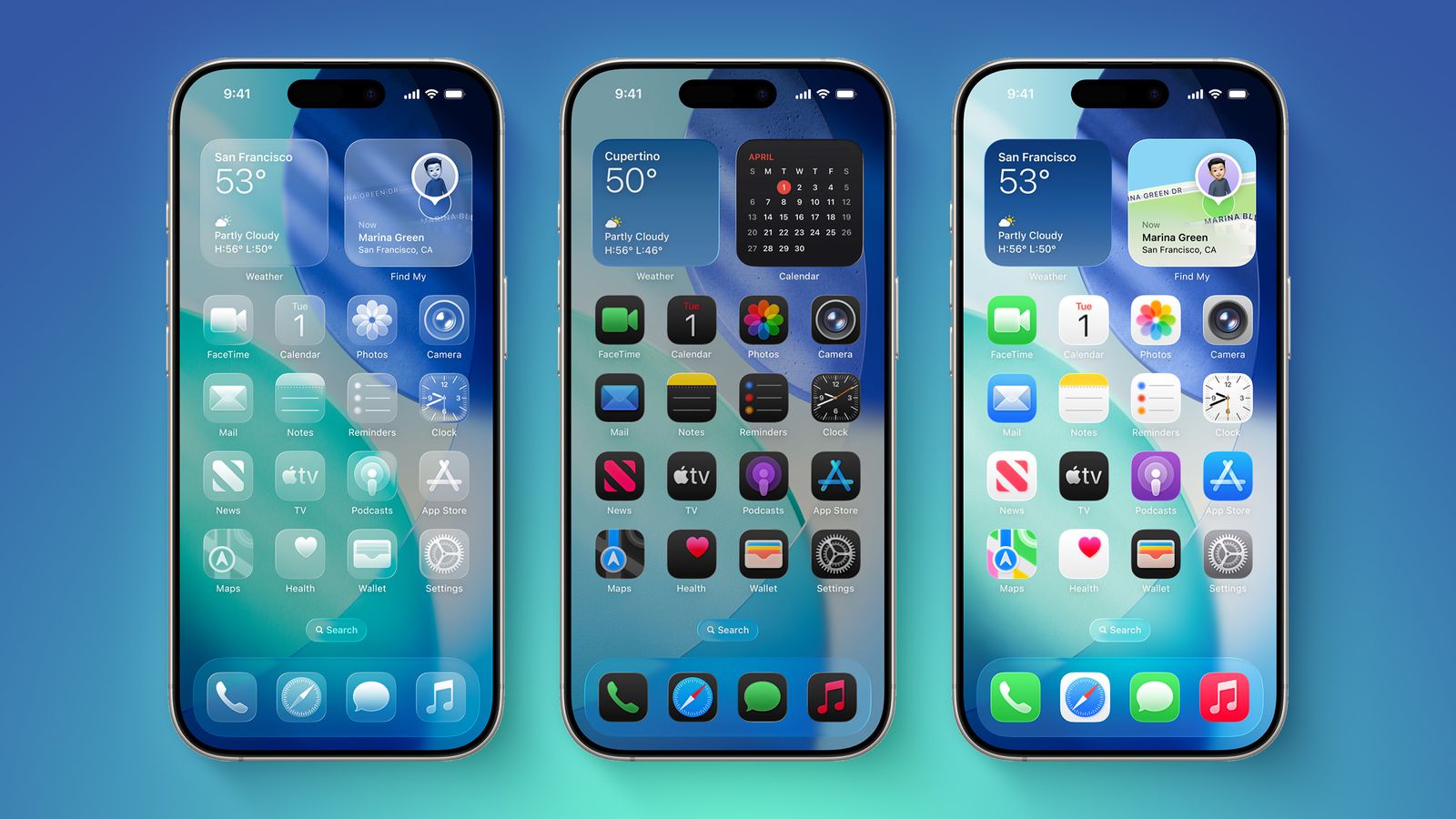
It seems that the new Liquid Glass interface that Apple launched via iOS 26, macOS Tahoe, and other recent software platforms will remain with us for a long time. The latest technical leaks indicate that Apple does not plan to make any major design modifications or radical changes to this innovative interface in the upcoming iOS 27 and macOS 27 versions, thus settling on its current visual identity.
The leaks revealed that the latest internal and test versions of these systems do not include any major changes to the design language. She explained that the company’s new head of software design, Steve Lemay, was the main driving force behind the innovation of the Liquid Glass design, and he participated extensively in all stages of its development to come up with its current image.
This creative designer began his career with Apple in 1999, and recently assumed his new position, succeeding designer Alan Dye, who left the company to work at Meta late last year. Under his current leadership, experts are likely to focus on improving and developing the interface gradually and quietly, which is the same successful approach it took previously with iOS 7 when it abandoned realistic designs in favor of flat design and developed it over the years.
Apple has already provided its phone users with some great customization options for this interface through previous software updates. The iOS 26.1 update saw the addition of the Tinted option, which increases the opacity of elements across the entire system, while the iOS 26.2 update brought a practical slider that allows users to adjust the level of transparency and opacity of the interface specifically for the Lock Screen clock to suit their personal tastes.
Apple initially worked to develop a comprehensive slider that covers the entire system in iOS 26, but faced complex engineering challenges when trying to expand its scope to include all interface elements. Despite these technical obstacles that temporarily halted the project, the leaks indicated the possibility of developers returning to the planning table to solve these problems, which opens the door to the possibility of seeing this comprehensive bar working efficiently in the upcoming iOS 27 system.