

Saturday 28/March/2026 – 02:14 AM
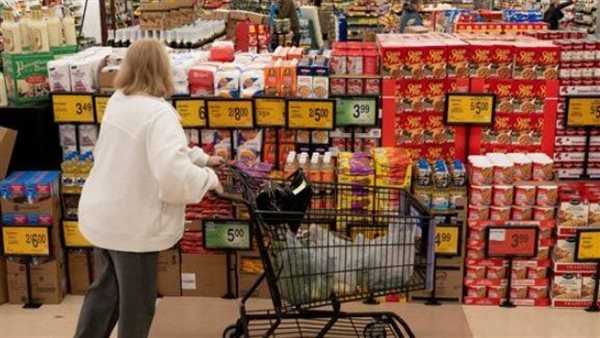
Reuters reported in a report that consumer sentiment and confidence in the United States of America recorded a greater decline than expected during the month of March, reaching its lowest level in three months, amid growing concerns about the repercussions of tensions in the Middle East on inflation and economic growth.
This decline came in light of the continuing war between the United States of America and Israel on the one hand and Iran on the other, which led to a rise in global oil prices by more than 50%.
Data from the American Automobile Association showed that retail gasoline prices rose by about a dollar to an average of $3.98 per gallon.
In contrast, the S&P 500 index fell by 6.7%, reflecting additional pressures on consumer confidence and financial markets.
Labor market and GDP growth
Although the relationship between consumer sentiment and spending levels is not always strong, rising fuel costs and declining stocks, coupled with a slowdown in the labor market, may lead to a reduction in consumer spending and negatively affect the pace of economic growth, and high-income families were the main driver of spending, benefiting from strong wealth levels.
For his part, Gus Foucher, chief economist at PNC Financial Services, said that consumer sentiment had previously declined to low levels during 2022 with inflation reaching its highest levels in decades, but the economy showed resilience supported by the strength of the labor market and gross domestic product growth.
He added that if the conflict continues and gasoline prices rise during the summer season, coinciding with the decline in markets, consumers may tend to reduce their spending, which may hinder economic growth.
In the same context, the University of Michigan reported that the consumer morale index fell to 53.3 points during March, compared to 55.5 points previously, which is lower than the expectations of economists in a Reuters poll, which indicated that the index fell to 54 points.