


Wednesday 18/March/2026 – 04:15 PM
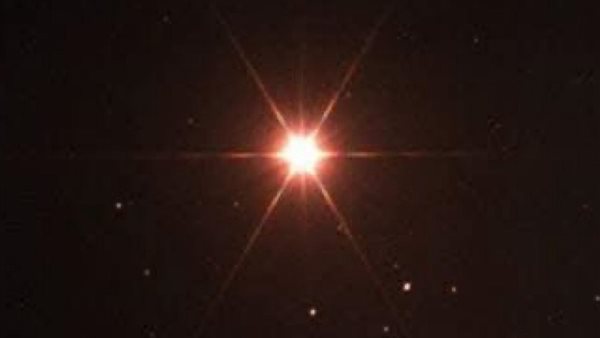
On the evening of Wednesday, March 18, 2026, residents of the Arab world will observe the orange-sparkling star of the spearfish on the eastern horizon at approximately 9 pm local time in preparation for the approaching spring equinox at the end of the week, noting that its exact appearance time may vary slightly depending on the geographical location, according to the Astronomical Society in Jeddah.
An orange star decorates the night sky
This star is distinguished by its distinctive yellow-orange color, and it appears to sparkle violently when it is close to the horizon. This is the result of the star’s light passing through dense layers of the Earth’s atmosphere before it reaches our eyes, which explains the vibration and sparkling that gradually disappears as the star rises in the sky.
The fourth brightest star in the sky
The spearfish represents the shepherd in the Howler constellation, and reaches its highest height in the sky around midnight, depending on the geographical location, and shines high in the sky even before dawn.
The starfish is considered the fourth brightest star in the sky after Sirius, Suhail star, and Alpha Centauri, and it appears clearly in the sky of the northern hemisphere throughout the year, which makes it a distinctive star not only for its brightness but also for its location in the sky.
The appearance of the spearfish in the evening sky in mid-March has traditionally become a welcome sign for residents of the Northern Hemisphere with the arrival of spring or the first day of the vernal equinox, after which the length of the day begins to increase over the night. However, it is important to emphasize that the star itself has nothing to do with the seasons of the year. It appears and disappears according to the movement of the Earth around the sun and has no direct effect on the seasons of the year.
Like any other star, Rampart rises about four minutes earlier every day as a result of the Earth’s movement in its orbit around the sun. As it advances, it gradually appears at sunset, which makes it easier to see in the evening each week and confirms the connection of its appearance with the timing of the spring equinox in the northern hemisphere.
With its brilliance, orange color, and location in the sky, the spearfish remains a beautiful natural landmark and an astronomical landmark that observers can rely on to determine the times of night and the vernal equinox, knowing that its association with spring is based on temporal coincidence only and has no effect on the change of seasons.