

Monday 29 December 2025 – 05:16 AM
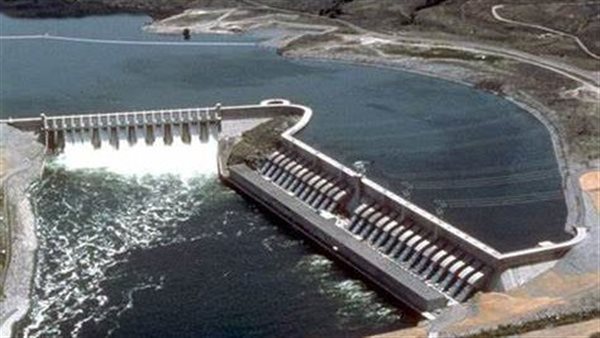
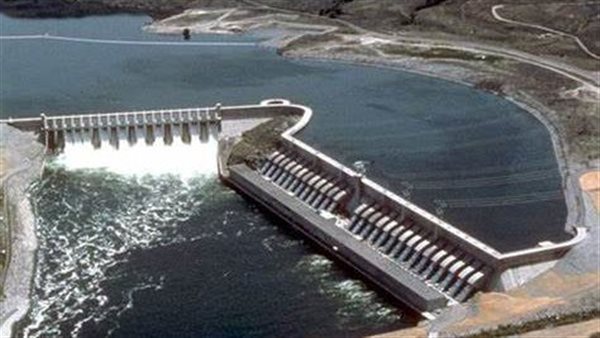
Dr. Badr Abdel Ati confirmed, Minister of Foreign AffairsThe Ethiopian dam file occupies a top priority in Egyptian foreign policy, as it is an existential issue that affects the survival of the Egyptian state, stressing that Egypt will not be lenient or lenient in its water rights under any circumstances.
Abdel Ati: The negotiating track with the Ethiopian side has reached a dead end
Abdel Ati explained, during television statements, that the negotiating path with the Ethiopian side has reached a dead end after more than 13 years of negotiations without real seriousness, stressing that continuing new negotiations in the previous manner has become futile.
The Minister of Foreign Affairs indicated that Egypt is moving according to a comprehensive approach that was approved at the highest level in the country, which includes the use of all political, legal, diplomatic and economic tools to defend its water rights, based on the rules of international law and the principles of not causing harm and prior notification.
Abdel Aty stressed that any harm that befalls Egypt as a result of the unilateral operation of the Renaissance Dam gives it, in accordance with the United Nations Charter, the full right to take appropriate measures to defend its water security, pointing out that the state does not, of course, disclose the details of all available options, but it always moves within the framework of international legitimacy.
In the same context, he stressed that Egypt is working to reposition its role in the Nile Basin, while strengthening relations with the countries of the southern basin, explaining that Cairo has approved 34 water and development projects in these countries, and has established for the first time a financing mechanism from the Egyptian budget to support these projects, which reflects its commitment to joint development and not harming any party.
Abdel Aty revealed an important positive development within the Nile Basin Initiative, which is opening the framework agreement for renegotiation and introducing amendments through additional protocols, with the aim of achieving consensus with the countries that did not sign or ratify it, led by Egypt and Sudan, describing this as an “important political and diplomatic victory.”
The Minister of Foreign Affairs concluded by stressing that Egypt monitors on a daily basis everything related to the actions of the Renaissance Dam, and that it is keen on its historical relations with the Ethiopian people, explaining that the crisis is not related to the people, but rather to unilateral actions that threaten the interests of the two downstream countries, Egypt and Sudan, stressing that any sustainable solution must be based on a binding legal agreement that guarantees water rights and protects the future of more than 110 million Egyptians.