
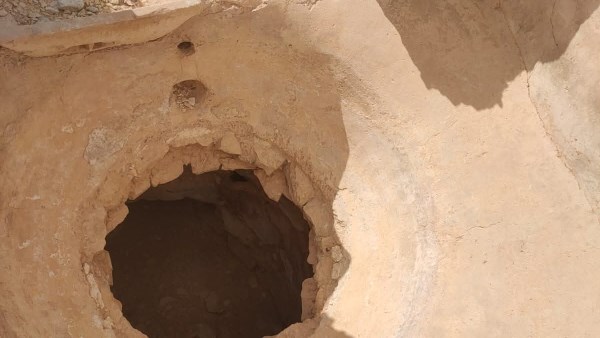
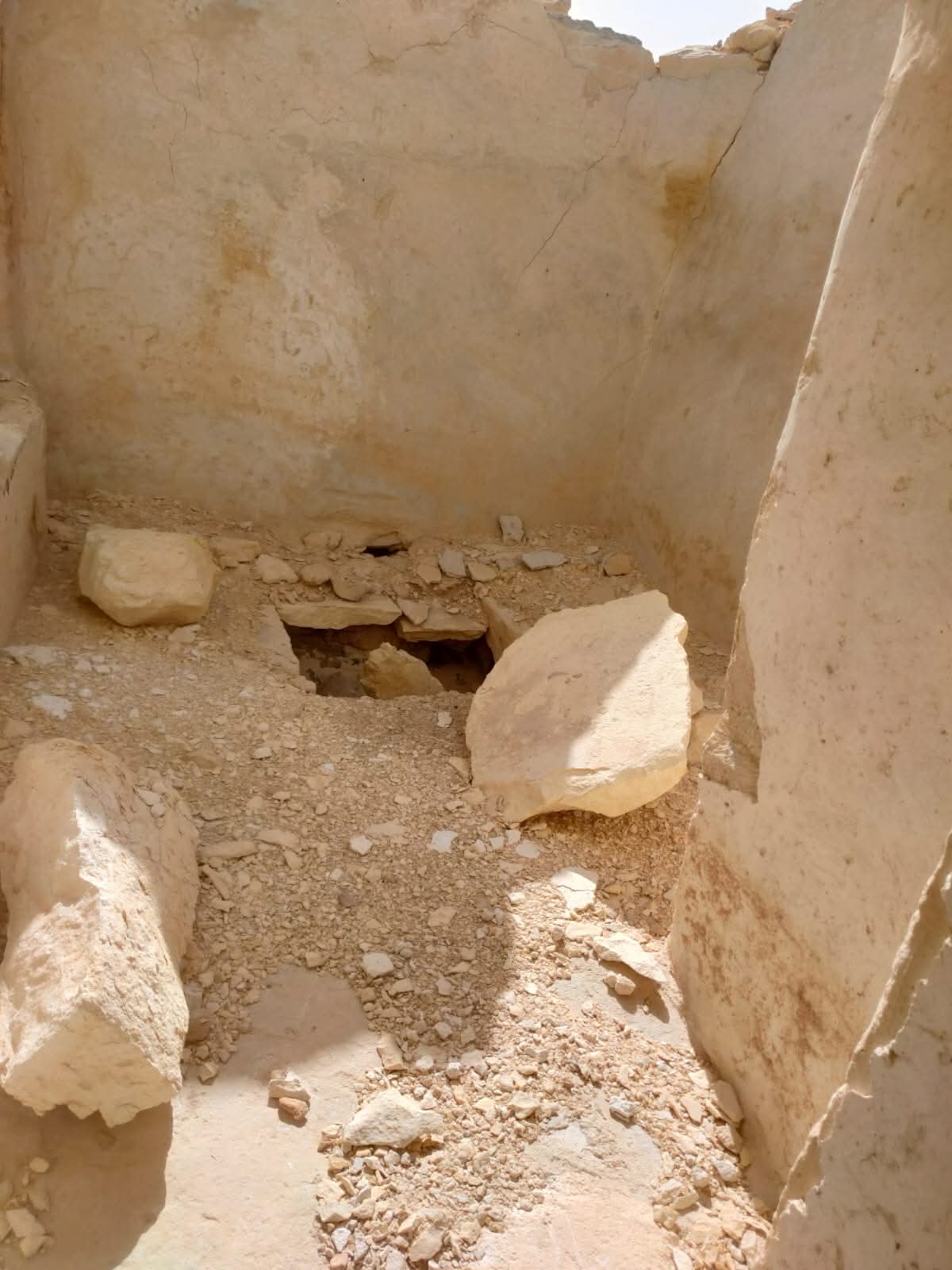
A source in the South Sinai Antiquities District denied what was recently raised about the presence of trespassing or secret excavations inside the Soldier’s Castle, stressing that the visible damage to some parts of the site, including the breakage of one of the tiles, is due to weather and natural factors whose effects have accumulated over years, from strong winds, torrential rains, and climate fluctuations that affected the floors of the internal facilities. And the fences External.
An official source in the region explained, in a statement in response to what was published by the Campaign to Defend Civilization regarding monitoring destruction of the citadel and neglect in the Ayoun Musa area, that the condition of the citadel is documented in periodic reports that are submitted to the competent authorities, and that there is no evidence of recent trespassing on the site.
The source indicated that the concerned authorities reviewed the technical reports on the castle and confirmed that the broken slab shown in the pictures was caused by natural impacts on the site’s floor in general, and not as a result of human intervention. A joint committee was formed from the Antiquities District and the Restoration Department to inspect the site, and a report of the results was drawn up, and coordination is underway to implement the technical recommendations necessary to preserve the integrity of the castle.
On the other hand, the Campaign to Defend Civilization stressed that the images circulating reflect a deterioration in the general condition of the site, demanding that the castle be included among the priorities.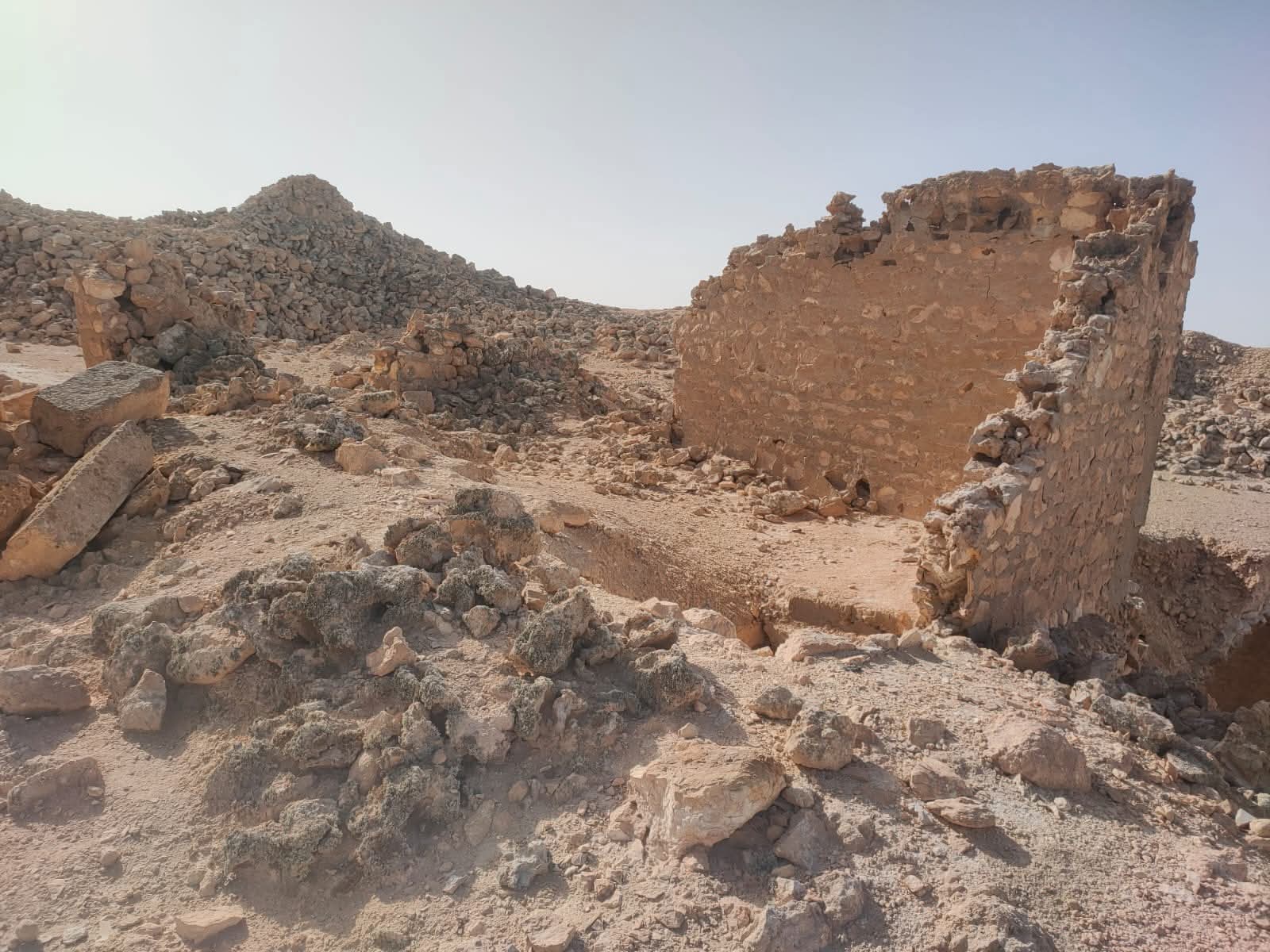 Major restoration projects, with developing the road leading to it and providing it with services in cooperation with the South Sinai Governorate, in preparation for placing it on the cultural tourism map in the governorate.
Al-Jundi Castle is one of the important military fortresses that was established during the reign of Saladin Al-Ayyubi during the period from 578 AH/1183 AD to 583 AH/1187 AD, as part of a defensive system to secure the strategic roads in Sinai, most notably the war and Hajj roads between Egypt and the Levant. The castle was registered as a monument under Resolution No. 336 of 1989. It is distinguished by its fortified location on top of a high hill, and by its prominent architectural elements, including reservoirs, mosques, and defensive fortifications.
Recent developments confirm the importance of continuing periodic technical follow-up of the site, and accelerating the implementation of the necessary maintenance and restoration work, to ensure the preservation and preservation of this historical monument for future generations.
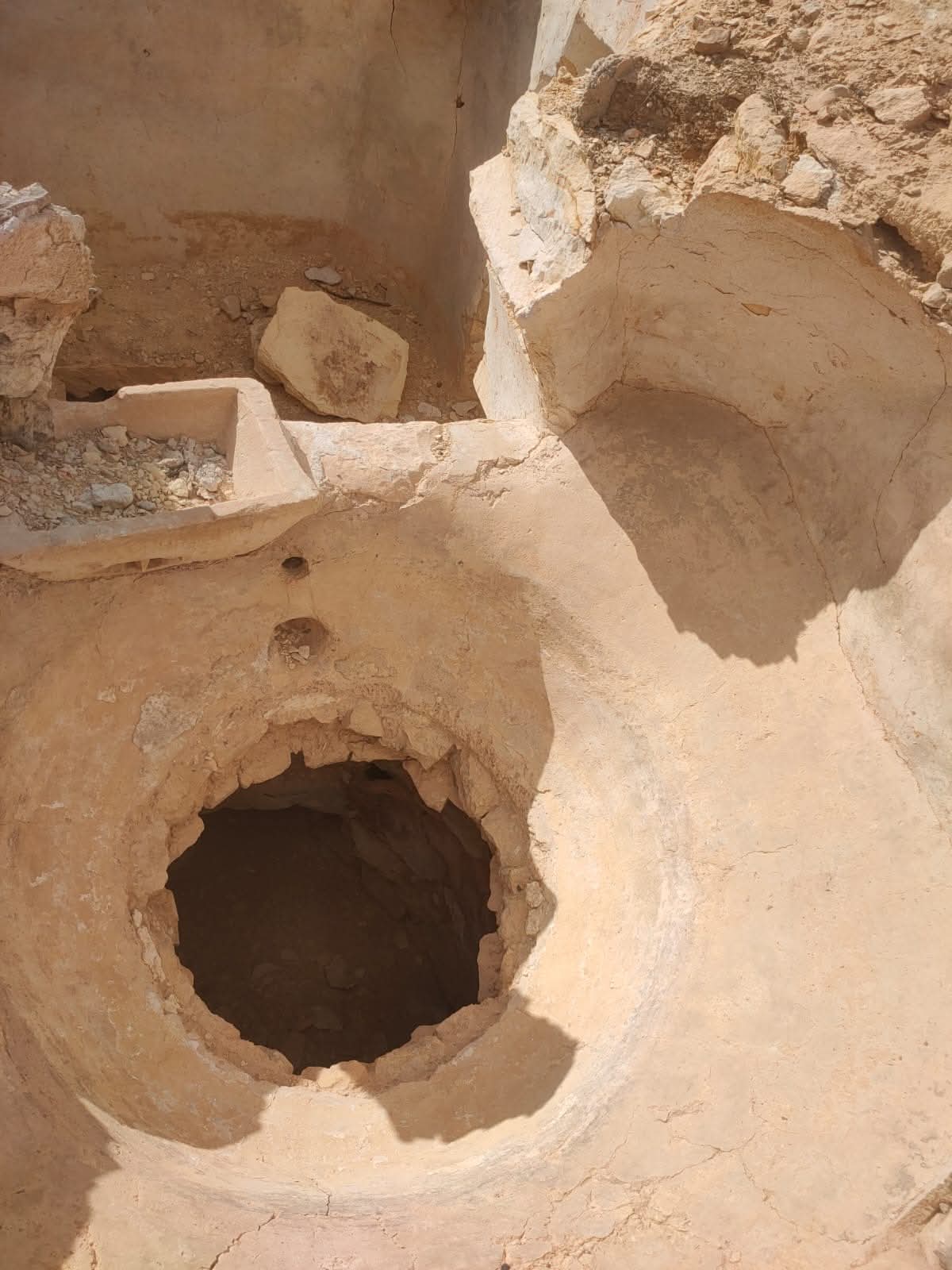
Dr. Abdel Rahim Rayhan, the well-known archaeological expert, revealed trespassing on the Soldier’s Castle in Sinai, which is located on the Hajj route, where secret excavations were carried out that led to the complete destruction of a steam bath that was discovered in the 2020-2021 excavation season by the South Sinai Area Antiquities Mission for Islamic and Coptic antiquities, and the complete destruction of its floor was evident, which indicates secret excavations carried out at the site.
Rayhan said that the attached photo shows the floor of the bathroom at the time of its discovery, which shows that it is an intact floor with six archaeological tiles in complete condition, as proven in the excavation report. This bathroom is the third remaining Ayyubid bathroom in Sinai, and another picture shows the floor of the bathroom after it was encroached upon by those around the area and secret excavations were carried out inside the castle in search of antiquities, which led to the destruction of the bathroom floor, which represents a major disaster. The bathroom consists of three rooms and a huge stone stove under the bathroom under the tiles that were removed. It was destroyed and contains overhead sinks, a distribution basin, and a bathtub.
The doctor confirmed that the reason for the deterioration of the archaeological situation in Sinai is due to the decision of the Secretary-General of the Supreme Council of Antiquities, Dr. Mustafa Waziri, in 2022, as a result of which 276 employees from Sinai were appointed “archaeologists, restoration specialists, surveyors and property specialists, administrators, security, and guards.” They are elements with a high degree of competence and experience working in Sinai, which led to a vacuum in qualified human resources in these areas.
Antiquities expert Dr. Abdel-Rahim Rayhan, member of the Supreme Council of Culture, History and Antiquities Committee, and head of the Campaign to Defend Egyptian Civilization, explained that the campaign has observed for days the neglect of the Oyoun Musa area due to the lack of archaeologists in the area, and the complaints of the people that it was a source of income for them to sell their products. However, neglect and closing the area will lead to filling the eyes with a cost of 3 million pounds in restoring it. This neglect is the result of a shortage in the number of antiquities inspectors, security personnel and guards, which has led to the Sinai being emptied of talent, at a time when The state calls for its reconstruction.
Rayhan noted that the citadel as a whole has become threatened with extinction after the Supreme Council of Antiquities was unable to implement a restoration project or complete the excavations despite the region’s multiple demands to do so, and cracks appeared in the south-eastern wall of the citadel (the side overlooking the road). 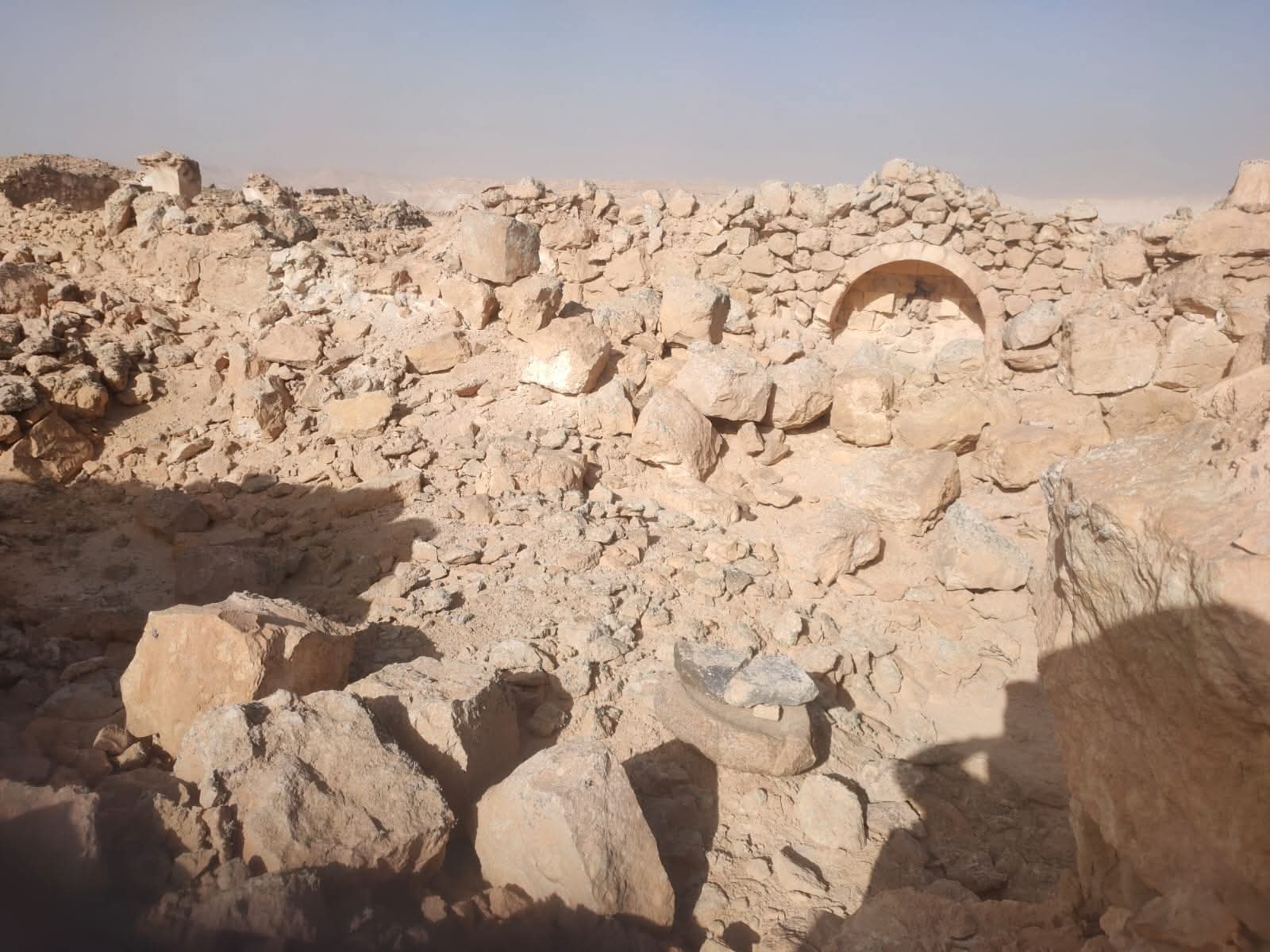
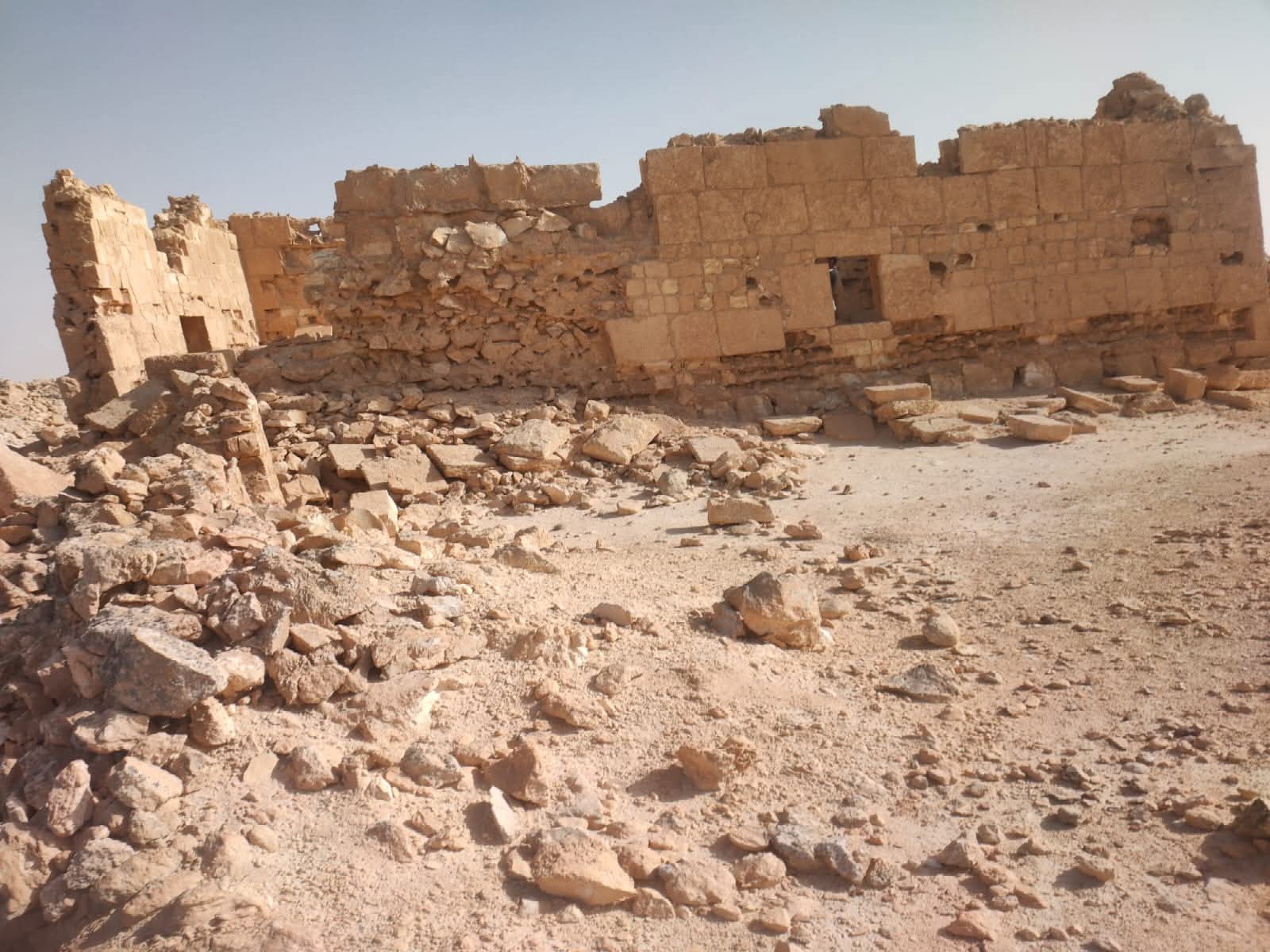
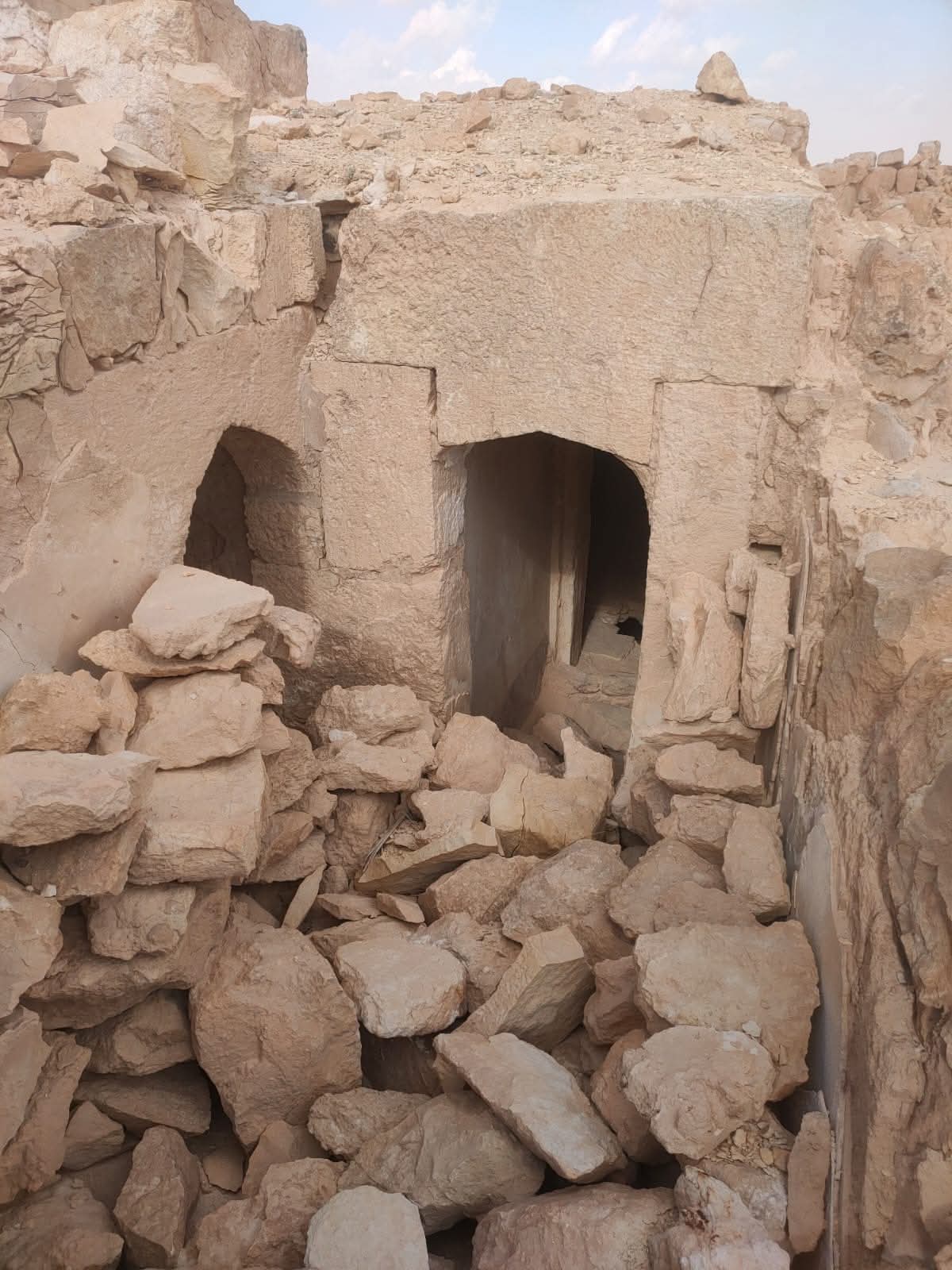
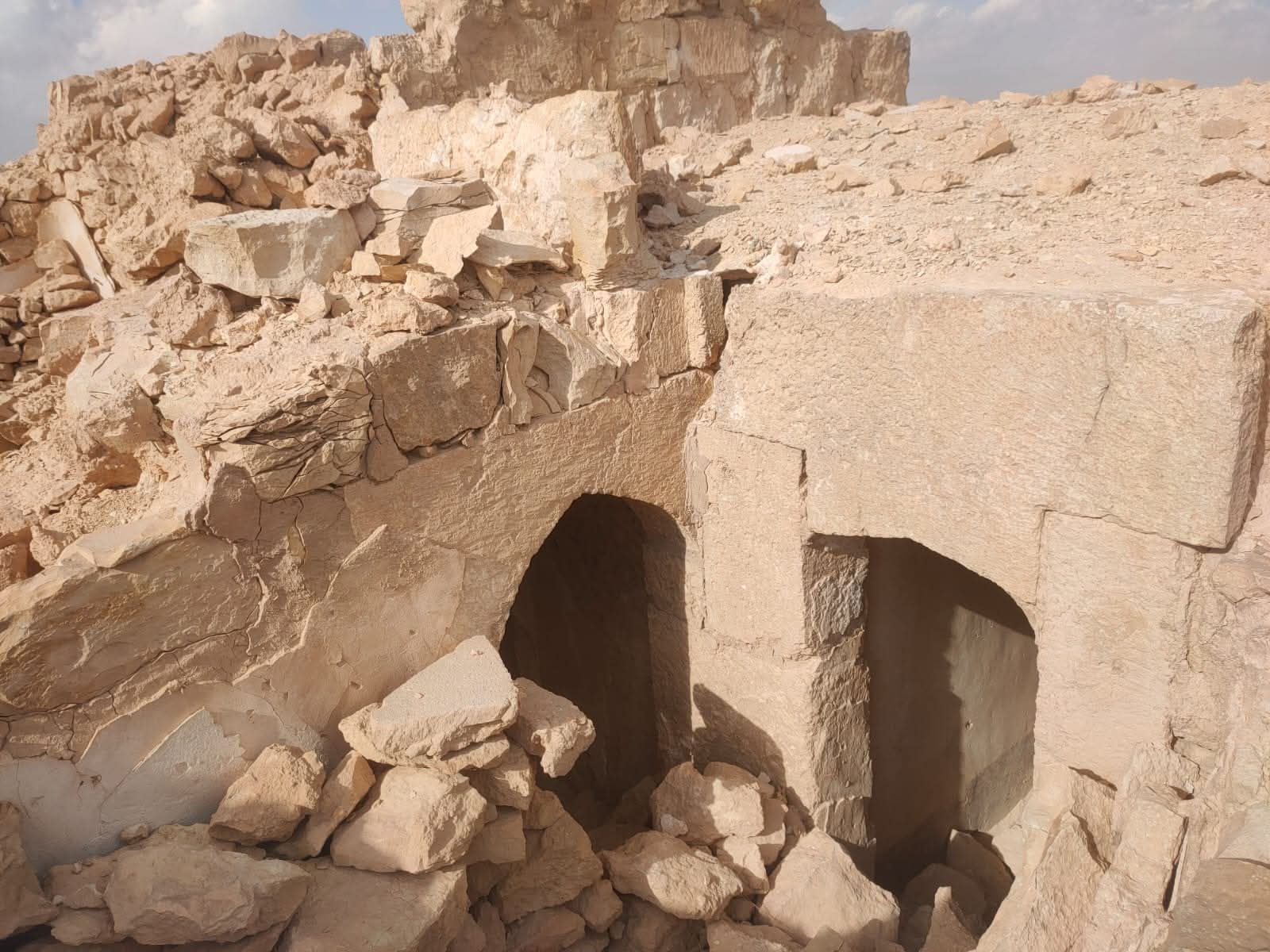
 These are cracks in the body of the wall that led to a clear separation in the stone courses and the mountainous ground that holds the wall, which threatens the entire wall with collapse.
The archaeological importance of the castle
Regarding the importance of the Soldier’s Castle, Rayhan pointed out that it is located on Saladin’s war road in Sinai, known as the Sadr and Ayla Road, which the armies crossed and were victorious in the Battle of Hattin and the recovery of the Al-Aqsa Mosque. It is the road that Saladin took through the Sinai to reach Jerusalem and established important castles on it, such as the Soldier’s Castle in Ras Sidr, which is built on a high hill resembling a soldier’s head, in addition to his famous castle on Pharaoh’s Island in Taba.
Hajj route
The Hajj route starts from Al-Qalzum (Suez) to Wadi Al-Raha until it reaches Al-Jundi Castle (100 km southeast of Suez), and descends to Wadi Al-Arish, then several valleys until Bir Al-Thamd (180 km southeast of Suez), and crosses several valleys and mountains to Wadi Tuwaiba, which leads to Pharaoh Island (260 km east of Suez), then continues east to Aqaba Junction.
The name of the castle in the Ottoman era
Dr. Rehan added that the castle was also called the Pasha’s Castle in the Ottoman era, due to the spread of the title of Pasha in the era of the Ottoman Empire and the family of Muhammad Ali, and perhaps the Ottomans resided there for a period of time and it was known by this name. The castle was registered as a monument by Resolution No. 336 of 1989 and was established by Saladin in the period from 578 AH / 1183 AD to 583 AH / 1187 AD according to the discovered founding text. In the castle.
All means of protection were available to it. It was built on a high hill 645 meters above sea level. It was very steep and difficult to climb and attack. It was surrounded by a moat whose width ranged from 5 to 6 metres. What increased its immunity was that it was built of daqshum stones, different from the construction of walls and towers. The castle was close to sources of potable water, and 5 km away from it was a spring of water called Ain Sadr, which the people of Sinai still use until now. It is close to a torrent, so the castle’s soldiers created a dam in a deep valley near the castle to retain the torrent water.
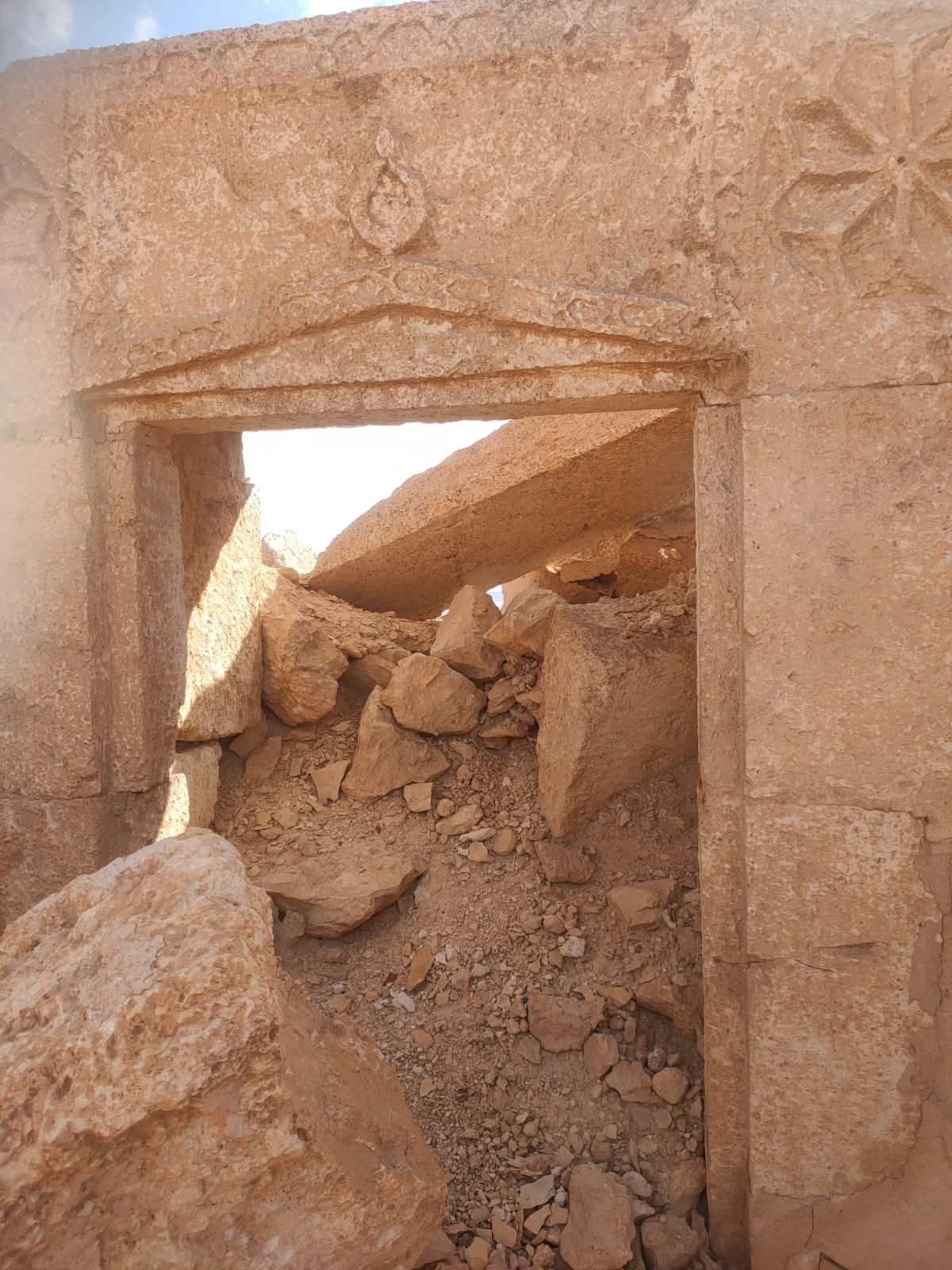
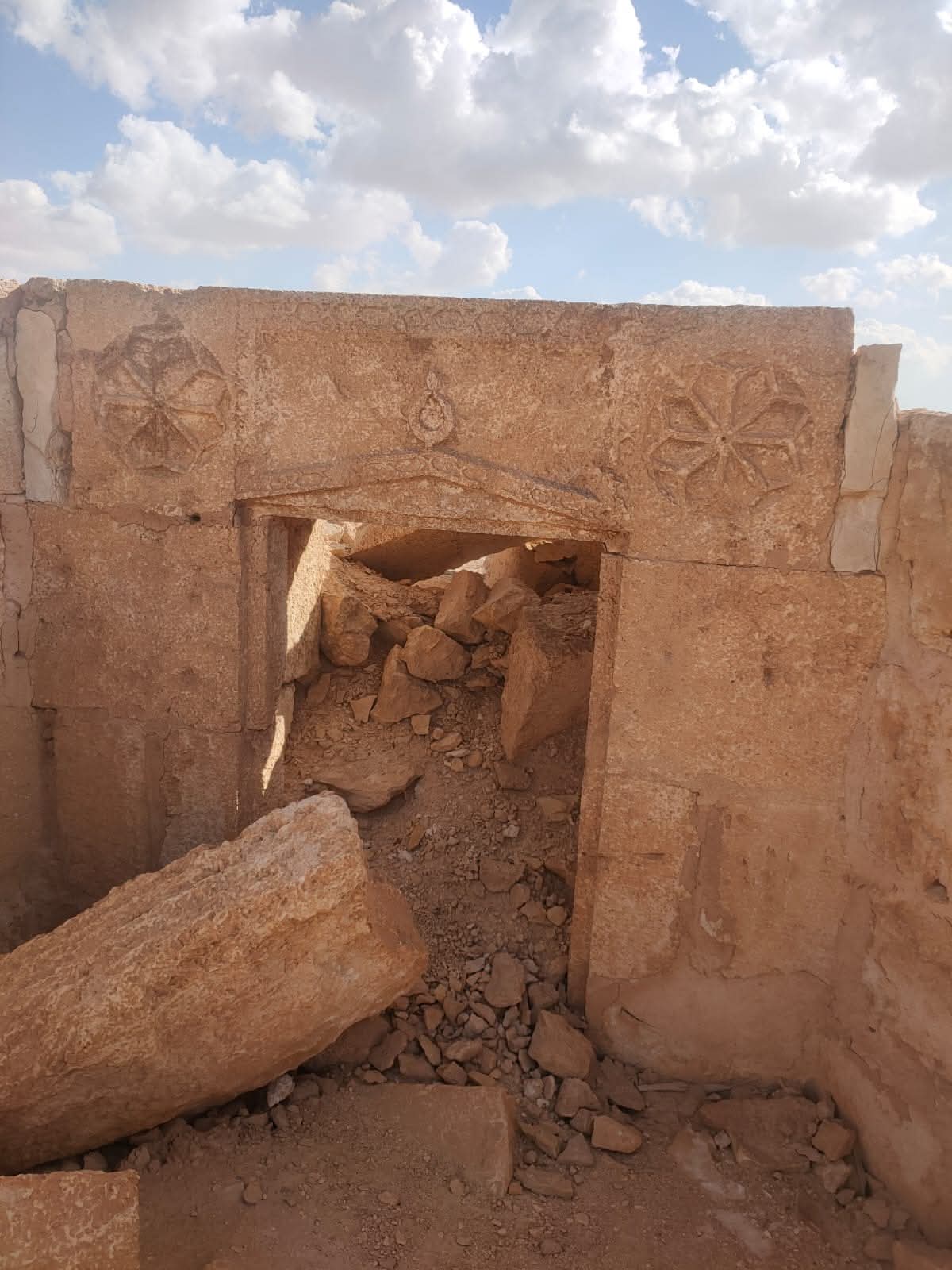
The castle was built from granite, limestone, and sandstone. It contains 3 water tanks, two mosques, and a prayer hall. The castle is distinguished by architectural elements that represent artistic creativity by making good use of the elements of the desert environment around the castle and making use of them in building materials from the same stones in the region and mortar from the shale resulting from floods. The main entrance to the castle is located on the northwestern side, and is a rectangular opening 1.85 meters wide in carved stone topped with a straight arch. It is made of stone castanets buttoned with the key of the necklace, a circle, and inside it is the word of God (Allah).
Above the straight arch was a necklace with its middle cymbal, a circle containing a six-pointed star, which is a famous Islamic decoration in most Islamic monuments. Above the necklace was the founding plaque of the citadel in prominent Ayyubid Naskh script, and on either side of it were two circular navels, one of which depicted a sword and the other a shield, of which only a small part remained. Saladin took them as the emblem of his state.
From this standpoint, the Defense of Civilization Campaign, headed by Dr. Abd al-Rahim Rayhan, calls on Professor Dr. Hisham al-Laithi, Secretary-General of the Supreme Council of Antiquities, to transfer the report of the Jundi Castle Inspection Committee to Legal Affairs.
As well as visiting the El Gendy Castle area to monitor its technical condition and Oyoun Musa to monitor its neglect since the last restoration