
Tuesday 07 April 2026 – 01:04 AM
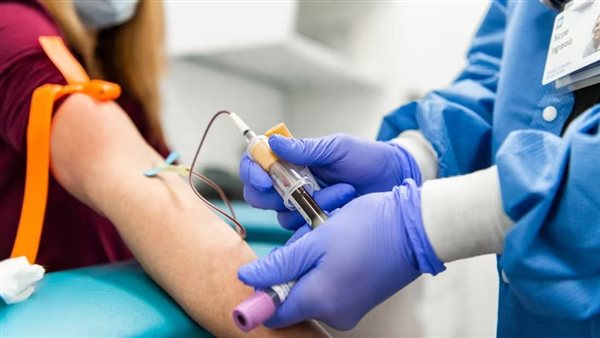
Researchers at the University of California, Los Angeles have developed a type of innovative blood test that relies on DNA methylation analysis for early detection of multiple types of cancer and liver disease. The accuracy of the test has exceeded 98% in some cases with a very low cost of less than $20 per sample, paving the way for comprehensive and affordable screening for diseases.

Bypass blood noise and reduce costs
According to Medical Specialized enzymes to remove unmethylated DNA fragments coming from blood cells, greatly reducing the amount of sequencing required, bringing the cost down to less than $20 if the price is less than $4 per GB to provide 5 GB of data with a sequencing depth of 300 times per sample.
Promising results in clinical trials
According to the same source, the researchers analyzed blood samples from 1,061 people to test the accuracy of the MethylScan technology, including patients suffering from liver, lung, ovarian and stomach cancers, individuals suffering from various liver diseases, and healthy participants. Machine learning algorithms were applied to analyze the data, and the test achieved a high level of overall accuracy for detecting multiple cancers, as the specificity reached 98%, and it was able to detect 63% of cancers in all stages, and about 55% of stage cancers. It has also shown good performance in monitoring liver cancer among high-risk individuals, detecting approximately 80% of special cases exceeding 90%.
Accurately determine the source and types of the disease
In addition to detecting cancer, methylation patterns have helped identify the organ from which the disease signal originates, which is crucial for guiding doctors towards the correct imaging or diagnostic procedures. The test acts as a health radar for the body, reading DNA signals to see if certain organs such as the liver or lungs are under stress or damage. The test also succeeded in distinguishing between different types of liver disease, and classified 85% of patients correctly, indicating that the blood-based DNA test may reduce the need for invasive liver biopsies, and researchers hope that after Their study published in the journal Proceedings of the National Academy of Sciences aims to conduct larger experiments to confirm these promising results.