

Thursday 25 December 2025 – 11:39 PM
The Egyptian government, represented by the Ministry of Electricity and Renewable Energy, is preparing to launch the first phase of the project Electrical connection Between Egypt and Saudi Arabia, scheduled to launch during the first week of January 2026.
Egypt and Saudi Arabia are preparing to operate the strategic electrical interconnection project to enhance energy security
The project includes the exchange of electrical capacity of up to 1,500 megawatts, with the second phase being operated during the following months to raise the mutual capacity between the two countries to 3,000 megawatts, which is scheduled to enter service in April 2026.
The electrical interconnection project is one of the most important strategic projects in the field of energy in the region, as it contributes to enhancing energy security and reliance on renewable energy sources, in addition to maximizing the use of the production capabilities of both countries.
The project is also expected to constitute a model for regional integration and pave the way towards a unified Arab electricity network linking the continents of Africa and Asia, thus enhancing stability and sustainable development in the region.
This project comes as a result of years of studies and coordination between the two sides, and aims to exchange electrical energy with a total capacity of up to 3,000 megawatts, allowing to benefit from the difference in peak times between the two countries and achieve greater stability in the two national grids.
Project details
The project is being implemented using high-voltage direct current (HVDC) via lines and cables extending over a distance of more than 1,350 kilometers, including submarine cables passing through the Gulf of Aqaba, in addition to overhead lines within Egyptian and Saudi territories.
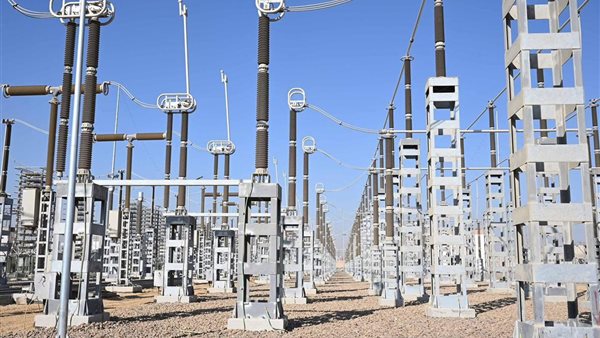
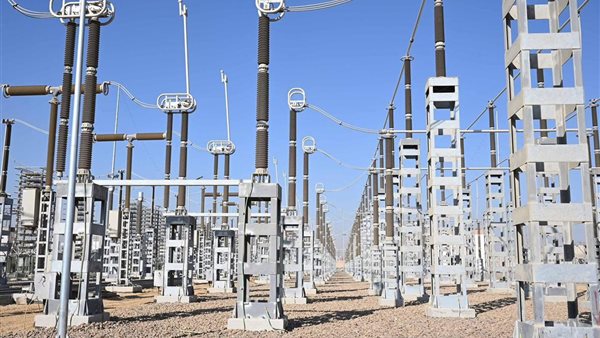
The project includes the construction of three main conversion stations:
Badr station in Egypt.
Tabuk station in northern Saudi Arabia.
Medina station in Saudi Arabia.
The total cost of the project is estimated at approximately 1.6 to 1.8 billion US dollars, with joint financing from both sides and a number of international institutions, in a step that represents a model of regional cooperation in the energy sector and strengthening electrical connectivity between countries.