

Friday 27/March/2026 – 09:14 AM
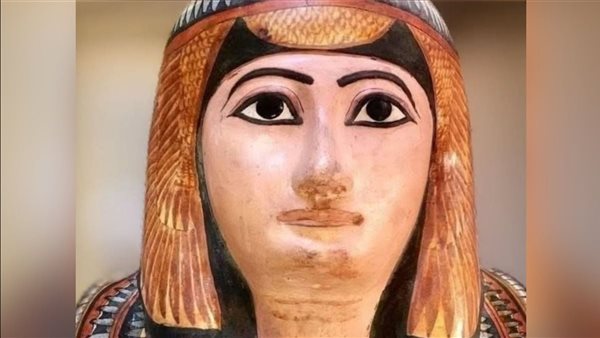
The Egyptian Museum in Tahrir highlights one of the most prominent artistic innovations in ancient Egyptian civilization, which is the “cartoonage,” which represented a unique combination between artistic beauty and ideological function in funerary rituals.
Cartoonage…an ancient Egyptian genius that combines art and belief and preserves the secrets of history
Cartonage is an advanced technique that relied on the formation of successive layers of linen or papyrus glued using plaster or resin, to form a solid cover that covers the mummy or coffin.
This technology appeared since the First Intermediate Period, and witnessed remarkable development throughout the various eras, all the way to the Ptolemaic and Roman eras.
The importance of the cartonage was not limited to being a means of protecting the body, but rather it was transformed into an integrated artistic painting, as it was decorated with colorful decorations and delicate engravings that embody the Egyptian gods and other life beliefs, in a clear expression of the ancient Egyptian belief in immortality.
Cartonage also has exceptional scientific value, as the ancient Egyptians used old papyrus papers and neglected documents in its manufacture, which contributed to the preservation of rare historical texts that revealed many aspects of daily and administrative life in ancient times.
Experts confirm that each cartoon piece displayed in the museum represents a comprehensive historical and artistic record, reflecting the genius of the ancient Egyptian and his ability to employ art in the service of faith, so that these pieces remain a witness to an immortal civilization over thousands of years.