
Thursday 19/March/2026 – 04:55 AM
With the countdown to the start of Eid al-Fitr, Mansoura University is entering the “full readiness” phase, in an attempt to contain any expected pressures on the health system, coinciding with the increase in the rates of accidents and emergency cases that accompany the days of Eid.
The moves this time are not taking place within their traditional framework, but rather rely on a proactive vision, in which Dr. Sherif Khater, the university’s president, directed the necessity of treating the vacation period as a “real test” of the efficiency of the medical system, and not just reduced working days.
The beginning was by activating the crisis and emergency rooms within all university hospitals, to operate continuously without stopping, with real-time monitoring of everything that happens within the departments, from the numbers of patients to critical cases, with the aim of making a timely decision without any delay.
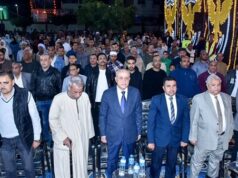
In this context, Dr. El-Shaarawy Kamal, Executive Director of University Hospitals, led an extensive meeting with medical leaders, to carefully review the work plan and distribute roles, ensuring rapid response to any emergency scenario.
The plan relied on operating all reception, emergency, intensive care and operating rooms departments at full capacity, without any reduction during the holiday, while emphasizing the readiness of medical equipment and infrastructure, to avoid any malfunctions that might hinder service provision.
Because the human element represents the main pillar, medical teams were redistributed according to flexible shift schedules, with an increase in the number of doctors on duty, and the preparation of backup teams capable of immediate intervention in the event of increased pressure, which reflects a shift towards more dynamic crisis management.
As part of the preparedness axes, emphasis was placed on the availability of medicines, medical supplies and blood bags in sufficient quantities, while raising the efficiency of the strategic stock and reviewing it periodically, to ensure that no sudden shortage occurs during peak demand.
The plan also included precise follow-up mechanisms, through the preparation of periodic reports to monitor performance within hospitals, and follow up on frequency and consumption rates, to ensure the maintenance and continuity of service quality.
On a broader level, it was emphasized that full coordination will continue with the Dakahlia Health Directorate and the Ministry of Health and Population, ensuring the speedy transfer of cases between different agencies, and achieving integration in providing medical services at the governorate level.
In conclusion, these preparations reflect a clear trend towards proactive crisis management, which treats the Eid as a real period of pressure that requires special preparedness, and not just a regular vacation, so that the most important message is: the health system is on full alert so that the Eid days pass safely, and with the highest level of medical care for citizens.