
Tuesday 07 April 2026 – 08:55 AM
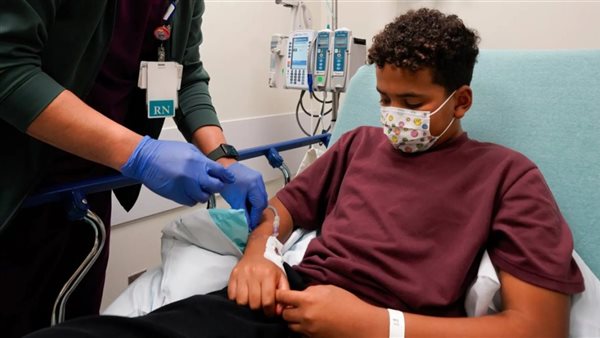
A recent medical study of diabetics revealed that using low doses of an inexpensive drug intended for organ transplants can preserve insulin-producing cells in children and young people newly diagnosed with type 1 diabetes, delaying the development of the disease and its serious complications while significantly reducing unpleasant side effects.

Preserving pancreatic cells with low doses
According to Live Science magazine, in type 1 diabetes, the immune system attacks the beta cells in the pancreas, which are responsible for producing insulin, but there is a period of time known as the honeymoon phase immediately following the diagnosis, during which these cells continue to produce some insulin, and the new study aims to exploit this phase to keep the cells alive for a longer period.
The study included 117 participants between the ages of 5 and 25 years, who were diagnosed with diabetes within 9 weeks of the start of the trial and received different doses of the antithymocyte globulin drug. The results published in the Lancet medical journal showed that the low dose of 0.5 milligrams per kilogram of body weight succeeded in maintaining beta cell functions for a full year.
Reduce side effects and noticeable effectiveness in children
According to Live Science, Dr. Chantal Mathieu, the lead researcher and endocrinologist at Leuven University Hospital in Belgium, explained that the drug worked wonderfully and its positive effect was greater in young children whose ages began at 5 years. The medium dose of 1.5 milligrams was excluded because its side effects were close to the high dose of 2.5 milligrams. The incidence of serum sickness, which is an immune reaction to foreign proteins, decreased from 82% in the high-dose group to only 32% in the high-dose group. Low rates, and cytokine release syndrome, which causes fever and nausea, decreased from 33 percent to only 24 percent.
A cheap alternative and hope for next generation treatments
Dr. Jennifer Sher, an endocrinologist and professor of pediatrics at Yale School of Medicine, also confirmed that the results are very encouraging, especially for families, given that this drug is cheap and widely available compared to other drugs that require continuous injections for 14 days. Future research is testing a version of the next generation of the drug called Sub-142, which is produced in genetically modified cows. Dr. Michael Haller, head of the Department of Pediatric Endocrinology at the University of Florida Diabetes Institute, explained that cows are genetically modified to produce human antibodies to reduce the chances of stimulating the immune system to react. Reversible, making the new drug safer and more effective in treating patients in the near future.