


Sunday 15 March 2026 – 09:24 PM
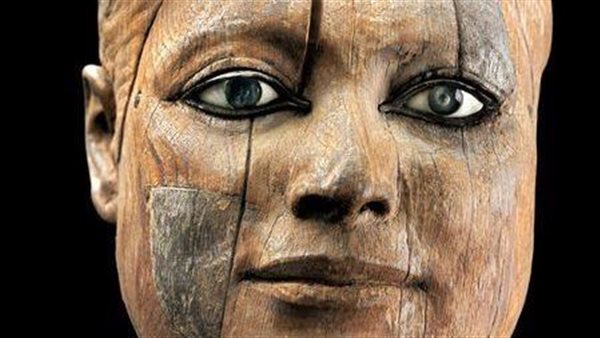
The Egyptian Museum in Tahrir highlighted the statue of the writer and chanting priest Kaabar, one of the most prominent masterpieces of ancient Egyptian art, which is considered one of the most famous wooden statues discovered in Egypt, and dates back to the era of the Old Kingdom, specifically the Fifth Dynasty, more than 4,500 years ago.
The Egyptian Museum in Tahrir features a statue of the writer and priest chanting Kaabar
The statue is displayed on the ground floor of the Egyptian Museum in Tahrir, where it attracts the attention of visitors with its unique realism and precise details that reflect the skill of the ancient Egyptian artist in wood carving.
The discovery of the statue dates back to the year 1860 in the Saqqara region, during excavations led by the French archaeologist Auguste Mariette. It was found inside the mastaba of Kaabar, one of the most senior officials in the Old Kingdom era.
The statue gained wide international fame under the name Sheikh Al-Balad, which is the title given to it by excavation workers immediately after its discovery, after they noticed the great similarity between its features and the features of the mayor of their village at the time. This popular name became associated with the statue in many international studies and events related to Egyptian antiquities.
The statue embodies its owner in the form of a stocky man standing in a moving position, with his left foot forward, while he was holding a cylindrical object in his right hand, and in his left a driving stick. This is a position that reflects vitality and energy, as if the character is about to move.
The statue is a prominent example of the genius of the ancient Egyptian artist in bending wood, as it was carved from sycamore wood with great care, at a time when good wood was rare and difficult to preserve compared to stones. The splendor of the statue is also evident in the eyes inlaid with an elaborate artistic technique, as they were made of white calcite stone and rock crystal for the iris, with a black dot to represent the human eye, and surrounded by a cast copper frame to mimic ancient Egyptian eyeliner, giving the statue a striking, vivid look that attracts attention. Visitors.
The Egyptian Museum in Tahrir confirms that the Kaabar statue represents a unique example of realistic art in ancient Egypt, and reflects the prestigious social status enjoyed by senior officials at the time, as the plump body symbolized wealth and luxury.
The Kaabar statue remains one of the most prominent treasures of the Egyptian Museum in Tahrir, and evidence of the ability of the ancient Egyptian artist to transform wood into an immortal work of art that has been able to survive for thousands of years, retaining its spirit and presence to this day in front of museum visitors from all over the world.