

In light of a stressful economic climate, Mother’s Day this year brought a different reality for Egyptian families. With the second day of Eid al-Fitr, the burdens doubled between the holiday gifts and celebration expenses. Here, the children find themselves facing a delicate equation: How can they make their mothers happy without the financial costs burdening them?
Material things make up the atmosphere of “Mother’s Day”
Despite this reality, celebrations did not retreat from being of a special nature. Rather, celebrations transformed to include touching words, sincere messages, and family gatherings that give this day additional warmth. However, the gift remains an essential element in expressing appreciation, although its type varies according to economic circumstances.
Amid this financial equation, the market for traditional gifts, such as gold, witnessed a noticeable decline, after the price of a gram of 21 carat gold rose to about 7,150 pounds. However, the celebration did not stop at the limits of the ordinary, as citizens began searching for more suitable alternatives in terms of price, such as ready-made clothes and small electrical appliances.
Electrical appliances are looking for a buyer
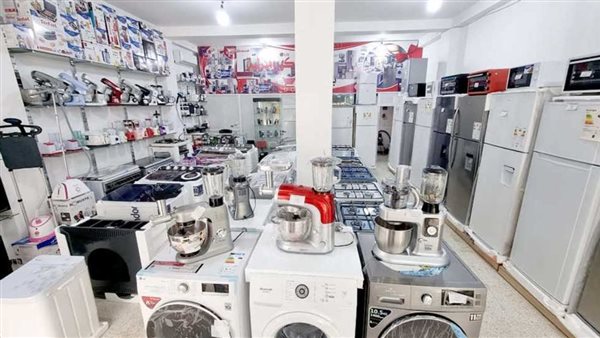
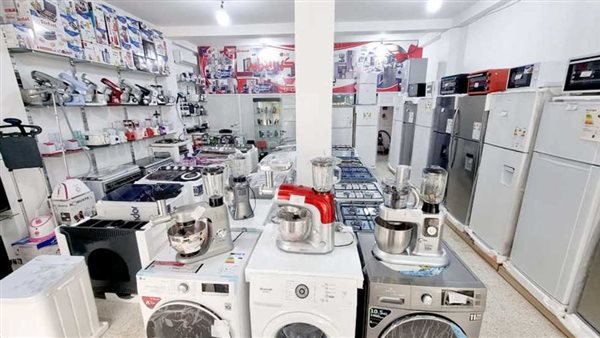
In this context, Engineer George Zakaria, Head of the Electrical Appliances Division at the Giza Chamber of Commerce, explained that the Eid al-Fitr and Mother’s Day seasons represent an important opportunity to stimulate sales, especially for small household appliances such as microwaves, blenders, and kitchen machines, on which companies have offered discounts ranging between 10 and 15%. Despite these offers, he pointed out that the demand for purchases this year is lower than usual, as a result of the increasing economic pressures on families, as sales declined by up to 25%.
Ready-to-wear clothing for viewing only
On the other hand, ready-to-wear has been the biggest beneficiary of this shift in priorities. According to Samah Heikal, a member of the board of directors of the ready-made clothing division in Cairo, the coincidence of Mother’s Day with the Eid al-Fitr season and the continuation of the winter sale contributed to increasing the demand for clothes as gifts. The rise in gold prices has prompted many people to choose clothing as an alternative that combines the appropriate price and diversity of tastes, especially with the relatively cold weather.
Heikal points out that Mother’s Day gifts are no longer limited to specific styles such as abayas and robes. Young mothers prefer modern clothes such as sweatshirts, jackets, and scarves, while the choice of gift remains closely related to the nature of the mother’s work and her personal taste, which reflects a clear shift in the culture of celebrating Mother’s Day within the Egyptian family.