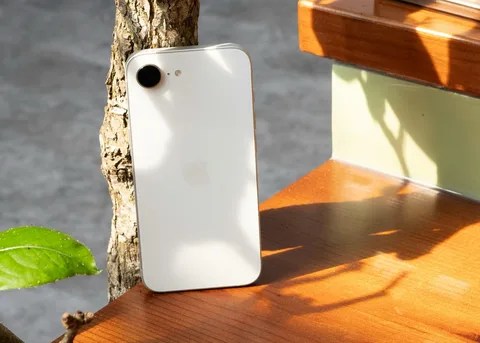
The new iPhone 17e from Apple suffers from a clear deficiency in many technical aspects in which even mid-range economic smartphones excel. These concessions are clearly evident in relying on an OLED screen with a refresh rate of only 60 Hz, along with a single 48-megapixel rear camera and a very small battery with a capacity of 4005 mAh, but it seems that Apple is finally planning to address the weakness of at least one of these fundamental defects in its future releases.
The latest reports revealed that the company does not intend to provide any radical improvements before the launch of the expected iPhone 19e. It is expected that this economic version will see the light in the spring of 2028, and will finally receive an advanced LTPO OLED display panel that supports a refresh rate of up to 120 Hz, thus ending the era of slow screens in the economic phone series and providing a smoother user experience in browsing and moving between applications.
Apple follows a well-known strategy that relies on reusing internal components from old models in its budget phone series to reduce production costs. This approach indicates a strong possibility of using the same display panel found in the current iPhone 17, which is a 6.3-inch OLED screen that provides a display resolution of 2622 by 1206 pixels, with a refresh rate of 120 Hz and an all-screen brightness of 1600 nits, in addition to a peak brightness of 3000 nits when playing HDR content.
This advanced panel is distinguished by its ability to adjust the frame rate in a variable and intelligent manner to suit the content displayed on the screen. This dynamic modification contributes to much lower power consumption compared to the LTPS OLED panel used in the current iPhone 17e, which means that the next version may achieve a qualitative leap in battery life, in addition to supporting the always-on screen feature that reduces the refresh rate to only 1 Hz to avoid significantly draining battery power when the device is idle.
The more expensive models are poised to get exclusive upgrades to differentiate them from the economy versions. Leaks indicate that devices such as the iPhone Air, which is currently available at a price of $815, will receive a huge upgrade using LTPO+ display panels by 2028, which is expected to provide higher energy efficiency and much stronger brightness levels to meet the aspirations of users looking for maximum performance and clarity.