
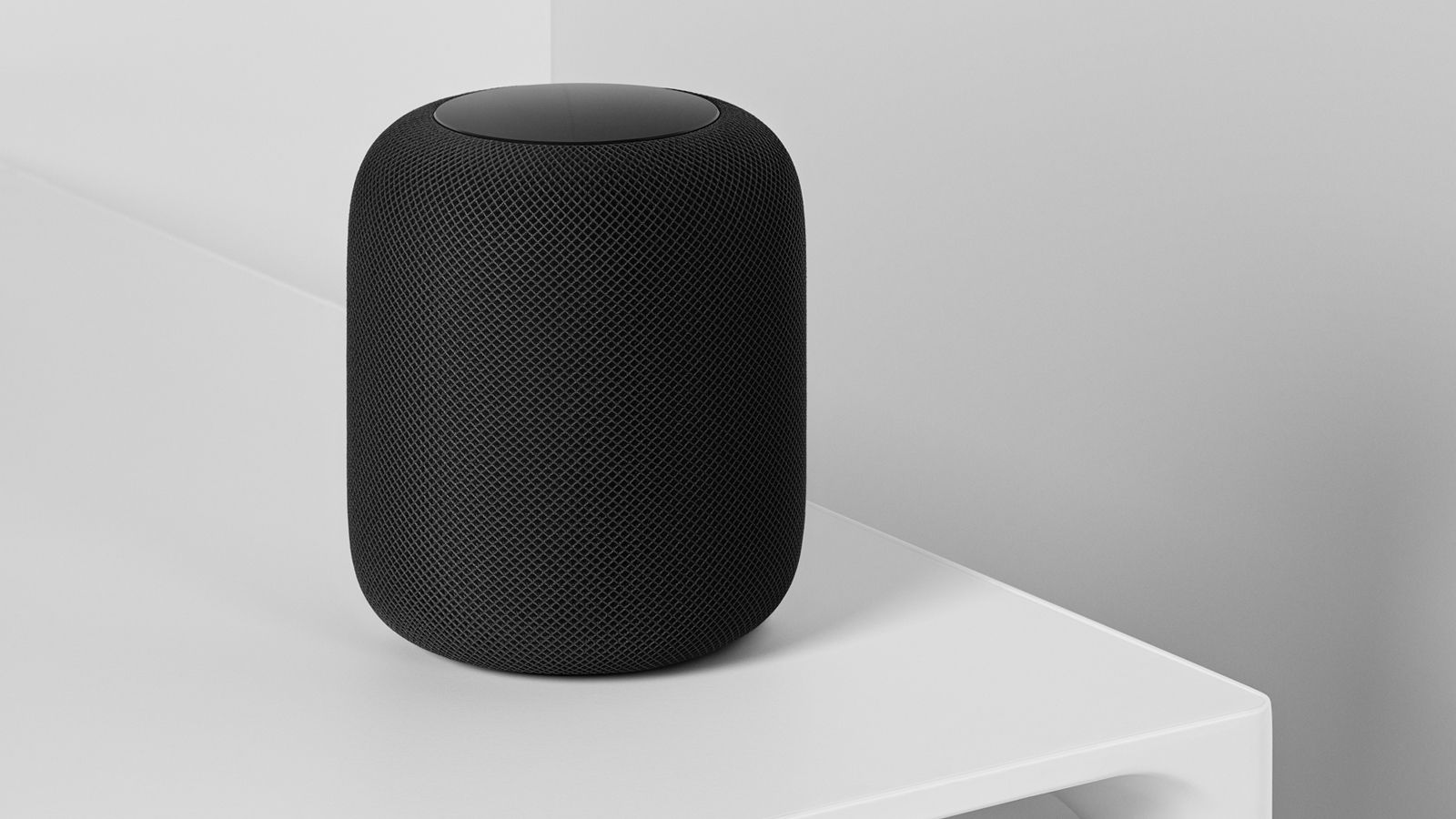
Recent press reports revealed interesting details about the behind-the-scenes development of smart home devices within the corridors of Apple. Reports indicated that senior management seriously considered providing the HomePod with a built-in camera and additional sensors many years before starting work on the upcoming HomePad. This information sheds light on the early strategies that Apple adopted before launching its products on the market.
These precise and important details appeared in a comprehensive profile that sheds light on the career of John Ternos, head of hardware engineering at Apple. The sources confirmed that plans to develop the first version of the HomePod device, which was officially announced in 2017, included adding a camera and an advanced set of smart sensors, but Ternos believed at the time that these additional capabilities would lead to significantly higher development costs, so he ultimately decided to cancel these features completely.

The roots of this strategic hesitation go back to the beginnings of the formation of the smart home appliance market about a decade ago. That period witnessed the launch of the first leading products in this field by major competing companies such as Amazon and Google, where Ternos showed clear reluctance and refusal to invest heavily and deeply in developing smart home devices at that time, preferring to focus on other technology sectors that were more profitable and secure for the company.
Senior management later realized the repercussions of this strategic decision, which directly affected the brand’s position in this vital sector. Ternos courageously bears part of the responsibility for Apple’s decline and its apparent lag in the smart home devices category compared to its competitors, who succeeded in controlling a large area of the market and expanding their user base by offering various products that meet users’ needs at competitive prices and advanced technologies.
Ternos is currently leading intensive efforts to re-establish Apple’s position in the smart home market by preparing to launch three new and innovative products. This expected lineup includes a smart center supported by artificial intelligence technologies and a facial recognition feature bearing the symbol J490 and known in the media as HomePad, along with a small sensor for home security management bearing the symbol J450, and an automated device bearing the symbol J595. Expectations indicate that the smart center will be officially launched during the fall of 2026.